Why Is Food Processing Equipment Important?

Food processing equipment is easy to overlook until a line stops, a batch varies, or cleaning takes longer than planned. Yet the right machinery shapes how food is handled, heated, cooled, mixed, filled, and packed. It can support consistent quality, reduce avoidable product loss, and help teams manage demanding production schedules. It does not guarantee good results on its own. That matters.

Food engineering scholar Dr. R. Paul Singh has written extensively about engineering principles in food production. A fair paraphrase of his perspective is: “Good food processing depends on controlling each step, not merely running faster.” This is a paraphrase, not a verbatim quotation. It points to the practical value of equipment designed around the product and process. A jacketed kettle, for example, needs even heating and usable temperature controls. A conveyor must move delicate pieces without crushing them. Details count.

The importance of food processing equipment becomes clearest in everyday decisions: choosing a mixer for a thick sauce, selecting a filler that limits spills, or specifying a surface that workers can clean thoroughly. Equipment choices also affect maintenance, energy use, staff workload, and the ability to scale production. Bigger is not always better. A machine that fits the output target but is awkward to inspect may create new problems. And specifications alone can miss what happens during a real shift. This article’s outline explores how equipment supports safety, consistency, efficiency, and growth—and why careful selection matters as much as the machinery itself.
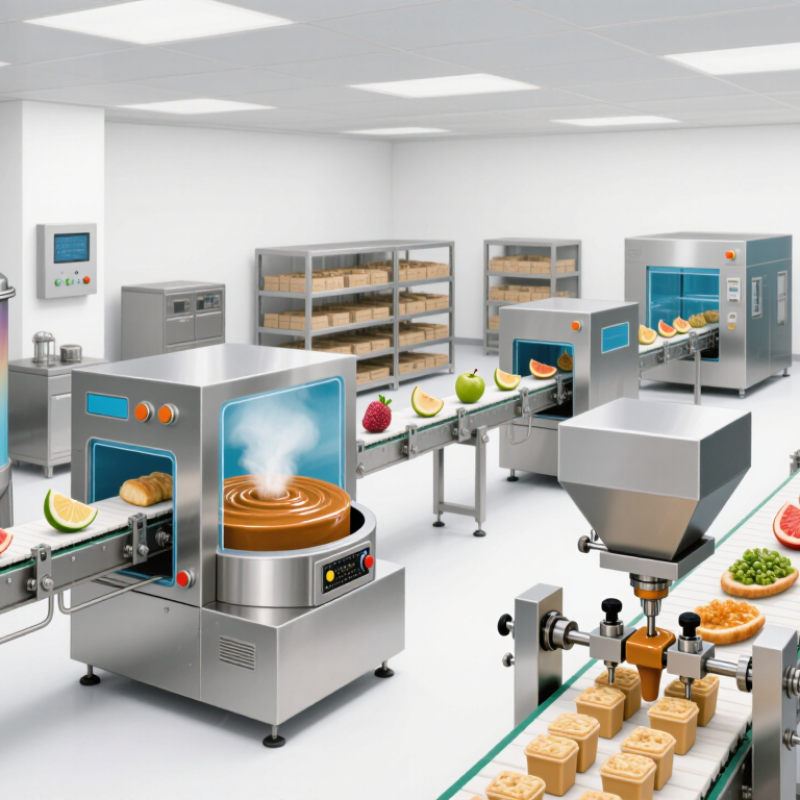
Why Is Food Processing Equipment Important?

What Food Processing Equipment Includes

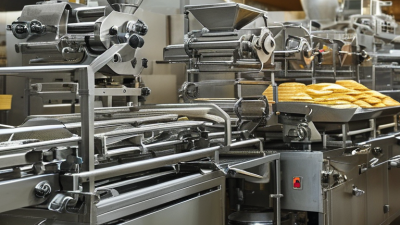
Food processing equipment covers the machines that move food from raw intake to sealed product. At receiving, scales, conveyors, and inspection systems check incoming materials. Washers and peelers remove soil or outer layers; cutters, mills, and slicers shape ingredients for the next step. Mixing tanks and blenders combine recipes, while separators remove solids or moisture. The boundary is not always neat. A pump may transfer a liquid, but it can also help control the process.

Heat-treatment systems, such as ovens, pasteurizers, and cookers, manage temperature and time. Chillers and freezers then help protect product quality. Filling machines, sealers, and labelers prepare food for distribution, supported by sensors and cleaning systems. FAO reported that 13.2% of food was lost between post-harvest and retail in 2021, in its 2023 report on progress toward food-related Sustainable Development Goals. That figure does not mean machinery alone can prevent losses; handling, maintenance, and operator decisions matter too. In practice, a poorly cleaned valve or a misaligned slicer can disrupt an entire line. The equipment list varies by product, and real production layouts are rarely as tidy as diagrams.
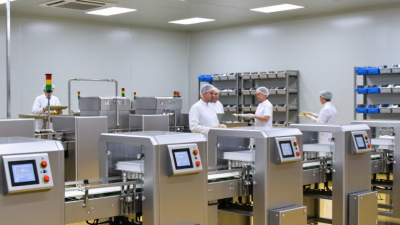
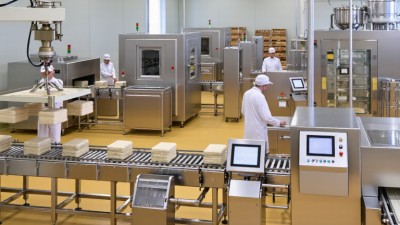
How Equipment Supports Each Stage of Food Production

Food processing equipment supports each stage, from receiving raw ingredients to preparing them for sale. Conveyors and inspection tables help staff spot damaged produce or foreign material before it moves further. Washers, peelers, and cutters can then clean and size ingredients more consistently. Mixing tanks and portioning machines help maintain repeatable recipes and serving weights. Small details matter. A poorly placed drain or hard-to-clean seam can complicate sanitation between batches.

During cooking, equipment such as kettles, ovens, or pasteurization systems helps control time and temperature. Sensors and calibrated controls provide useful measurements, but staff still need to verify them. Cooling equipment reduces the time food spends at warm temperatures, while filling and sealing machines protect products from contamination. Labels and lot records also support tracking if a process needs review. A line can look efficient on paper yet create bottlenecks when containers arrive too quickly.

Tips: Match equipment capacity to the slowest production step, not just the largest machine. Check seals, temperature readings, and cleaning records routinely. Keep records. No setup is perfect; operators should note recurring jams or uneven results and adjust procedures before small issues affect an entire batch.

How Processing Equipment Helps Maintain Food Safety and Quality

Food-processing equipment helps control the conditions that protect food safety and quality. A well-designed wash system can remove soil from product-contact surfaces, while accessible parts make inspection and cleaning easier. For example, a conveyor with smooth joints has fewer narrow gaps where residue can collect. Temperature sensors and timed controls also help keep heating or cooling steps consistent. Small deviations matter. They can affect both microbial risk and texture. Equipment must suit the food being handled, since a delicate berry and a dense dough need different contact and movement.

Machines alone cannot guarantee safe food. Operators still need clear cleaning procedures, training, and routine checks. Equipment is not magic. A worn seal, blocked drain, or inaccurate sensor can undermine an otherwise careful process. In practice, one detail is easy to overlook: a gasket may hold residue even when nearby steel looks clean. Regular inspection and maintenance help catch these problems early. Records of temperatures, cleaning, and repairs can reveal recurring faults, not just prove that a task was completed. Quality also depends on gentle handling; excessive pressure or uneven mixing may bruise produce or create inconsistent batches. A quick visual check can help, but it should not replace measurements or proper sanitation.

How Automation Improves Efficiency and Production Capacity

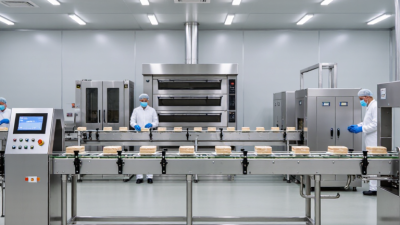
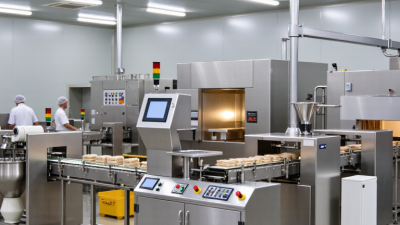
Automated food-processing lines can turn a stop-start shift into a steadier flow. Optical sorters remove damaged produce, while checkweighers flag underfilled packs before sealing. Sensors can also track temperatures and machine speed, helping operators spot small problems before they disrupt an entire batch. The gains are practical: less rework, more consistent portions, and greater output from the same floor space. Small adjustments matter.

McKinsey Global Institute’s 2017 report, A Future That Works, estimated automation could add 0.8 to 1.4 percentage points to annual global productivity growth. That estimate covers many industries, not food plants alone, but it shows why manufacturers invest in repeatable tasks. Deloitte’s 2024 Smart Manufacturing Survey found 86% of surveyed manufacturers expected smart factory solutions to be a major competitiveness driver within five years. In food production, connected equipment can help teams respond faster when a filler slows or a line’s temperature drifts. Yet automation needs thoughtful setup. A sensor may be poorly placed, or a recipe change may require manual checks. People still matter. Skilled operators interpret alerts, clean equipment, and catch issues the software misses. Automation can raise capacity, but only when maintenance, training, and process design keep pace.

Why Food Processing Equipment Matters

How automation can improve efficiency and production capacity

Illustrative scenario, not measured industry data: output is indexed to 100 for a manual baseline. The automated-line value demonstrates a possible increase; actual results depend on equipment, product, staffing, and operating conditions. Automated processing equipment can support consistent operations, reduce repetitive handling, and help increase throughput.

How Equipment Enables Consistent Food Supply at Scale

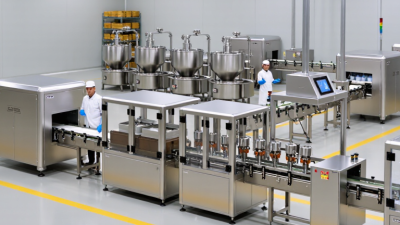
Food processing equipment turns uneven harvests into predictable products. A washer removes field soil; a calibrated slicer keeps pieces close in size; a hygienic conveyor moves them without repeated handling. These small controls matter when factories must fill thousands of packages each shift. FAO’s 2023 report, The State of Food and Agriculture, estimated that 13.2% of food was lost between harvest and retail in 2021. Better sorting, chilling, and packaging equipment can help limit losses, though equipment alone cannot fix weak planning or poor storage.

Consistency also supports food safety. Temperature sensors can flag a cooling delay, while automated filling helps keep portions within set limits. The CDC estimates that foodborne illness causes 48 million illnesses in the United States each year. Well-designed processing lines support cleaning and monitoring, but only when workers maintain them and follow documented checks. The human part remains.

A fast line is not automatically a reliable one. Worn seals, rushed cleaning, or poorly calibrated sensors can undermine an entire shift. Smaller producers may also struggle to justify costly upgrades, even when older machines create more downtime. That trade-off is easy to miss. Equipment choices need to match the product, production volume, and staff’s ability to operate and maintain each machine.

Why Is Food Processing Equipment Important? - How Equipment Enables Consistent Food Supply at Scale

Processing Stage Typical Equipment What It Does How It Supports a Consistent Supply Useful Operating Checks
Washing and preparation Produce washers, flumes, peelers, and preparation conveyors Removes soil and foreign material and moves ingredients through preparation steps. Processes incoming ingredients at a steady rate and helps make preparation procedures repeatable across production runs. Water quality, wash-water condition, conveyor speed, equipment cleanliness, and material flow.
Sorting and inspection Grading belts, screens, optical sorters, and metal detectors Separates products by characteristics such as size or color and identifies specified foreign materials. Reduces variation in the product entering later stages and supports consistent product specifications. Sorting settings, inspection-system checks, reject rates, and records of detected or rejected items.
Size reduction and mixing Cutters, grinders, mills, mixers, and blenders Prepares ingredients to a defined size or combines them into a uniform mixture. Helps maintain repeatable ingredient distribution, texture, and batch composition when equipment settings and recipes are controlled. Cut size, mixing time, batch weight, ingredient sequence, and recipe records.
Thermal processing Cookers, blanchers, ovens, pasteurizers, and retorts Applies controlled heat for cooking, quality changes, or food-safety purposes appropriate to the product and process. Enables repeatable processing when time, temperature, product flow, and the validated process are monitored and controlled. Time and temperature records, sensor calibration, product flow, and process deviations.
Filling and portioning Volumetric, gravimetric, or piston fillers; portioning machines Measures and dispenses product into containers or portions. Increases filling throughput and helps maintain consistent pack quantities across a production run. Fill-weight or fill-volume checks, scale calibration, line speed, and rejected-pack counts.
Packaging and sealing Form-fill-seal machines, lidding equipment, sealers, and case packers Encloses products, seals packages, and prepares units for storage and distribution. Automates repetitive packing tasks and helps protect products when packaging materials and seals meet the product’s requirements. Seal integrity, packaging-material supply, coding accuracy, and package inspection results.
Cooling and cold storage Chillers, cooling tunnels, refrigerated rooms, and temperature-monitoring systems Removes heat and maintains product under specified chilled or frozen storage conditions. Supports planned production and distribution by helping preserve product quality and, where required, maintain the cold chain. Product and storage temperatures, cooling time, alarm records, and temperature-control equipment status.
Cleaning and sanitation Clean-in-place systems, wash stations, and sanitation equipment Cleans food-contact equipment and production areas according to established procedures. Helps make equipment ready for subsequent runs and reduces the risk of residue or contamination affecting later products. Cleaning-cycle records, chemical concentration where applicable, rinse checks, and pre-operation inspection results.
Production monitoring Sensors, control panels, data loggers, and line-monitoring systems Measures process conditions and records production information. Allows operators to identify departures from defined settings, coordinate line stages, and trace production records. Sensor calibration, alarms, downtime, throughput, and batch or lot identification.