2026 Top Food Production Equipment for Global Buyers?
The 2026 market for food production equipment is being shaped by tighter margins, labor shortages, traceability demands, and changing consumer diets. Global buyers are no longer choosing machines by capacity alone. They are examining sanitation design, energy use, digital monitoring, spare-parts access, and supplier support.
Recent industry reports show why this decision matters. MarketsandMarkets estimates that the food processing equipment market could grow from approximately USD 55 billion in 2023 to more than USD 70 billion by 2028. Its analysis highlights automation, processing efficiency, and food safety as major growth drivers. The PMMI 2024 Global Trends in Food and Beverage Packaging report also identifies flexible production, sustainability, and smarter packaging lines as important investment themes. Meanwhile, FAO publications continue to emphasize resilient food systems, reduced waste, and efficient processing capacity.
The practical question is simple.
Which equipment performs reliably in real factories?
Martin Wiedmann, a food-safety expert at Cornell University, has stated, “Food safety is a shared responsibility.” That principle should guide every purchasing decision, from stainless-steel conveyors to thermal processors and automated inspection systems. A machine may look efficient in a showroom, yet cleaning access can prove difficult during a night shift. Software integration may sound impressive, but poor operator training can limit its value.
This 2026 guide compares leading food production equipment for global buyers. It considers performance, hygiene, lifecycle cost, automation, maintenance, and supplier credibility. No ranking fits every plant. That is worth remembering. A smaller processor may need flexibility, while a high-volume producer may prioritize uptime and standardized spare parts.
Food Production Equipment: Definition, Scope, and Core Functions
Food Production Equipment: Definition, Scope, and Core Functions
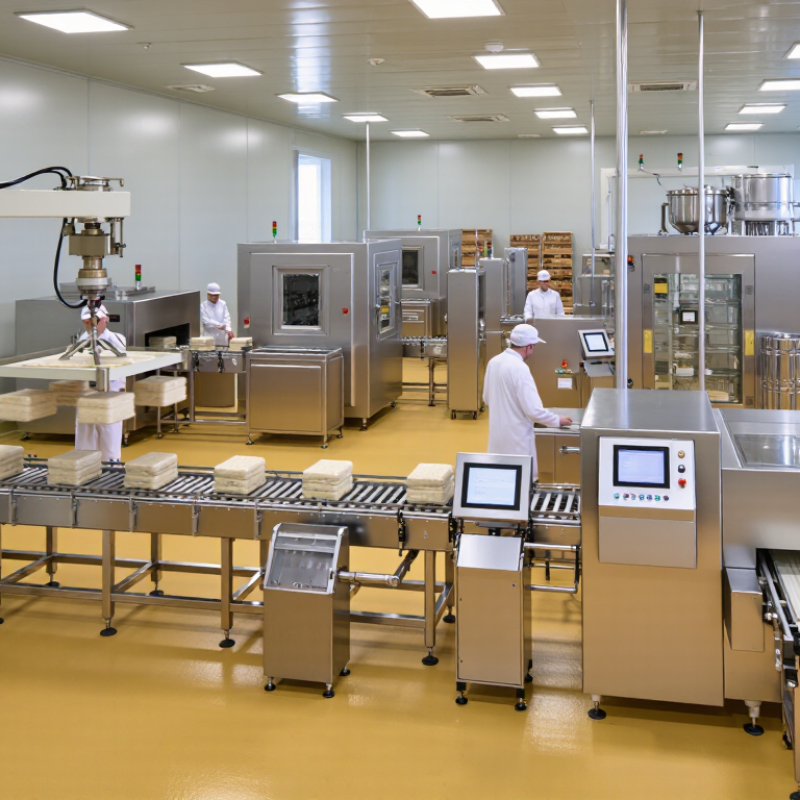
Food production equipment includes machines and tools that transform approved ingredients into safe, consistent foods. It covers receiving, washing, cutting, mixing, cooking, filling, cooling, packing, and cleaning. The scope reaches small preparation rooms and high-output industrial facilities. It also includes conveyors, pumps, sensors, control panels, storage units, and sanitation systems.
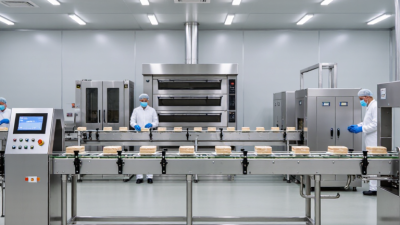
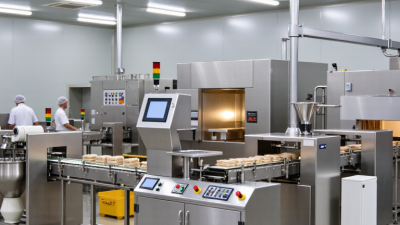
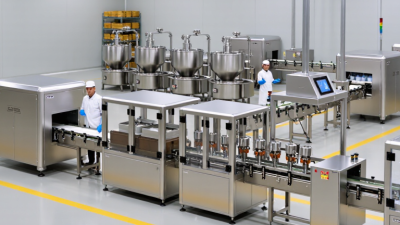
A practical line may begin with a stainless steel receiving table. Ingredients then move through a washer, slicer, mixer, heat vessel, and portioning machine. Temperature probes help verify cooking conditions. Metal detection and weight checks support quality control. Sealed packaging limits exposure after processing. Cleaning systems remove residues from pipes, tanks, and contact surfaces. Equipment should support traceability, operator safety, energy control, and repeatable production, not only speed.
Capacity figures can mislead. A machine rated for ten tons may perform poorly with sticky dough or irregular vegetables. Product texture, moisture, room temperature, utilities, and cleaning time all affect output. Buyers should request trials, hygienic design details, spare-part access, training, and documented testing. Local electrical standards and food-contact requirements matter. I have seen efficient lines lose hours because a small pump was difficult to inspect. That detail is easy to miss. It should not be.
Main Equipment Categories Across Modern Food Processing
2026 Top Food Production Equipment for Global Buyers
Modern food processing lines depend on several equipment categories, each handling a specific production risk. Preparation equipment includes washers, peelers, cutters, mixers, and sorting systems. These machines reduce manual variation and improve raw material consistency. For meat, seafood, and plant-based products, grinders, slicers, and forming machines require precise temperature control. Poor control can affect texture, yield, and food safety.
Thermal processing equipment includes steam cookers, ovens, blanchers, fryers, and pasteurization systems. Buyers should compare heating accuracy, recovery time, energy use, and cleaning access. Cooling tunnels and chilling tanks help protect product quality after heating. In my experience reviewing processing layouts, small drainage problems can create large sanitation delays. Hygienic design matters more than impressive output claims.
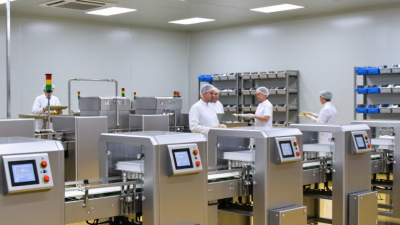
Packaging equipment covers filling, sealing, labeling, vacuum packing, and modified-atmosphere systems. Metal detection, checkweighers, vision inspection, and traceability tools support reliable quality control. Automation can reduce labor pressure, but it also demands trained operators and dependable maintenance. A fast machine is not always the best investment. Spare parts availability, regional electrical standards, water quality, and factory space deserve equal attention. Some purchasing plans still overlook operator comfort. That mistake can become expensive.
How Global Buyers Evaluate Performance, Safety, and Compliance
2026 Top Food Production Equipment for Global Buyers?
Global buyers now judge food production equipment beyond speed and price. They examine output stability, cleaning time, energy use, operator safety, and documented compliance. The FAO’s State of Food and Agriculture 2019 estimated that 14% of food is lost between harvest and retail. Equipment that reduces rejects and temperature variation can protect both margins and supply.
Performance evidence should be practical. Ask for test results using your actual product, moisture level, packaging format, and production speed. Check changeover minutes, compressed-air demand, noise levels, and recovery after stoppages. Short trials help. A polished factory demonstration may not reflect dusty floors or rushed shifts. I have learned that impressive OEE figures can hide difficult maintenance routines.
Safety and compliance require equal attention. The WHO estimates that contaminated food causes 600 million illnesses and 420,000 deaths each year. Buyers should request HACCP-based risk assessments, hygienic design details, electrical test records, guarding verification, and traceable material certificates. ISO 22000 alignment can support food-safety management, but certification alone is not proof of daily control. Validate the equipment against local electrical, labor, labeling, and sanitation requirements before purchase. No checklist is perfect. Ask operators what fails at 3 a.m.
Purchasing, Installation, Maintenance, and Future Upgrade Considerations
In 2026, global buyers should assess food production equipment beyond its purchase price. A reliable machine must match product type, capacity, floor space, utilities, and local food safety requirements. Ask suppliers for test results, electrical specifications, material certificates, and spare parts lists. Request a video demonstration or factory acceptance test before shipment. This step often reveals cleaning gaps and awkward access points.
Installation needs careful planning. Confirm power, water, drainage, ventilation, foundation strength, and operator safety zones before delivery. A detailed layout prevents expensive changes later. Local technicians can support commissioning, but remote guidance may not solve every practical problem. We learned this the hard way when a small height difference disrupted product transfer. Maintenance should include daily sanitation checks, weekly inspections, and scheduled replacement of wear parts. Record operating hours, faults, and repair times in a simple digital log.
Tips: Choose equipment with modular controls, accessible panels, and clear maintenance instructions. Keep critical spare parts locally when possible. Train operators with real product samples, not only manuals. Leave space for future sensors, automation, or capacity expansion. However, avoid buying unused features. They increase cost and may complicate repairs. A future upgrade plan should consider software compatibility, cybersecurity, energy consumption, and changing market demand. Perfect planning is unlikely. Review the system after six months.