What Is Food Production Line Equipment?

Food production line equipment forms the working backbone of modern food manufacturing. It moves ingredients through controlled stages, from preparation and mixing to filling, sealing, labeling, and inspection. Each machine has a defined role, but the entire line must work as one system. A poorly adjusted conveyor can delay packaging, create product waste, or increase contamination risks.

In practice, equipment may include industrial mixers, cutters, pumps, ovens, cooling tunnels, metal detectors, and automated packing machines. Stainless steel surfaces support effective cleaning and resist corrosion in demanding production areas. Sensors can monitor temperature, speed, weight, and pressure during continuous operation. Operators still matter. Their observations often reveal unusual vibration, inconsistent filling, or residue that automated controls miss.

Small details matter. Reliable lines require suitable equipment selection, documented maintenance, hygienic design, and trained personnel. Manufacturers should evaluate product characteristics, production volume, available space, cleaning procedures, and energy use before purchasing machinery. Food safety expectations also vary by region, so responsible businesses should follow applicable regulations and recognized industry guidance.

However, no production line is perfect. A sophisticated system may still experience downtime, calibration errors, or difficult-to-clean corners. That limitation deserves honest attention. Regular inspections, validation records, and corrective actions help reduce these weaknesses. This guide explains what food production line equipment includes, how the main components operate, and which practical factors influence safety, efficiency, and long-term value.
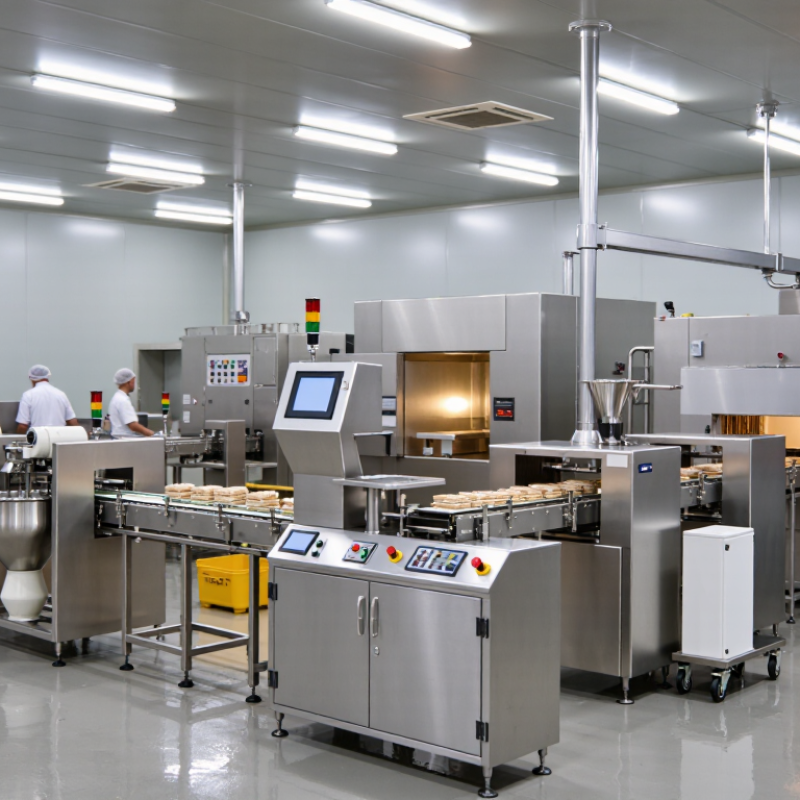
What Is Food Production Line Equipment?

Definition and Purpose of Food Production Line Equipment

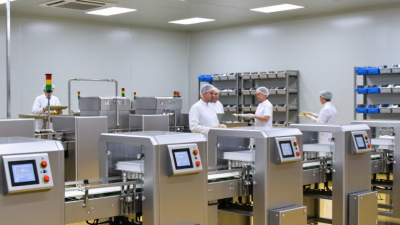
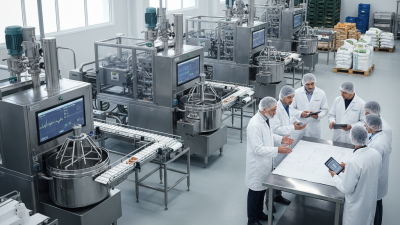
Food production line equipment is the connected machinery used to transform ingredients into safe, consistent, and saleable food. It may include conveyors, mixers, cutters, filling systems, heat-treatment units, metal detectors, and cleaning equipment. Each machine performs a defined task, while sensors and controls coordinate timing, temperature, weight, and hygiene.

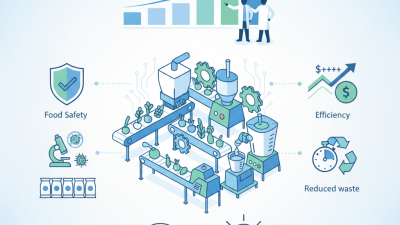
Its purpose is broader than speed. A well-designed line reduces manual handling, limits contamination risks, and maintains consistent portion sizes. The Food and Agriculture Organization reports that about 13.2% of food is lost between harvest and wholesale worldwide. Appropriate processing equipment can help reduce avoidable losses through accurate dosing, controlled storage, and quicker handling. However, equipment alone cannot solve poor planning or weak sanitation practices.

Professional evaluations should consider product texture, moisture, cleaning access, energy use, and changeover time. PMMI industry research continues to identify labor availability and automation as important concerns for food manufacturers. In a real facility, a small design gap matters. A conveyor that is difficult to wash may delay production and create hidden hygiene risks. A faster filler may also increase spills when ingredients behave unpredictably. These details deserve practical testing, not assumptions. Operators should record downtime, waste, cleaning duration, and product defects before approving major equipment changes. Data can expose uncomfortable problems. That is often where better decisions begin.
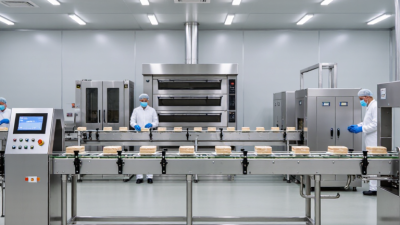
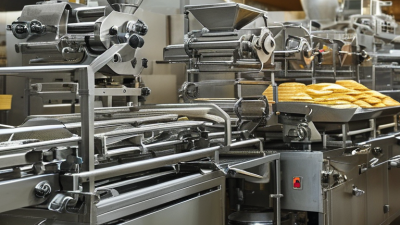
Food production line equipment performs controlled operations such as receiving, heating, cooling, and storage. The chart shows common reference temperatures used by equipment in different food-processing applications. Actual settings vary according to the product, process validation, and applicable food-safety requirements.

Main Types of Equipment Used in Food Production Lines

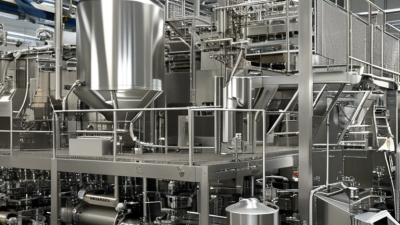
Food production line equipment refers to connected machines that turn ingredients into safe, consistent products. A typical line may include conveyors, feeders, pumps, and control systems. These units move materials between stages while reducing manual handling and contamination risks. The right layout depends on product texture, production volume, cleaning needs, and available floor space.

Small details matter. A narrow transfer point can create delays, spills, or difficult cleaning.

Ingredient preparation equipment often includes washing units, peeling machines, cutters, grinders, mixers, and dosing systems. For liquids, tanks, filters, homogenizers, and heat exchangers help control consistency.

Thermal processing equipment, such as ovens, cookers, blanchers, and pasteurization systems, manages temperature and time. Operators should verify these settings with calibrated instruments, not rely on appearance alone.

That judgment can fail. Overheating may damage texture, while insufficient heating can threaten product safety.

Filling and packaging equipment portions products, seals containers, applies labels, and checks weights. Metal detection, vision inspection, and checkweighing systems can identify defects before shipment.

Sanitation equipment is equally important, including foam stations, clean-in-place circuits, drains, and hygienic hoses.

From a practical standpoint, maintenance access should be planned before installation. A beautiful line is still weak if technicians cannot reach valves or replace belts quickly.

Energy use, noise, water consumption, and spare-part availability also deserve review.

No line is perfect. Regular inspection and honest process records help teams improve performance over time.

How Food Production Line Equipment Works

Food production line equipment connects several machines into one controlled workflow. Each machine performs a specific task, such as mixing, cooking, filling, sealing, or labeling. Raw ingredients may enter through a hopper or dosing system. Conveyors then move products between processing stations at a steady speed. Sensors monitor weight, temperature, position, and product flow. This helps operators detect problems before they affect an entire batch.

In practice, the line works through coordinated timing. A mixer prepares the product, while a pump transfers it to the filling station. The filler measures each portion, and the sealing unit closes every container. Inspection equipment checks appearance, weight, and package integrity. Operators still matter. They clean contact surfaces, adjust settings, and record production data. No line is perfect. Sticky ingredients, uneven moisture, or temperature changes can require repeated adjustments. A small timing error may create leaks, spills, or inconsistent portions.

Tips: Match equipment capacity across the entire line. One fast machine cannot fix a slow station. Keep sensors clean and test them regularly. Review temperature and weight records during production, not only afterward. Leave enough space for safe cleaning and maintenance. Practical experience shows that simple layouts are often easier to inspect and repair. Always verify settings against the product specification before starting a batch.

Key Factors in Selecting Food Production Equipment

What Is Food Production Line Equipment?

Key Factors in Selecting Food Production Equipment

Food production line equipment covers systems for washing, cutting, mixing, cooking, filling, sealing, and inspection. Selecting it requires more than matching output speed. Start with the product. A delicate berry needs gentle handling, while dough requires controlled pressure and temperature. The wrong conveyor can create bruising, spills, or hidden contamination points. UNEP’s Food Waste Index Report 2024 estimates that 1.05 billion tonnes of food were wasted in 2022. Better equipment cannot solve every waste problem, but poor equipment can increase it.

Sanitation must guide the design. Smooth surfaces, accessible joints, and tool-free cleaning reduce downtime and cleaning errors. The FDA Food Code 2022 provides practical benchmarks for cleanable equipment and contamination control. Verify drainage, washdown compatibility, and allergen changeover procedures before purchase. Do not trust a brochure alone. Ask for test results using your actual ingredients. Viscosity changes, especially.

Capacity also needs careful measurement. Nominal speed may ignore loading delays, rejects, maintenance, and product changeovers. A line rated at 120 packs per minute may deliver far less during a real shift. PMMI industry reports continue to identify labor availability and automation as major packaging priorities. However, automation is not automatically economical. Calculate labor savings, energy use, spare parts, training, and expected uptime. FAO’s 2023 food loss reporting estimated global losses of about 13.2% between harvest and retail in 2021. A pilot run can still miss seasonal variation. Operators should challenge the calculations before approving the equipment.

Maintenance, Safety, and Hygiene Requirements

What Is Food Production Line Equipment?

Food production line equipment includes conveyors, mixers, fillers, cutters, sensors, and sealing machines. These systems move ingredients through controlled processing stages.

Maintenance, safety, and hygiene determine whether the line performs reliably.

Daily cleaning should remove food residue from belts, joints, guards, and hard-to-reach corners. Operators need clear sanitation procedures, suitable cleaning chemicals, and verified rinsing steps.

Never ignore small cracks. They can collect moisture and support microbial growth.

Equipment should be isolated before cleaning or maintenance begins. Guards, emergency stops, and electrical panels require routine inspection. A loose cover can create a serious hazard. Lockout procedures must be practical, visible, and understood by every worker. Training should include demonstrations, not only signed attendance sheets.

Scheduled maintenance helps prevent worn bearings, damaged seals, loose fasteners, and inaccurate temperature readings.

Maintenance records should identify the fault, action taken, date, and responsible person. This supports traceability and demonstrates responsible control.

Food-contact surfaces should resist corrosion and remain easy to inspect. Design matters.

However, even well-designed equipment can fail when cleaning time is reduced. That is an uncomfortable lesson.

Supervisors should verify hygiene with visual checks, swab testing, and documented corrective actions.

Staff should report unusual noise, vibration, leaks, or product buildup immediately. Small warnings are easier to manage.

Reliable production depends on disciplined routines, honest reporting, and regular review against current food safety requirements.