Top Food Production Line Equipment Manufacturers

Choosing among the top food production line equipment manufacturers is not just a purchasing exercise. It is a decision about how reliably a product moves from raw ingredient to sealed package. A line may include mixers, conveyors, fillers, ovens, cooling tunnels, and inspection systems. Each handoff matters. A poorly matched filler can slow an otherwise efficient line, while awkward access points can make cleaning harder than expected.

Food production line equipment should suit the product, the facility, and the team operating it. Buyers can compare hygienic design, changeover time, parts availability, controls, and documented testing. Ask manufacturers how equipment handles sticky sauces, fragile pieces, or frequent recipe changes. Request references from plants with similar products and production volumes. A polished brochure is useful. A running line is better evidence.

Food engineering expert Dr. R. Paul Singh has written extensively about food process engineering and the importance of sound process design. A fair paraphrase of that practical principle is: “Good equipment makes quality repeatable.” This is a paraphrase, not a verbatim quotation. It captures a useful test: can the system deliver consistent results across shifts, not just during a factory demonstration? Look closely at cleaning access, operator controls, and what happens when a sensor stops the belt. These details are easy to overlook. They matter.

This guide introduces manufacturers and the capabilities buyers should examine, from custom line integration to individual processing machines. No supplier is right for every plant. Compare evidence, ask precise questions, and leave room to reconsider assumptions. A small detail can change the whole line.
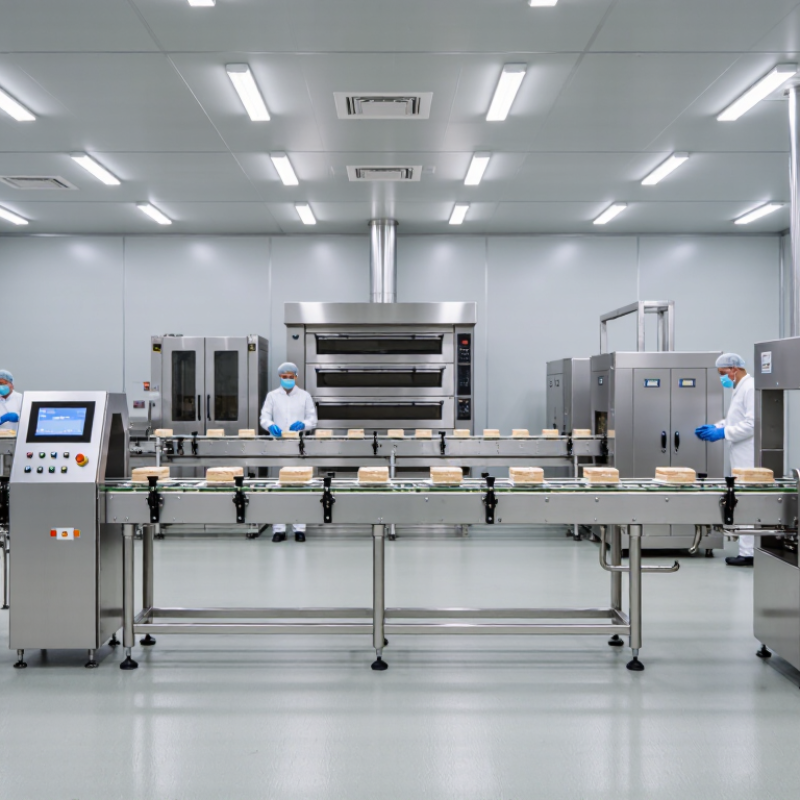
Top Food Production Line Equipment Manufacturers

What Food Production Line Equipment Manufacturers Do

Food production line equipment manufacturers do more than build machines. They turn a product and its process into a coordinated line for mixing, forming, cooking, cooling, or packaging. That work starts with practical questions: What is the product’s texture? How quickly must it move? Which surfaces need frequent cleaning? A small change in dough moisture, for example, can affect how reliably a forming machine feeds.

Manufacturers may design or integrate conveyors, fillers, ovens, weighers, and inspection equipment. They also help match machine capacity, controls, and changeover needs to the facility. A careful supplier asks about floor space, utilities, staff routines, and cleaning access before proposing a layout. Installation and operator training matter, too. Even a well-designed line can lose time if sensors are difficult to reach or settings are poorly documented. Real production conditions can be messy, and assumptions sometimes need revisiting.

Tips

Bring sample ingredients and packaging to equipment discussions. Ask to see how the line handles a product change, a routine washdown, and a minor stoppage. Check whether operators can reach adjustment points without awkward stretching. Record actual output during trials; advertised capacity may not match every recipe or shift.
Main Types of Equipment Used in Food Production Lines

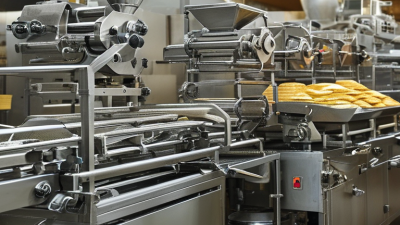
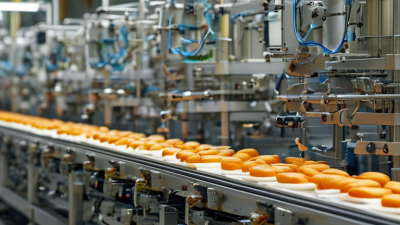
Food production lines rely on several equipment groups, each handling a different stage. Receiving hoppers and conveyors move ingredients from delivery areas to processing stations. Washers remove soil from produce, while sorting belts let workers or optical systems identify damaged pieces. Cutters, slicers, and mixers then prepare ingredients to a consistent size or blend. Small details matter. A clogged screen or poorly adjusted blade can affect product quality and slow the entire line.

Heat-treatment equipment includes ovens, blanchers, pasteurization systems, and cooking kettles. The right choice depends on the food, recipe, and required temperature profile. For example, a tunnel oven may suit continuous baking, while a jacketed kettle supports controlled batch cooking. Cooling tunnels or chillers help bring processed foods to suitable temperatures before further handling. Temperature sensors provide useful records, but staff still need to check calibration and actual product conditions.

Filling machines, sealers, and labeling equipment prepare products for storage and transport. Weighing systems can reduce portion variation, and metal detection or X-ray inspection may help identify certain physical contaminants. Not every line needs the same setup. Product texture, package shape, cleaning access, and expected output all influence equipment selection. A layout that looks efficient on paper may create awkward cleaning corners. That can be easy to overlook.

How Manufacturers Design and Integrate Production Systems

A production system is designed around the food, not just a list of machines. Manufacturers consider texture, temperature, package size, and the rate each process must handle. A line for sticky dough, for example, may need wider transfer points and carefully chosen belt materials. Designers map how products move from mixing and forming to cooking, cooling, and packing. That detail matters. They also plan room for cleaning, inspection, and safe operator access. Equipment capacity must match across stages, or one fast machine can leave another waiting. No single machine defines the line.

Integration connects equipment, controls, utilities, and people into a workable system. Conveyors need suitable speeds and transfer heights; sensors and control logic help coordinate starts, stops, and product flow. During commissioning, teams test actual products, not only empty runs. Operators can reveal issues that drawings miss, such as awkward reach points or slow changeovers. Small gaps matter. A practical design also allows access to motors, guards, and removable parts without disrupting the whole room. Yet even a polished layout can overlook real production habits. Reviewing bottlenecks after launch, and adjusting settings or procedures, is part of making a system dependable.

Top Food Production Line Equipment Manufacturers - How Manufacturers Design and Integrate Production Systems

Production Stage Typical Equipment Key Design Considerations Integration Requirements Hygiene and Safety Considerations
Raw Material Receiving Receiving hoppers, weigh systems, inspection conveyors, and unloading equipment Product form, delivery method, peak arrival rate, and the need to separate accepted material from rejected loads Coordinate receiving capacity with storage and upstream scheduling; connect weighing and inspection records to production tracking Use cleanable product-contact surfaces and procedures that limit contamination during unloading and transfer
Preparation and Cleaning Washers, peelers, graders, cutters, and sorting conveyors Match handling method to product fragility, size range, throughput, and required preparation steps Align conveyor speeds and discharge heights to reduce accumulation, damage, and manual handling between machines Provide drainage, access for cleaning, and suitable guarding around moving and cutting components
Mixing and Formulation Batch mixers, blending vessels, ingredient feeders, and weighing systems Recipe accuracy, batch size, mixing uniformity, ingredient addition sequence, and product characteristics Link weighing and recipe controls with batch records; ensure feeders and mixers can operate within the planned cycle time Design vessels and discharge points to minimize residue buildup and support validated cleaning procedures
Thermal Processing Ovens, cookers, fryers, pasteurizers, and heat exchangers Required time and temperature profile, product dimensions, loading pattern, and consistent heat transfer Coordinate feed rate, residence time, and downstream cooling or packaging capacity; provide monitoring and control of critical process conditions Apply appropriate process controls and safeguards; protect operators from hot surfaces, steam, and hot product
Cooling or Freezing Cooling tunnels, blast chillers, spiral freezers, and refrigeration systems Product temperature targets, required residence time, airflow, loading density, and production rate Balance equipment capacity with the thermal process upstream and packaging demand downstream; coordinate refrigeration and conveyor controls Manage condensation and drainage, and establish cleaning practices suitable for cold and wet operating areas
Filling and Packaging Fillers, depositors, baggers, tray sealers, labelers, and case packers Package format, fill accuracy, sealing method, product handling needs, and changeover frequency Synchronize product flow with packaging-material supply, inspection devices, coding, and case handling Keep product-contact zones accessible for cleaning and protect operators at sealing, cutting, and conveying points
Inspection and Quality Control Checkweighers, metal detectors, X-ray inspection systems, and vision inspection equipment Product and package characteristics, inspection location, rejection method, and verification requirements Integrate reject devices with line controls and ensure rejected units are identified and removed without disrupting production Document routine performance checks and maintain clear procedures for handling rejected product
Utilities and Line Controls Electrical panels, programmable controllers, sensors, compressed-air systems, and process piping Equipment load, environmental conditions, required utilities, control architecture, and future expansion needs Use compatible signals and operating logic across machines; define line stops, alarms, interlocks, and data exchange during system design Provide electrical protection, accessible emergency stops, and safe isolation points for maintenance and cleaning

Leading Manufacturers and Their Areas of Specialization

Food production line equipment manufacturers often specialize by product type and processing stage. Some design systems for washing, peeling, slicing, and blanching vegetables. Others focus on mixing, forming, baking, cooling, or packaging. A specialist understands how texture, moisture, and temperature change during production. Delicate berries need gentle transfer belts; dense dough needs consistent mixing and controlled proofing. Details matter.

A manufacturer’s expertise may also lie in integration or service. One may build complete lines, while another excels at a machine that fits existing equipment. Ask for documented throughput under comparable conditions, cleaning procedures, changeover times, and spare-part lead times. Review food-contact surfaces, safety guards, controls, and inspection access. A demonstration helps, but it may not reflect your ingredients, operators, or utility limits. Treat projected output as a starting point, not a promise.

Tips: Match specialization to your actual product, not a broad catalog. Request a trial with your ingredients and target package. Check washdown needs and maintenance access; a tight layout can look efficient until a part needs replacing.

Top Food Production Line Equipment Manufacturers — Leading Manufacturers and Their Areas of Specialization

Thermal Processing: Common Minimum Internal Temperatures

Thermal processing equipment is one key specialization in food production. The chart shows recommended minimum internal cooking temperatures for selected foods; these are food-safety reference values, not universal equipment setpoints. Commercial processing schedules should be validated for the specific product and process. Source: FoodSafety.gov

How to Compare Food Production Line Equipment Manufacturers

Top Food Production Line Equipment Manufacturers
How to Compare Food Production Line Equipment Manufacturers

Comparing food production line equipment manufacturers starts with your product, not a brochure. Ask each supplier to test your actual recipe, package size, and target speed. A line rated for 120 packs per minute may slow down with sticky fillings or uneven pieces. Numbers need context. During a witnessed trial, record saleable output, rejects, and stoppage causes—not just peak speed.

Inspect hygienic design in person. Look at frame joints, drainage points, and whether guards or belts can be removed without awkward tools. Ask how the equipment handles your cleaning routine, and confirm that washdown methods suit its sensors and motors. Request changeover times for two products you make often. Small details matter. A control panel that is easy to read with wet gloves can save operator time, though it may not appear in a specification sheet.

Compare installation plans, operator training, spare-parts availability, and service response times. Ask for references from plants with similar products and shift patterns. Check what is included in the quoted price, such as conveyors, commissioning, and replacement parts. I would be cautious about relying on a single impressive factory visit; conditions there may not match yours. A detailed trial report is useful, but it can still miss problems that emerge after months of production. Probe those gaps before choosing.