What Is Specialist Equipment and How Is It Used?

Specialist equipment refers to tools, machines, or systems designed for a specific professional task. Unlike ordinary equipment, it often requires technical knowledge, controlled settings, and regular inspection. A thermal imaging camera, for example, can reveal heat loss behind a wall. A surgical microscope can help a medical team view extremely small structures. These tools are not simply more advanced versions of everyday products. They serve narrower purposes.

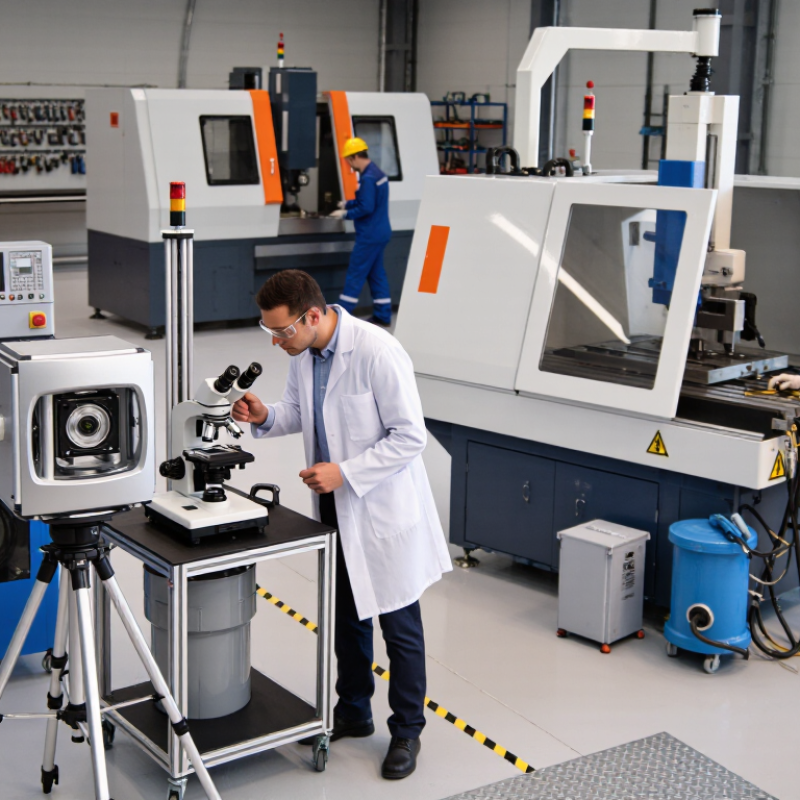
In practice, specialist equipment appears in laboratories, construction sites, hospitals, workshops, and emergency services. Its safe use depends on training, manufacturer instructions, risk assessments, and suitable protective measures. An engineer may check calibration records before testing a pressure system. A technician may inspect cables, guards, and warning labels before operating a cutting machine. Small details matter.

The right equipment can improve accuracy, reduce physical strain, and protect workers from avoidable hazards. However, specialist equipment is not automatically better in every situation. It may be expensive, difficult to maintain, or unsuitable for an untrained user. That point deserves attention.

Reliable guidance should come from qualified professionals, recognised industry standards, and current manufacturer documentation. Real workplaces also reveal practical limits. A device may perform well in a laboratory but struggle in dust, rain, or crowded conditions. This guide explains what specialist equipment means, how it is selected, and where it is commonly used. It also considers training, maintenance, safety checks, and the consequences of choosing equipment without understanding its purpose.
What Is Specialist Equipment and How Is It Used?

Definition and Core Characteristics of Specialist Equipment

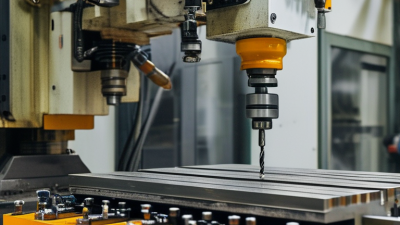
Specialist equipment is designed for a narrow task, environment, or professional requirement. It differs from general-purpose tools through its focused function and technical controls. A standard drill may suit routine work, while a specialist drilling system manages unusual materials, tight spaces, or exact depth limits. The difference is practical, not merely expensive.

Its core characteristics include precision, durability, controlled performance, and suitability for demanding conditions. Many systems use calibrated settings, reinforced components, or protective enclosures. A technician may check a digital reading, adjust a torque setting, and inspect a worn seal before operation. Small details matter. Poor calibration can produce unreliable results, even when the equipment appears sophisticated. Training is equally important, because specialist tools rarely forgive careless handling.

The equipment should also match the workplace, user, and task. A compact inspection device may work well inside a narrow pipe but perform poorly in wet surroundings. Maintenance records, operating instructions, and routine testing support safer decisions. In professional practice, users often compare measurements against known references rather than trusting one reading. That habit improves reliability. Still, definitions can become too tidy. Some equipment serves several industries, and its specialist status depends on how it is configured and used. Classification is not always obvious.
Major Types of Specialist Equipment Across Different Industries

What Is Specialist Equipment and How Is It Used?

Major Types of Specialist Equipment Across Different Industries

Specialist equipment is designed for a narrow task, difficult environment, or precise safety requirement. It differs from ordinary machinery through its controls, materials, sensors, or operating limits. In healthcare, this includes patient monitors, imaging systems, surgical tools, and portable oxygen equipment. In construction, laser scanners, lifting platforms, and ground-testing machines help teams measure and work safely.

The International Federation of Robotics reported 541,302 industrial robot installations worldwide in 2023. That figure shows how automation is becoming practical, not futuristic.

Agriculture uses GPS-guided tractors, moisture sensors, and automated irrigation systems. Mining operations depend on drilling rigs, ventilation monitors, haulage vehicles, and remote inspection tools. In logistics, barcode readers, conveyor systems, and warehouse robots improve movement accuracy.

The International Energy Agency reports that buildings and construction consumed about 30% of global energy in 2022.

Therefore, energy-efficient specialist equipment matters during both installation and daily operation. Yet efficiency claims can look attractive on paper. Actual results depend on maintenance, operator training, and site conditions.

Tips: Match the equipment to the task, not only the purchase price. Check training needs, service intervals, spare-part access, and emergency controls. Record performance after deployment. A machine may be technically advanced but unsuitable for a wet, dusty, or cramped workplace. Independent testing and recognised safety guidance should support major purchasing decisions. I would also question generic productivity promises. Field experience often reveals limitations that a brochure misses.

How Specialist Equipment Is Designed and Selected

Specialist equipment is designed for a defined task, environment, or user group. Its value begins with a clear understanding of the work. Engineers study load, movement, temperature, visibility, and likely failure points. A field trial often reveals details that drawings miss. A handle may feel safe indoors but become awkward with gloves. That small observation can change the final design. It is not perfect at first. Good teams revise it.

Selection should follow evidence, not appearance or sales language. A competent assessor compares capacity, controls, maintenance needs, training requirements, and compatibility with existing procedures. They also check relevant technical standards and documented test results. User feedback matters because real conditions are rarely clean. Dust gathers around joints. Batteries weaken in cold rooms. A reliable choice includes inspection intervals, spare parts, and clear instructions. It should solve a problem without creating a new one.

Tips: Write the task in measurable terms before reviewing equipment. Observe the actual workspace, not only photographs. Ask trained users to test reach, noise, balance, and cleaning access. Record why each feature matters. If evidence is incomplete, say so and arrange a supervised trial. Do not treat a familiar design as automatically suitable. Sometimes the quieter, simpler option performs better, although teams may overlook it.

Step-by-Step Use, Operation, and Maintenance

What Is Specialist Equipment and How Is It Used?

Step-by-Step Use, Operation, and Maintenance

Specialist equipment is designed for tasks requiring controlled performance, technical training, or unusual safety measures. Examples include lifting systems, diagnostic instruments, access platforms, and precision workshop tools. Safe use starts before power is switched on. Read the operating manual, confirm user training, and inspect cables, guards, controls, and warning labels. Check the work area for unstable surfaces, moisture, heat, or moving vehicles.

During operation, follow the approved sequence exactly. Secure the load or workpiece before applying force. Keep hands outside moving zones. Monitor unusual noise, vibration, heat, or inaccurate readings. Stop the equipment when conditions change. A rushed setup can look efficient. It is not. The International Labour Organization’s 2023 report estimated 2.93 million work-related deaths annually, showing why controlled procedures matter.

After use, isolate energy sources and release stored pressure where required. Clean contact surfaces with suitable materials, then inspect wear points. Record operating hours, faults, repairs, and replaced components. Schedule maintenance according to risk, usage, and inspection findings, not convenience. The UK Health and Safety Executive reported 138 fatal workplace injuries and 1.7 million work-related ill-health cases in Great Britain during 2023/24. A checklist helps, but it can still be completed carelessly. Supervisors should review records, question repeated faults, and stop equipment that fails inspection.

What Is Specialist Equipment and How Is It Used?

Specialist equipment requires structured operation, inspection, and maintenance. The chart compares commonly used inspection intervals for selected equipment categories. Actual requirements depend on local regulations, risk assessments, equipment condition, and the manufacturer’s instructions.

How to use the chart: Complete pre-use checks before operation, record scheduled inspections, remove defective equipment from service, and ensure that only trained personnel operate specialist equipment.

Safety Standards, Training, and Future Developments

Specialist equipment is designed for tasks that ordinary tools cannot safely manage. It may include lifting systems, medical devices, protective breathing equipment, or precision inspection instruments. Its value depends on correct selection, inspection, and operation. In practice, a familiar control panel can still hide serious risks. Safety standards set minimum expectations for design, maintenance, emergency procedures, and user protection. Employers should keep inspection records and remove damaged equipment immediately. Small faults matter.

Training must be practical, not limited to a short online lesson. Workers should learn the equipment’s purpose, operating limits, warning signals, and shutdown process. Supervised practice builds confidence, while refresher sessions address forgotten steps. Competent trainers should assess real performance, not merely attendance. A useful review asks what went wrong, even when nobody was injured. That question can feel uncomfortable, but it often reveals weak procedures. Future developments may add sensors, remote monitoring, and automated fault alerts. These features can improve safety, yet they cannot replace human judgment.

Tips: Read the operating instructions before use. Check guards, cables, controls, and warning labels. Wear the required protective equipment. Keep clear of moving parts. Report unusual noise or heat. Never improvise a repair. Pause when conditions change. Technology helps, but careful people still make the final decision.