China Best Specialist Equipment Suppliers for Global Buyers
China has become a major sourcing base for specialist equipment used in manufacturing, laboratories, construction, energy, and process industries. Global buyers often seek reliable suppliers, competitive pricing, and flexible engineering support. Yet, the best supplier is not always the cheapest one.
W. Edwards Deming, a respected quality-management expert, wrote, “Quality comes not from inspection, but from the improvement of the production process.” His principle remains practical when evaluating Chinese manufacturers. A dependable supplier should show clear production records, traceable materials, calibrated testing instruments, and consistent quality controls. Buyers should examine more than online catalogs. Factory videos can help, but they are not proof. An independent audit may reveal important details, such as unfinished welds, unclear inspection labels, or weak packaging. Small details matter.
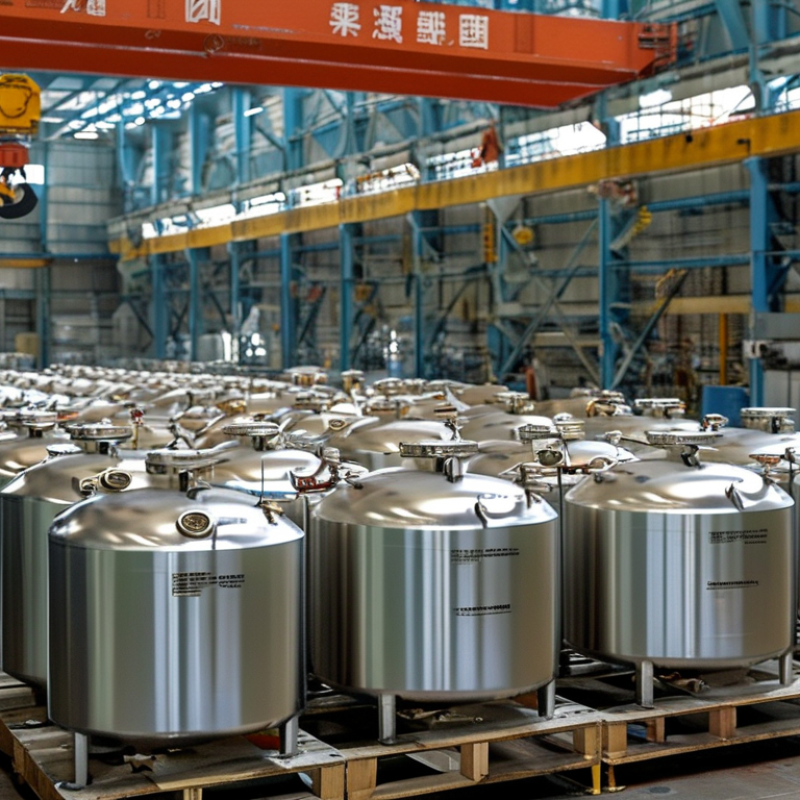
For global buyers, useful checks include ISO certification, technical drawings, sample testing, warranty terms, spare-parts availability, and export experience. Ask for material certificates when purchasing stainless-steel tanks or pressure-related equipment. Confirm tolerances before approving the final design. Request photographs of packed units, not only finished products. These steps reduce costly surprises during installation.
Still, no supplier is perfect. A responsive sales team may lack strong engineering depth. A modern workshop may have limited experience with overseas compliance requirements. Communication can also fail through vague specifications. Buyers should compare evidence, not promises. The strongest China specialist equipment suppliers combine technical capability, transparent documentation, stable production, and practical after-sales support. Trust must be earned shipment by shipment.
China’s Specialist Equipment Supplier Landscape
China’s Specialist Equipment Supplier Landscape
China’s specialist equipment sector serves industries with precise, demanding requirements. Suppliers often focus on areas such as laboratory systems, industrial automation, testing instruments, and custom machinery. In my sourcing experience, the strongest partners explain their production limits clearly. They also provide drawings, material records, inspection reports, and practical delivery schedules.
The landscape is broad, but quality varies. A polished website proves very little. Global buyers should review factory capability, engineering staff, quality controls, and export experience. Ask for sample data and confirm how measurements are calibrated. Video inspections can reveal workshop conditions, assembly details, and packaging methods. Some suppliers communicate well during sales, then respond slowly after payment. This remains an uncomfortable risk. A written service process helps reduce it.
Tips: Request a detailed specification sheet. Compare at least three qualified suppliers. Check relevant certifications independently. Confirm spare parts, training, warranty terms, and technical support before ordering. Do not rely on translated promises alone. Clear drawings matter. So does patience.
Even experienced buyers can miss small details, such as voltage, plug standards, installation space, or local maintenance skills. A supplier may meet the specification but still fail the application. Trial orders and third-party inspections can expose these gaps early. I would also keep a record of every technical revision. People forget. Documents usually do not.
Major Equipment Categories and Their Industrial Applications
China Best Specialist Equipment Suppliers for Global Buyers
Major Equipment Categories and Their Industrial Applications
Specialist equipment suppliers in China serve factories, warehouses, construction sites, and processing plants worldwide. Their value depends on application knowledge, not only low purchase prices.
Material-handling equipment includes cranes, conveyors, pallet systems, and lifting platforms. These machines support container yards, distribution centers, and assembly lines. CNC machinery, laser cutters, and automated welding systems serve metalworking and precision manufacturing. Buyers should check spindle speed, positioning accuracy, load limits, and duty cycles before ordering.
Processing equipment covers mixers, dryers, filling lines, and filtration units. Food, chemical, agricultural, and pharmaceutical facilities use them for controlled production. Packaging machines improve sealing, labeling, and pallet preparation. Environmental equipment, such as dust collectors and wastewater units, helps factories meet local operating requirements. Performance can change with humidity, temperature, and material density.
Field experience shows that detailed specifications prevent expensive mistakes. A conveyor rated for light cartons may fail under continuous heavy loads. Spare parts, operator training, installation support, and electrical compatibility also deserve attention. Certification documents should match the destination market and the actual machine configuration.
Supplier evaluation is not always perfect. Factory visits can reveal useful details, but they cannot predict every maintenance problem. Trial production and independent inspection remain sensible safeguards. Some buyers focus heavily on unit price and overlook downtime, which is often the larger cost.
Criteria for Evaluating Chinese Equipment Suppliers
China Best Specialist Equipment Suppliers for Global Buyers
When evaluating Chinese equipment suppliers, technical fit should come before attractive pricing. Request drawings, operating limits, material specifications, and recent production records. A capable supplier explains tolerances clearly and identifies unsuitable applications without pressure. That honesty matters.
Visit the factory when possible, or arrange a live video inspection. Check machining areas, assembly benches, calibration labels, and finished units awaiting shipment. Ask how incoming materials are tested and how inspection results are recorded. Reliable suppliers provide traceable documents, clear acceptance criteria, and practical quality-control procedures. Relevant certifications should match the equipment and destination market. A certificate alone proves little.
Communication is another useful test. Ask the supplier to confirm delivery stages, installation support, spare-parts availability, and warranty boundaries in writing. Evaluate response speed, technical accuracy, and willingness to correct drawings. Speaking with recent overseas customers can reveal issues hidden during sales discussions. Total cost also includes packaging, training, maintenance, and replacement components. A low quotation may become expensive after installation.
Remote evaluation has limits. I have seen impressive workshops fail to explain after-sales responsibilities. Small gaps matter. Independent inspections can reduce that risk, especially before final payment. Allow time for testing under realistic loads, because a successful empty-run test does not guarantee stable field performance. Good suppliers welcome measurable checks, but even careful buyers should document assumptions and review them before signing.
Manufacturing Standards, Certifications, and Quality Control
For global buyers, specialist equipment quality begins with a controlled manufacturing system, not attractive product photos. A capable supplier should explain its production standards in practical terms. ISO 9001 certification can indicate documented processes, but it does not replace product-specific verification. Ask whether drawings, revisions, and inspection records remain traceable. In one factory review, color-coded work orders reduced assembly errors on complex frames. Small controls matter. Still, suppliers may interpret standards differently across regions.
Certifications must match the destination market and equipment risk. Depending on the application, buyers may require CE marking, electrical safety reports, pressure tests, or other recognized conformity evidence. The supplier should provide certificate scope, issuing body, validity dates, and covered models. A logo alone proves little. Qualified inspectors check incoming materials, machining dimensions, weld quality, wiring, software functions, and surface finish. Calibration records should link each gauge to a valid reference. Factory acceptance testing should use agreed parameters and signed results.
Reliable suppliers also control nonconforming products. They should isolate defects, identify causes, and document corrective actions before shipment. Request serial-number traceability, material certificates, packing checks, and final inspection reports. For custom equipment, approve a sample or first article before full production. This exposes design weaknesses early. I would not rely on a perfect audit score. Production pressure, rushed changes, and incomplete records still appear in experienced factories. Open communication about a missed tolerance can reveal more professionalism than polished promises.
Manufacturing Standards, Certifications, and Quality Control
The chart shows the publication year of the current editions of widely recognized management, testing, occupational safety, and medical-device quality standards relevant to specialist equipment manufacturing and supply. Edition year indicates the latest published edition, not a supplier performance score.