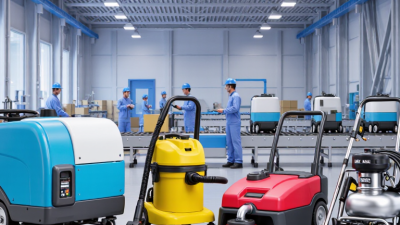
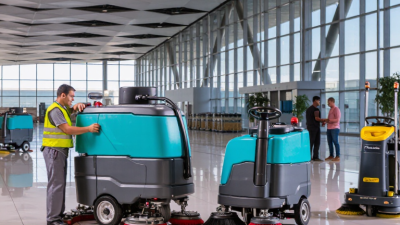
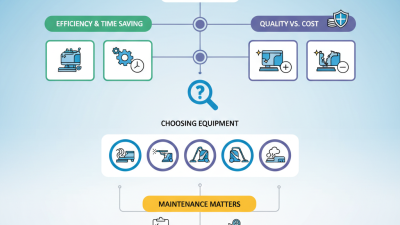
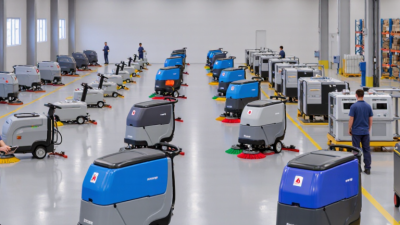
Cleaning machinery equipment helps turn demanding cleaning tasks into repeatable work. A scrubber-dryer can wash a supermarket aisle and recover dirty water in one pass. A vacuum removes dust from carpet, while a pressure washer tackles grime on durable outdoor surfaces. The machines differ in size, power, and purpose. Choosing one is not just a matter of buying the largest model.
ISSA cleaning-industry spokesperson Brian Sansoni has discussed cleaning’s role in supporting healthier indoor spaces. A paraphrase of that broader message is: “Effective cleaning helps create healthier environments.” This is not a verified verbatim quotation, so readers should check the original source before citing it. The practical point still matters: equipment should fit the soil, surface, room, and cleaning routine. A powerful machine used on a delicate floor can cause problems.
This guide introduces common types, including floor scrubbers, sweepers, vacuums, carpet extractors, pressure washers, and steam cleaners. Each serves a different job. Some collect dry debris; others wash surfaces or extract moisture. Small details matter. Brush type, tank capacity, noise, maneuverability, and maintenance can shape daily results. A machine that looks efficient in a catalog may feel cumbersome in a narrow corridor. And even good equipment cannot replace trained operators or a sensible cleaning plan. That distinction is easy to overlook.
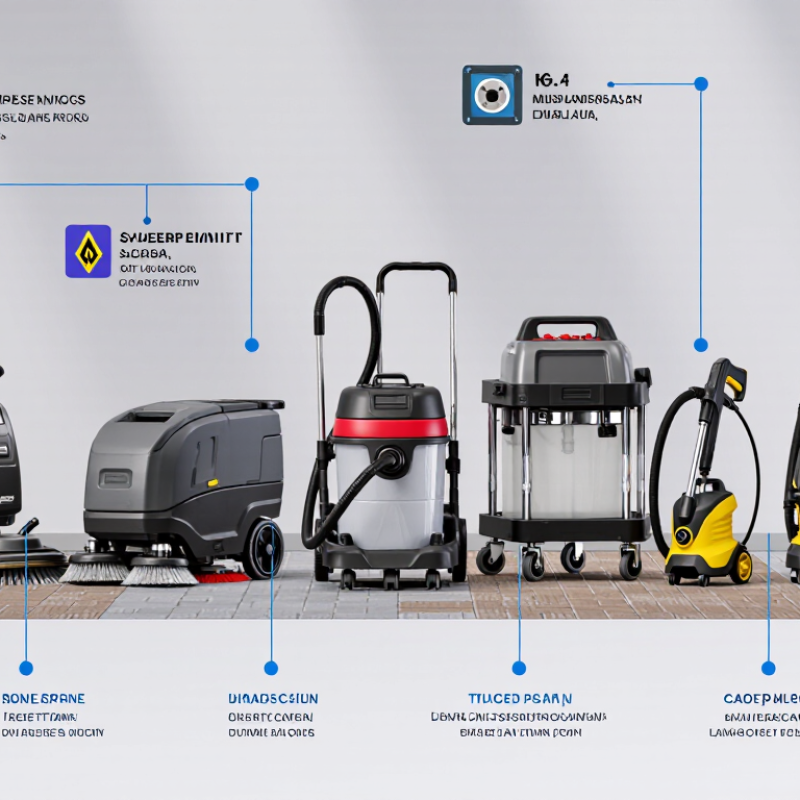
Cleaning machinery equipment refers to powered tools that remove soil, dust, grease, or moisture from floors and other surfaces. Common examples include scrubber-dryers, industrial vacuums, sweepers, and pressure washers. Their core functions are to loosen or collect dirt, move cleaning solution where needed, and recover used water or debris. The exact process depends on the surface and the type of contamination.
In a scrubber-dryer, rotating brushes agitate the floor while a solution tank feeds water and detergent. A rear squeegee then channels dirty water into a recovery tank, leaving less moisture behind. Vacuums instead use airflow and filters to capture dry particles. These functions can reduce repetitive manual work, but results depend on correct settings, clean filters, and regular maintenance. A 2011 International Energy Agency report estimates that motor-driven systems use over 40% of global electricity. This broader figure makes energy use worth considering when comparing powered cleaning equipment. It does not predict the consumption of any particular machine.
Tips: Match the machine to the surface and soil. Check brush wear, filters, and recovery tanks before each shift. Small details matter. Operators may still need to adjust their routine after seeing how a floor dries in real conditions.
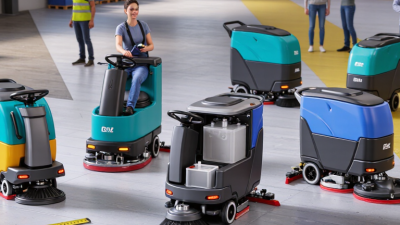
Cleaning machinery combines a power unit, a working head, fluid or debris storage, filters, and operator controls. In a floor scrubber, an electric motor turns the brush; water and detergent loosen soil, while a vacuum motor draws dirty liquid into a recovery tank. A rear squeegee guides the remaining water toward the suction inlet.
Small details matter: a clogged filter weakens suction, and a worn squeegee leaves thin wet trails. Not glamorous, but important.
Different machines apply the same basic principle in different ways. Vacuums create airflow to lift dust; sweepers use rotating brushes to move dry debris; pressure washers use a pump and nozzle to direct water at a surface.
The European Commission’s Regulation (EU) No 666/2013 set a 900-watt rated-input limit for household vacuum cleaners from 2017. That figure is a useful design reference, not a limit for every industrial machine.
Motor power alone does not determine cleaning performance. Brush contact, airflow, filtration, and operator speed all affect the result.
In practice, settings can be wrong, and real floors are rarely uniform. A damp tile corner behaves differently from a dusty concrete aisle.
Floor-cleaning machines handle large, hard surfaces. Scrubber-dryers apply cleaning solution, brush the floor, and recover dirty water in one pass. They suit warehouses, supermarkets, and corridors where wet floors need to dry quickly. Ride-on models cover broad areas, while walk-behind units fit tighter spaces. Sweepers collect dry dust and debris before scrubbing; using one first can reduce muddy residue.
Vacuum cleaners remove dust from carpets, upholstery, and hard floors. Models with suitable filtration can help capture fine particles, but filter choice and maintenance matter. For outdoor paving or greasy equipment, pressure washers use directed water to loosen stubborn soil. They are powerful. Excessive pressure can damage paint, seals, or soft surfaces, so operators should test a small area and adjust the nozzle.
Steam cleaners use heated vapor to loosen residue on compatible surfaces, often with little added detergent. Industrial parts washers clean components in a contained chamber, using spray or immersion methods suited to the soil and material. Not every site needs one.
Choose equipment according to floor type, area, soil level, water access, and operator training. Check recovery tanks, brushes, filters, and cables before each shift. A machine that looks efficient on paper may be awkward around shelving or doorways; a short site trial can reveal that.
Floor scrubbers combine brushing, water, and vacuum recovery to clean broad, hard surfaces. They suit warehouses, supermarkets, and hospital corridors where foot traffic quickly spreads dust and spills. A walk-behind model offers better control in narrow aisles. Ride-on units cover larger floors with less operator fatigue. Still, edge cleaning may need a separate tool. Small details matter: check turning space, floor texture, and drying time before choosing a machine.
Carpet extractors spray cleaning solution into fibers, then recover the moisture and loosened soil. They are useful in offices, hotels, and other spaces with textile flooring. Steam cleaners use heated vapor to loosen residue on selected surfaces, but they are not suitable for every material. Pressure washers direct water at outdoor grime on loading areas or building exteriors. Too much pressure can damage coatings or push water into joints. That trade-off deserves attention. For routine dust and debris, industrial vacuum cleaners provide a simpler option, with filtration selected for the material being collected. The best choice depends on the surface, soil, cleaning frequency, and available training—not just the machine’s capacity.
| Machine Type | How It Cleans | Typical Surfaces or Soil | Common Applications | Key Considerations |
|---|---|---|---|---|
| Walk-Behind Scrubber-Dryer | Applies cleaning solution, scrubs with a rotating brush or pad, then collects dirty water with a squeegee and vacuum system. | Hard, sealed floors with routine dirt, spills, and tracked-in soil. | Retail aisles, schools, healthcare corridors, and other medium-sized floor areas. | Choose a brush or pad suited to the floor finish; check tank capacity, turning space, and drying performance. |
| Ride-On Scrubber-Dryer | Uses powered brushes or pads and a recovery system to scrub and collect wastewater while the operator rides the machine. | Large areas of hard flooring with regular or heavier traffic soil. | Warehouses, distribution centers, airports, and large commercial buildings. | Requires adequate aisle width, turning clearance, charging or refueling arrangements, and operator training. |
| Floor Sweeper | Rotating side brushes direct loose debris toward a central brush or collection hopper; some models include dust-control filtration. | Dry leaves, dust, grit, and other loose debris on hard floors or paved surfaces. | Factories, loading bays, parking areas, and large indoor or outdoor spaces. | Sweepers collect loose debris but generally do not replace wet scrubbing for stuck-on grime or spills. |
| Wet/Dry Vacuum | Uses suction to collect dry dust and debris or, when designed for it, non-flammable liquids. | Dust, crumbs, workshop debris, and small liquid spills on floors or other accessible surfaces. | Maintenance work, workshops, construction cleanup, and general facility cleaning. | Use the correct filter and collection setup; confirm that the machine is rated for the material being collected. |
| Carpet Extractor | Sprays cleaning solution into carpet fibers, agitates or extracts soil, and vacuums up the resulting moisture. | Carpet and some upholstery materials, subject to the material's care instructions. | Offices, hotels, schools, and other buildings with carpeted areas. | Test for colorfastness, avoid over-wetting, and allow sufficient drying time to limit moisture-related problems. |
| Pressure Washer | Projects water through a nozzle at elevated pressure to remove surface dirt and deposits. | Durable exterior surfaces such as concrete, subject to the surface's condition and pressure limits. | Outdoor walkways, equipment exteriors, and designated wash-down areas. | Excessive pressure can damage coatings, wood, masonry, or seals; manage runoff and follow safety guidance. |
| Steam Cleaner | Uses heated water vapor to loosen soil on compatible surfaces; some machines also vacuum up moisture and loosened dirt. | Selected hard surfaces, grout, and other heat-tolerant materials, depending on the equipment and surface instructions. | Detail cleaning in kitchens, washrooms, and other areas where compatible surfaces need attention. | Heat and moisture may harm some finishes or materials; steam alone should not be assumed to disinfect every surface. |
| Floor Buffer or Burnisher | Rotates a pad to polish, maintain, or restore the appearance of compatible floor finishes; burnishers operate at higher speeds. | Finished hard floors, including certain resilient floors and coated surfaces. | Commercial corridors, lobbies, and other areas where floor appearance and finish maintenance matter. | Select the pad and speed for the finish; these machines polish rather than collect large amounts of loose debris or wastewater. |
Selecting cleaning machinery starts with the floor, not the catalogue. A compact scrubber may suit narrow aisles, while a wide machine can cover an open warehouse faster. Check surface type, soil level, doorway width, turning space, and available storage. Fit matters. Also consider the cleaning schedule: battery runtime, charging time, tank capacity, and refill access affect how much work gets done between interruptions.
Match the machine to actual operating conditions. Measure noise near occupied offices, and test maneuverability around desks, cables, and shelving. Check whether filters, brushes, and squeegees are easy to replace; awkward maintenance can leave equipment unused. The U.S. Energy Information Administration’s 2018 Commercial Buildings Energy Consumption Survey estimated that commercial buildings used 6.8 quadrillion Btu of energy. That figure covers buildings overall, not cleaning machines, but it highlights why facility energy use deserves attention. Compare rated power and expected hours of use rather than guessing at savings.
Safety and training matter too. The U.S. Bureau of Labor Statistics reported 2.6 million nonfatal workplace injury and illness cases in private industry in 2023. This broad figure is not specific to cleaning equipment, but it supports checking controls, visibility, operator posture, and safe handling before purchase. Ask staff to trial the machine on a real route. A paper specification can miss a tight corner. Review service access, parts availability, and total ownership cost, not only the purchase price. A cheaper model can still be the wrong fit.
Working width is one factor that affects how quickly equipment can cover an area. These representative widths vary by model and configuration; compare them alongside floor type, area size, maneuverability, power source, and maintenance needs.
JK Machinery a.s.
Psohlavců 322/4, Praha 4,
Czechia
T: +420 777 610 380
E: sale@roll-formingmachinery.com