What Are the Top Cleaning Equipment Suppliers in China?

Choosing the right cleaning equipment supplier in China requires more than comparing product photos and quoted prices. A polished catalog can hide weak motors, inconsistent batteries, or delayed spare parts. Buyers need evidence from factories, testing records, customer feedback, and export experience.

Stephen Ashkin, a respected cleaning-industry consultant, has said, “Green cleaning is not just about products; it is about processes.” This principle applies beyond sustainability. A reliable supplier should explain how its machines are designed, tested, packed, maintained, and eventually recycled. During supplier research, practical details matter. Can a scrubber clean a rough warehouse floor without leaving water behind? Are replacement brushes available after twelve months? Does the supplier answer technical questions clearly, or only send sales brochures?

There is no universal “best” supplier. That conclusion would be too simple. China’s cleaning equipment market includes established manufacturers, specialized factories, trading companies, and fast-growing brands. Their strengths differ across ride-on scrubbers, sweepers, vacuum cleaners, pressure washers, and commercial janitorial tools. This guide examines leading suppliers through product quality, manufacturing capacity, certifications, customization, delivery reliability, and after-sales support. It also considers weaknesses, because every supplier has them. Some offer competitive prices but limited service networks. Others provide strong engineering but require larger orders. The ranking may change as factories expand, prices move, and customer expectations develop. Careful verification remains essential. A sample test often reveals more than a confident sales presentation.
What Are the Top Cleaning Equipment Suppliers in China?

Types of Cleaning Equipment Supplied by Chinese Manufacturers

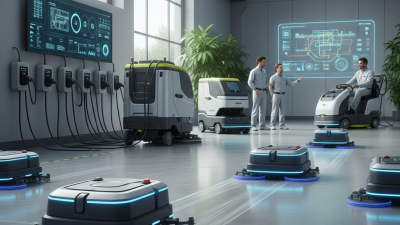
Chinese cleaning equipment suppliers serve factories, hotels, warehouses, hospitals, and municipal projects. Their product range is broad, but quality varies by application.

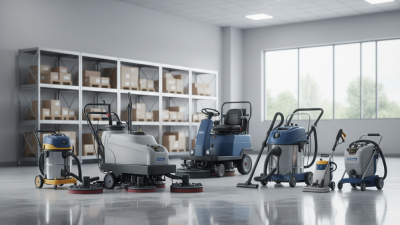
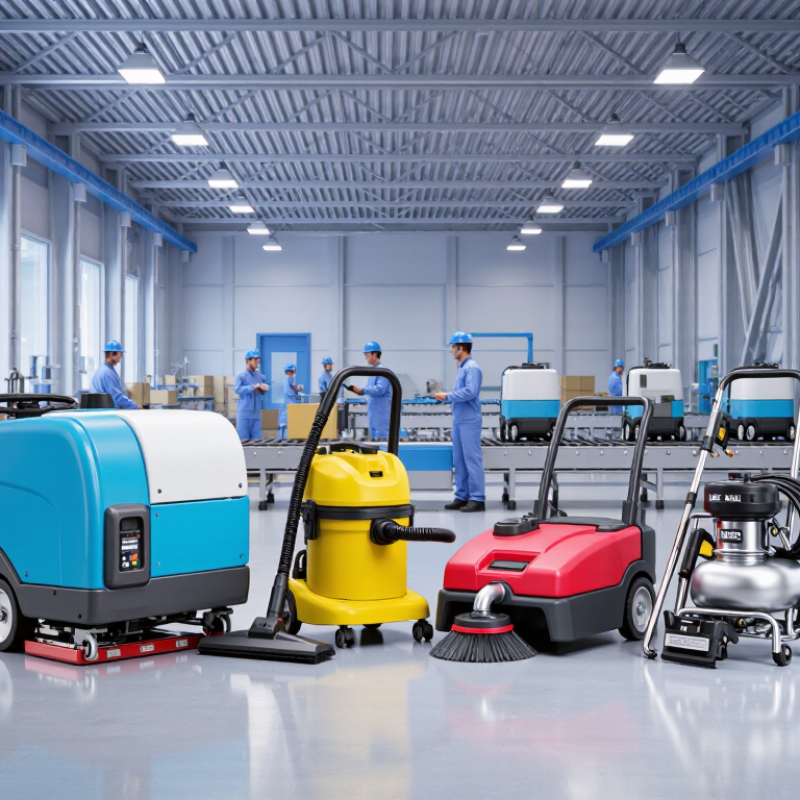
According to Fortune Business Insights’ 2024 Cleaning Equipment Market report, the global market reached about USD 34.49 billion in 2023. It may exceed USD 50 billion by 2030. Chinese manufacturers supply walk-behind scrubber dryers, ride-on sweepers, industrial vacuum cleaners, pressure washers, and steam cleaners. They also produce road sweepers, floor polishers, spray extractors, and replacement parts. These machines often support OEM production, custom voltage, and multilingual control panels.

Scrubber dryers suit supermarkets and factories with smooth floors. Sweepers collect dust, gravel, and packaging waste in warehouses.

High-pressure washers remove grease from loading areas, though excessive pressure can damage coatings. Industrial vacuums handle metal chips, powder, and liquid spills. They need suitable filters, not merely stronger motors.

The International Facility Management Association reports that cleaning remains a labor-intensive operating cost, making productivity a major purchasing factor. Battery capacity, recovery-tank design, noise levels, and local spare parts often matter more than attractive brochures. That is easy to forget.

In practice, supplier evaluation should include sample testing, factory audit records, warranty terms, and response times. A machine that performs well for ten minutes may struggle after eight hours. Some specifications also require careful verification. Performance claims should be tested on the buyer’s actual floor, soil, climate, and workload.
Key Criteria for Evaluating Chinese Cleaning Equipment Suppliers

The top cleaning equipment suppliers in China should be judged by evidence, not catalog size. Grand View Research estimates the global commercial cleaning equipment market will continue expanding through 2030, driven by hygiene standards and labor shortages. This growth attracts many factories, but capacity alone proves little. Ask for audited production records, stable component sources, and documented quality controls. ISO 9001 certification can support confidence, yet it does not replace independent verification. Factory experience matters.

A useful evaluation starts with machine performance. Request test data for water use, noise, battery life, cleaning width, and recovery efficiency. Compare identical working conditions. A supplier claiming “30% higher efficiency” should explain the testing method. Check spare-parts availability and technician response times in your target market. The International Trade Centre’s Trade Map and UN Comtrade data can help verify export activity by product category. Export volume is useful evidence, but not proof of reliability. I have seen buyers overvalue low prices and underestimate downtime. That mistake becomes expensive.

Tips: Request a video factory audit. Inspect welded joints, cables, seals, and control panels. Ask for three recent customer references. Review warranty exclusions carefully. Confirm manuals, training, packaging, and delivery terms before signing. Electrical safety documents should match the destination market. A pre-shipment inspection is worth considering. No checklist is perfect. Leave room for technical review.

Key Criteria for Evaluating Chinese Cleaning Equipment Suppliers

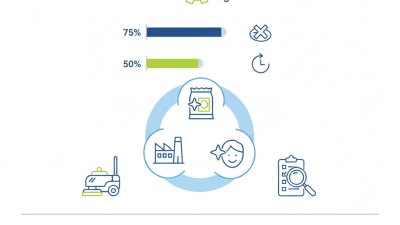
This procurement scorecard assigns practical weighting to the main criteria used when comparing Chinese cleaning equipment suppliers. The percentages represent evaluation priorities rather than company market share.

Evaluation focus: Product quality and applicable certifications should receive the highest priority, followed by manufacturing capability, export compliance, customization, delivery reliability, after-sales support, and total cost of ownership.

Leading Cleaning Equipment Suppliers in China by Product Category

China’s cleaning equipment market is best understood by product category, not by supplier size alone. Factories commonly supply floor scrubbers, sweepers, pressure washers, vacuums, and compact tools for specialized work. For commercial floors, ride-on scrubbers combine solution tanks, cylindrical brushes, recovery systems, and battery power. Walk-behind models suit narrow aisles and smaller facilities. Ask for cleaning width, noise data, battery cycle information, and replacement brush availability. These details reveal practical manufacturing experience.

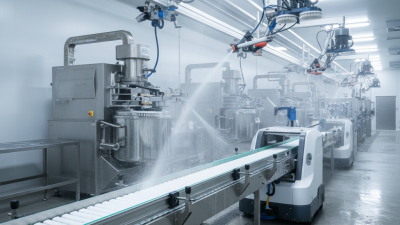
Industrial vacuum suppliers usually focus on dust class, airflow, filtration, and continuous-duty motors. Construction sites may need fine-dust filtration, while food plants require washable components and careful hygiene controls. Pressure washer suppliers should explain pump materials, working pressure, water flow, hose length, and temperature limits. High pressure is not always better. Too much force can damage coatings, seals, or delicate machinery. Request test videos using a surface similar to yours. That evidence is more useful than a polished catalog.

Street-cleaning and municipal suppliers often provide sweepers, waste containers, and mounted systems for large outdoor areas. Material quality matters around curbs, drains, and uneven pavement. Ask how suppliers handle spare parts, operator training, warranty claims, and remote troubleshooting. Reliable exporters provide clear manuals, inspection records, and realistic delivery schedules. Still, documentation can hide gaps. Check actual service response times before signing a large order. An experienced buyer should compare total operating cost, not only the purchase price. Some suppliers offer impressive specifications but limited local support. That weakness deserves honest attention.

How to Compare Quality, Certifications, Prices, and Services

What Are the Top Cleaning Equipment Suppliers in China?

Comparing Chinese cleaning equipment suppliers requires more than checking product photos. Start with build quality, including motor stability, frame thickness, hose connections, and wheel performance. Request sample units or detailed videos showing machines working on wet and uneven floors. Small defects often appear during repeated use, not during a short demonstration.

Certifications should match the product and destination market. Ask for current certificates, testing reports, and the exact factory or model they cover. A certificate with unclear ownership deserves careful review. Factory audits can reveal storage conditions, quality checks, spare-part systems, and production capacity. Price also needs a wider calculation. Include packaging, shipping, replacement parts, training, and warranty response time. The lowest quotation may become expensive after several repairs. I have found that service promises are easy to write, but response records are harder to verify.

Tips: Compare at least three written quotations. Check component specifications line by line. Ask how quickly common parts ship. Request a video call from the production floor. Keep every agreed detail in the purchase contract. Do not ignore uncomfortable questions. A supplier that answers slowly may still offer good equipment, but the risk should be priced honestly. A supplier that avoids technical questions is a stronger warning. Personal judgment matters, although it can be biased. Use test results, customer references, and documented service terms to correct that weakness.

What Are the Top Cleaning Equipment Suppliers in China? - How to Compare Quality, Certifications, Prices, and Services

Supplier Profile Typical Product Focus Quality Indicators to Verify Common Certifications or Documents Indicative Export Price Range Typical Lead Time After-Sales Service Best Fit
Profile A: Industrial Equipment Specialist Ride-on scrubber dryers, sweepers, vacuum systems, and industrial floor machines Weld quality, brush pressure consistency, battery performance, recovery-tank sealing, and documented factory testing ISO 9001 certificate, CE documentation for applicable products, electrical test reports, user manuals, and spare-parts lists US$2,000–15,000 per machine, depending on size and configuration 25–60 days for standard or customized orders Remote troubleshooting, operating instructions, replacement parts, and optional commissioning support Warehouses, factories, airports, shopping centers, and large commercial facilities
Profile B: Commercial Cleaning Machine Manufacturer Walk-behind scrubbers, single-disc machines, carpet extractors, and wet/dry vacuums Motor ratings, noise level, water-flow control, cable or battery safety, consumable availability, and field-test records ISO 9001, CE declaration where required, RoHS-related material documentation, and product inspection records US$350–5,000 per machine, depending on capacity and power source 20–45 days for regular models Online support, spare brushes and squeegees, warranty handling, and maintenance guidance Hotels, offices, retail stores, schools, and contract cleaning companies
Profile C: Battery-Powered Equipment Supplier Cordless vacuums, compact scrubbers, battery sweepers, and portable cleaning equipment Battery-cell traceability, charger protection, cycle-life data, thermal management, and runtime verification CE-related electrical documents, battery transport documents where applicable, UN 38.3 test summary, and MSDS/SDS US$180–4,500 per unit, depending on battery capacity and machine size 30–70 days when batteries require special production or shipping arrangements Battery replacement programs, charger support, technical manuals, and remote diagnostics for selected models Facilities requiring low noise, cable-free operation, or reduced local emissions
Profile D: Private-Label and OEM Supplier Custom-branded vacuums, scrubber dryers, sweepers, pressure washers, and accessory programs Production-line inspection, incoming-material control, sample approval, barcode traceability, and final random inspection ISO 9001, CE documentation where applicable, factory audit reports, packaging specifications, and inspection certificates US$150–12,000 per unit; tooling, artwork, and packaging costs may be additional 35–90 days, including sample approval and customized packaging Dedicated account management, customized manuals, packaging support, and negotiated spare-parts stock Importers, distributors, regional dealers, and private-label cleaning brands
Profile E: Compact and Entry-Level Supplier Handheld vacuums, compact floor polishers, small pressure washers, and basic janitorial machines Component consistency, basic safety protection, operating stability, packaging quality, and pre-shipment inspection Product-specific CE documents where required, electrical safety test reports, user instructions, and commercial inspection records US$60–1,200 per unit, depending on specifications and order quantity 15–40 days for stock or standard-production items Email support, standard warranty terms, replacement consumables, and spare-part quotations Small businesses, residential service providers, and price-sensitive distributors
Profile F: Integrated Cleaning Solutions Provider Machines, chemicals, microfiber systems, dispensers, accessories, and cleaning-program solutions Application testing, chemical compatibility, total operating cost, training quality, and documented cleaning results ISO 9001 or equivalent quality system, product safety documentation, SDS for chemicals, and equipment conformity documents US$500–20,000 for equipment packages, excluding installation and consumables 30–75 days for multi-product projects Site assessment, operator training, preventive-maintenance plans, installation coordination, and ongoing supply support Hospitals, transportation facilities, food-processing sites, and multi-location operations
Comparison note: Price ranges are indicative export-market estimates and can vary according to order quantity, machine size, battery type, customization, packaging, shipping terms, and destination requirements. Certifications should be verified against the exact model, production site, and destination market rather than accepted solely on the basis of a supplier statement.

Steps for Selecting and Purchasing from a Chinese Supplier

Choosing a Chinese cleaning equipment supplier requires more than comparing catalog prices. Define your needs clearly: floor size, cleaning capacity, power supply, noise limits, spare parts, and intended usage. Ask shortlisted suppliers for factory details, product specifications, test reports, and recent customer references. A professional supplier should answer consistently, not avoid technical questions.

Request a sample or arrange a video inspection before placing a large order. Check welding, hose connections, wheels, controls, packaging, and operating instructions. Confirm production time, minimum order quantity, payment stages, warranty terms, and after-sales support in writing. Also verify whether the equipment meets safety and electrical requirements in your destination market. A low quote may exclude accessories, export packaging, or replacement parts.

Tips:

Compare at least three written quotations. Use the same specification sheet for each supplier. Consider a third-party inspection before shipment. Keep photographs of agreed details. Do not rely only on polished videos. I once overlooked packaging strength in a purchasing plan, and minor damage became an expensive delay. That mistake still matters. Clarify Incoterms, shipping documents, and responsibility for defects before payment. A reliable supplier welcomes reasonable checks and provides traceable records. Flexible communication helps, but documented commitments protect both sides.