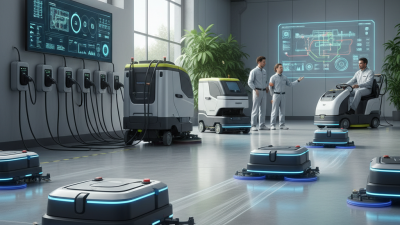
Choosing cleaning machinery equipment in 2026 means looking beyond the price tag. A polished product page cannot tell you whether a scrubber will turn through your narrowest aisle or fit beneath low shelving. Measure the space. Check the floor type, cleaning schedule, and available storage before comparing models.
The right choice depends on the work, not the trend. A compact walk-behind machine may suit a small shop, while a larger site may need wider coverage and longer operating time. Compare practical details: tank capacity, battery runtime, noise, water use, brush availability, and service support. Ask suppliers for clear specifications, and, where possible, arrange a demonstration on the actual floor. Small details matter. A machine that is awkward to empty can slow every shift.
Costs also extend beyond purchase. Consumables, repairs, operator training, and downtime can change the total value over several years. Request written warranty terms and confirm how quickly replacement parts can be obtained. Then ask staff who will use the machine; their feedback may reveal problems a brochure misses. I would not treat any single feature as decisive. Runtime claims, for example, depend on settings and working conditions, so test them against your routine.
This guide explains how to compare cleaning machinery equipment with evidence rather than assumptions. It covers site assessment, machine types, key specifications, lifecycle costs, and supplier questions. Some recommendations will still require judgment. That is normal. A careful shortlist, followed by a real-world trial, is often more useful than chasing the newest model.
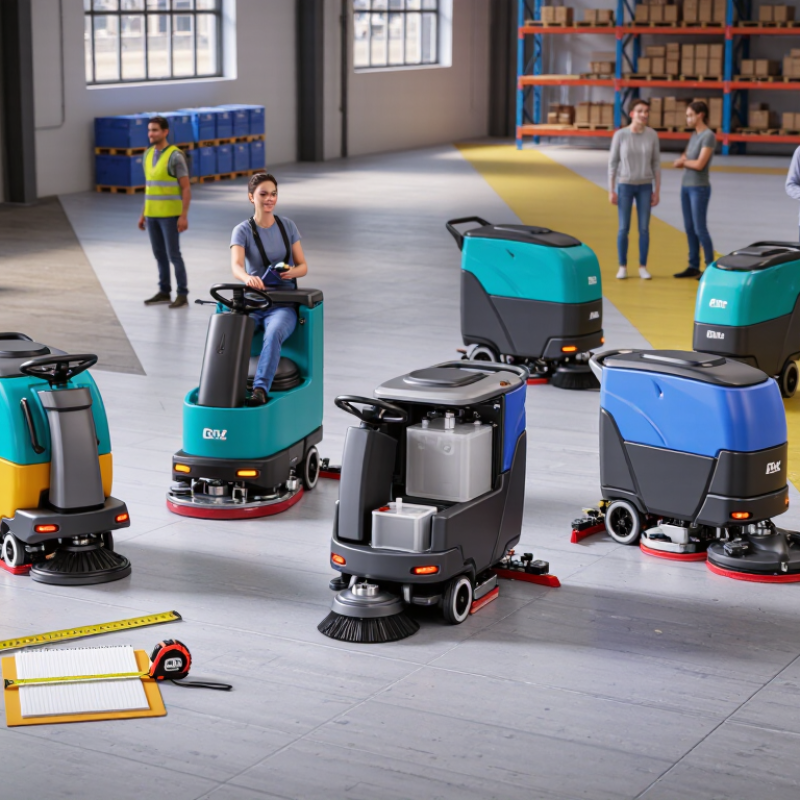
Choose machinery by defining the work before comparing specifications. Record floor types, daily traffic, soil load, cleaning frequency, and required results. A polished lobby needs different care from a greasy loading bay or a narrow clinic corridor. Decide whether the priority is faster coverage, quieter operation, lower water use, or consistent pickup. “Clean” is too vague; set observable standards, such as no visible grit under shelving or dry floors within a set time.
Facility limits matter just as much. Measure doorways, turning spaces, elevator capacity, storage, and charging access. The U.S. Energy Information Administration’s 2018 Commercial Buildings Energy Consumption Survey counted about 5.9 million commercial buildings, covering 97 billion square feet. That scale underlines why one machine specification cannot suit every site. Match working width and runtime to the actual route, then check noise, tank handling, maintenance access, and operator comfort. A unit that fits a brochure may still struggle around chair legs and tight corners.
Tips: Walk the route with operators during a normal shift. Mark bottlenecks, spill points, and surfaces needing repeat passes. Test shortlisted equipment on the real floor, not only in a showroom. Keep one awkward corner in the test; it may expose a poor fit.
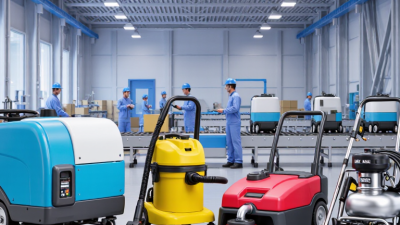
Start with the surface, not the machine. A sealed concrete floor can tolerate different brushes and pressure than polished stone or resilient vinyl. Check the floor-care instructions before choosing pads or chemicals. On a small test patch, look for dulling, scratches, or leftover residue. A machine that cleans quickly but damages the finish is the wrong choice.
Soil type changes the job. Fine dust may need strong filtration, while greasy marks often require suitable detergent and enough contact time. For wet spills, consider recovery capacity and how easily the tank can be emptied. Match the tool to the mess. It sounds obvious, yet equipment is often chosen by headline coverage rather than actual soil. That can waste time.
Measure doorways, turning areas, and storage space before purchase. A wide scrubber may perform well in open corridors but struggle around chair legs or narrow aisles. Also estimate cleaning frequency: daily use calls for durable parts and straightforward maintenance; occasional cleaning may not justify a large machine. Count setup, charging, refilling, and drying time, not just operating speed. A paper plan can miss awkward corners. Walk the route with a tape measure, then test the equipment during a normal shift if possible. One trial may reveal a bottleneck you did not expect.
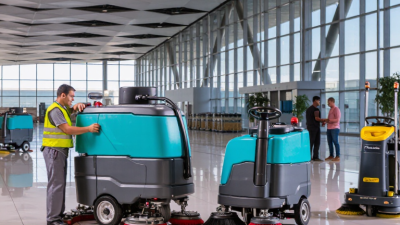
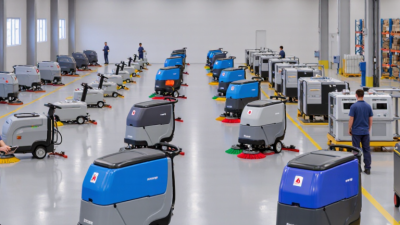
A walk-behind scrubber suits broad, hard-surface corridors where visible soil and sticky footprints need removing in one pass. It dispenses solution, scrubs, and recovers dirty water. For narrow aisles, crowded rooms, or small shops, a compact scrubber is easier to steer. A ride-on model covers large open floors faster, but can be awkward around chair legs and tight turns. Fit matters more.
Use a dry vacuum for carpet, mats, and daily dust; choose a carpet extractor when embedded soil or spills call for deeper washing and recovery. A sweeper collects loose grit in warehouses and loading areas before it gets tracked indoors. Steam equipment can help with detail work on suitable surfaces, but heat and moisture may damage delicate finishes. Check flooring guidance first.
Staffing matters, too. The U.S. Bureau of Labor Statistics projects about 351,300 annual openings for janitors and building cleaners from 2023 to 2033, despite only 2% employment growth. That points to the value of equipment operators can learn quickly, not just machines with higher output. Test turning radius, tank access, noise, and drying time on the actual floor. A bigger machine can still be the wrong one.
Compare cleaning machine types by the applications they are typically designed to handle.
How to read: Indicative application-fit ratings from 1 (poor fit) to 5 (strong fit), based on typical machine functions—not measured performance. Check floor type, area, soil, water access, and operating requirements before selecting equipment.
Choosing cleaning machinery in 2026 means comparing more than purchase prices. Measure cleaned area per hour, water recovery, noise, and performance on your actual floors. A machine that looks efficient in a showroom may leave damp tracks on textured tile.
Energy figures help narrow the field. The U.S. EPA’s ENERGY STAR guidance reports that certified commercial vacuum cleaners use about 30% less energy than conventional models. Treat that as a benchmark, not a guarantee: runtime, filter condition, and maintenance change real consumption. Safety deserves a hands-on check. Test visibility, braking, emergency stops, handle reach, and noise; OSHA guidance emphasizes training and safe equipment operation. Small details matter. A poorly placed control can slow work or invite mistakes.
Compare total ownership costs across the expected service life: purchase, electricity, water, detergent, pads, repairs, and staff time. The U.S. Department of Energy’s Federal Energy Management Program recommends life-cycle cost analysis for equipment decisions. Put local utility rates and realistic daily hours into the calculation. One awkward caveat: projected labor savings are easy to overstate. Run a timed trial on a representative shift, then include downtime and operator feedback before choosing.
Compare equipment against the surface, soil level, operating schedule, and space available. The productivity and energy figures below are broad planning estimates for commercial use, not guaranteed specifications; actual results vary by machine, operator, floor condition, and cleaning method.
| Equipment type | Typical practical coverage | Typical energy use while operating | Best suited to | Safety checks | Ownership-cost factors |
|---|---|---|---|---|---|
| Walk-behind floor scrubber | About 5,000–15,000 sq ft/hour (465–1,395 m²/hour); commonly a 17–28 in. cleaning path. | Battery models: roughly 0.8–2 kWh per operating hour. Verify battery capacity and charger input for the specific model. | Small and medium hard-floor areas, aisles, and spaces with frequent turns or obstacles. | Check wet-floor controls, squeegee condition, visibility, emergency stop, and safe battery charging. Keep routes clear of cords and hoses. | Battery replacement, brushes or pads, squeegees, detergent, charger, and labor for daily tank cleaning. |
| Ride-on floor scrubber | About 15,000–45,000 sq ft/hour (1,395–4,180 m²/hour); often a 26–40 in. cleaning path. | Battery models: roughly 2–5 kWh per operating hour. Larger machines and high-demand settings can use more. | Large, open hard-floor areas where longer, uninterrupted cleaning runs are possible. | Assess operator training, turning space, travel speed, braking, pedestrian separation, and safe loading or ramp limits. | Battery and charger, tires, brushes, squeegees, filters, service access, and the space needed to store and charge the machine. |
| Commercial floor sweeper | About 15,000–50,000 sq ft/hour (1,395–4,645 m²/hour), depending on path width, debris, and layout. | Battery models: roughly 1–4 kWh per operating hour. Fuel-powered models require fuel-use data from the manufacturer. | Dry debris collection in warehouses, production areas, parking facilities, and other large floor spaces. | Use suitable dust-control filtration; check visibility, pedestrian routes, dust exposure, and safe operation on slopes. | Filter and broom replacement, dust-bin handling, battery or fuel, tire wear, and maintenance of dust-control systems. |
| Commercial dry vacuum | Coverage varies widely; a planning range for open areas is about 2,000–8,000 sq ft/hour (185–743 m²/hour). | Typically about 0.7–1.5 kWh per operating hour for corded models; use the rated input to estimate site energy use. | Carpet, upholstery, edges, smaller rooms, and detail cleaning where maneuverability matters. | Inspect cords, plugs, and strain relief; use appropriate filtration for the dust involved and avoid blocking exits with cables. | Filters, bags, belts, brush rolls, cord repairs, replacement parts, and labor to clean filters and maintain suction. |
| Carpet extractor | About 1,000–4,000 sq ft/hour (93–372 m²/hour), depending on cleaning passes, soil level, and drying requirements. | Often about 1–2.5 kWh per operating hour for electric models; heating features can increase electrical demand. | Periodic deep cleaning of carpeted areas, spot treatment, and restoration after heavier soiling. | Manage wet-floor and electrical risks; follow chemical dilution instructions and provide adequate drying time to reduce slip risk. | Pump and vacuum service, hoses, filters, cleaning solution, heating components, and labor for recovery-tank cleaning. |
| Electric pressure washer | Cleaning rate depends on pressure, flow, soil, and technique; compare machines by rated pressure and flow, not floor-area claims alone. | Common commercial electric units may draw roughly 2–7 kW while running. Check the nameplate and confirm the site circuit can support the load. | Outdoor hard surfaces and targeted cleaning where water supply, drainage, and suitable surfaces are available. | Control high-pressure spray, noise, electrical connections, hose movement, runoff, and splash exposure. Use appropriate protective equipment. | Pump and nozzle wear, hoses, filters, water and electricity use, winterization, and maintenance of the water supply system. |
Choosing cleaning machinery in 2026 means checking more than cleaning speed. A machine may look efficient in a showroom, yet daily use can reveal weak points. Ask for the maintenance schedule, expected service intervals, and a written list of wear parts. Check whether filters, brushes, squeegees, and batteries can be replaced without special tools. Small details matter. Request a demonstration using the floor type, soil, and operating hours your team actually faces.
Confirm who provides training, how quickly support responds, and what happens after standard service hours. Get support hours and escalation steps in writing, not as verbal reassurance. Review compliance documents for electrical safety, noise limits, chemical handling, and workplace requirements at your site. Requirements vary by location. Have a qualified safety or facilities lead verify the documents before approval.
Tips: Photograph service labels and keep a dated maintenance log. Ask the supplier to demonstrate a routine repair, such as replacing a squeegee blade. If a support promise sounds vague, request a measurable commitment. It is easy to overlook this during procurement, so give the details another look.
JK Machinery a.s.
Psohlavců 322/4, Praha 4,
Czechia
T: +420 777 610 380
E: sale@roll-formingmachinery.com