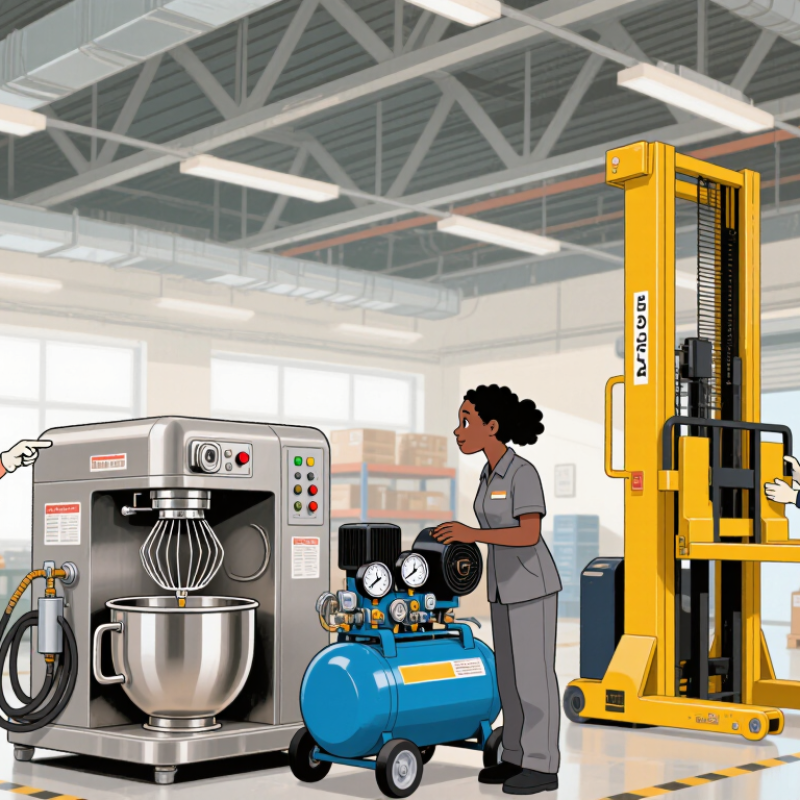
Choosing the right special equipment is a practical business decision, not a shopping exercise. The wrong machine can leave staff waiting, consume excess energy, or crowd a busy work area. The U.S. Department of Energy’s 2014 motor-systems assessment estimated that motors used about 54% of U.S. manufacturing electricity. That figure is a useful warning, not a universal buying rule. A bakery mixer, machine-shop compressor, and warehouse lift face different workloads. Small details matter. Consider daily operating hours, required output, available floor space, operator training, maintenance access, and replacement-part availability. These details shape both productivity and long-term cost.
Begin by mapping the task the equipment must perform, including peak demand and routine operating conditions. Compare specifications against real production needs, rather than buying capacity that may sit unused. Ask suppliers about installation, service response times, warranties, and energy use. Where possible, arrange a demonstration or trial with the materials your team actually handles. A machine that looks efficient in a brochure may behave differently on a crowded shift. Safety features and clear operating instructions also deserve close review. One limitation is worth admitting: published benchmarks cannot predict every site’s conditions. Record assumptions, involve the people who will use the equipment, and revisit them before committing. The best choice is usually the one that fits the work reliably, with room for realistic growth.
Before comparing special equipment, describe the business task in observable terms. What must move, process, inspect, or produce? Record typical dimensions, weight, cycle time, and required accuracy. “Move heavy materials” is too vague; “lift 300-kilogram loads from floor level to a 2.5-meter rack” gives suppliers and evaluators something concrete. Small details matter.
Then map the operating conditions. Note indoor or outdoor use, floor surfaces, available space, temperature, dust, moisture, power access, and daily operating hours. A machine that fits on a plan may struggle in a narrow aisle or on a sloped loading area. That matters. Requirements also change between a quiet morning shift and a busy afternoon, so observe more than one normal work period when possible.
Translate the task and conditions into required functions: capacity, reach, speed, precision, controls, attachments, and ease of cleaning or maintenance. Separate essential functions from convenient extras, and check how each one affects training time and downtime. A checklist helps, but it can miss an awkward turn or an obstructed view. Test shortlisted equipment in a representative workflow, using real materials and typical operators. If the test feels imperfect, record why; that uncertainty may reveal a requirement the original plan overlooked.

How to Choose the Right Special Equipment for Your Business
Measure the busiest realistic period before comparing equipment capacities. An average day can hide the workload that causes delays. Review production logs, booking records, or service tickets from several busy weeks. Note the volume handled per hour, how often jobs overlap, and how long each task occupies a machine. Small details matter. A workshop may process only 30 orders daily, but still need capacity for 10 orders arriving in one hour.
Match the equipment’s usable capacity to that peak workload, not just its advertised rating. Check whether rated output assumes ideal conditions, continuous operation, or a specific material. A machine handling 20 units per hour on paper may produce fewer when staff need time to load, clean, or change settings. Allow a sensible buffer for short surges, but avoid paying for capacity that will sit idle most of the year. Numbers can mislead. Forecasts are estimates, and I have seen carefully planned demand shift after one seasonal change. Where possible, test a representative workload and record actual output, downtime, and operator effort before committing. That evidence makes capacity decisions more dependable than a single sales estimate.
Compare equipment over its expected service life, not by invoice price alone. Include installation, training, financing, and likely resale value. Estimate energy costs using rated power, actual operating hours, average load, and local electricity rates. Small differences matter. A machine running 4,000 hours yearly can turn a modest efficiency gap into a substantial bill. Use measured duty cycles where possible; nameplate ratings rarely reflect every shift.
Maintenance and downtime need their own estimates. The U.S. Department of Energy’s Operations & Maintenance Best Practices guide reports potential maintenance-cost reductions of 25–30% and downtime reductions of 35–45% with predictive maintenance. These are benchmarks, not promises. Siemens’ 2024 True Cost of Downtime report estimated annual losses of about $1.4 trillion among 500 major companies.
For your operation, calculate lost output, idle labor, spoiled material, and restart time per hour. One estimate will be wrong. Review it against service logs and actual shift schedules before comparing options; even careful spreadsheets can miss awkward changeovers or delayed parts.
Before buying a larger compressor or specialized air-powered equipment, check where your current system is losing air. The U.S. Department of Energy says leaks can waste 20–30% of compressed-air output. That wasted air still costs energy to produce. Listen near couplings, hoses, valves, and drain points when the production area is quiet. A faint hiss matters. So does a compressor that runs during breaks.
Tips: Mark suspected leaks with removable tags, then have a qualified technician check them. Record compressor run time and pressure before and after repairs. Don’t raise system pressure to compensate; that can increase energy use and strain equipment.
Equipment needs vary by shift, tool, and workload. Note which machines operate together and when demand peaks. A pressure gauge near the point of use can reveal drops that a central gauge misses. It’s easy to overlook small leaks, and a quick walk-through won’t find every one. Still, even a basic leak log can make purchasing decisions clearer. Compare equipment using its required pressure and airflow, not just its advertised capacity. Keep maintenance records, too; they help show whether a new machine is truly needed.
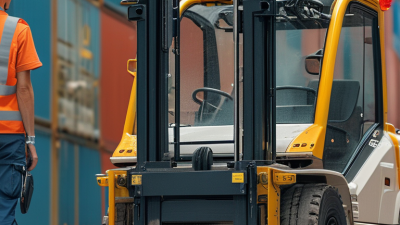
Choosing material-handling equipment starts with the worksite, not the brochure. Check the loads’ weight, travel distance, aisle width, floor condition, and lift height. A forklift rated for the load may still be unsuitable on a sloped or crowded route. Poor fit can create daily pressure to take shortcuts.
Operator safety deserves equal weight. OSHA estimates that proper training could prevent about 70% of forklift accidents. Its Powered Industrial Trucks standard requires operator training and evaluation, including workplace-specific instruction. A warehouse’s blind corner or loading dock needs attention; classroom training alone may not prepare someone for it. A checklist cannot predict every awkward turn. That limitation matters.
Tips: Before choosing equipment, walk the actual route with operators. Measure narrow aisles and note wet floors, uneven thresholds, and pedestrian crossings. Compare the rated capacity with real loads, including attachments. Ask supervisors how operators will be trained and evaluated on site. Then review near-miss reports; a quiet month does not prove a route is safe. I would revisit the choice after a trial period. The first estimate may be wrong.
Use this assessment matrix to match powered industrial truck types to the work environment and identify safety checks before selecting equipment.
| Assessment dimension | What to evaluate | Equipment implications | Safety action | Relevant OSHA requirement |
|---|---|---|---|---|
| Operator training and evaluation | Confirm that each operator is trained and evaluated for the type of truck and the conditions in which it will be used. | Different truck types and workplace conditions may require different training and demonstrated operating skills. | Train and evaluate operators before they operate independently. Provide refresher training when required by changes in performance, equipment, or workplace conditions. | 29 CFR 1910.178(l): training and evaluation are required; performance evaluations must occur at least once every three years. |
| Load weight and capacity | Check typical load weights, load dimensions, attachment use, and the truck’s rated capacity. | Select a truck whose capacity and configuration are appropriate for the loads and attachments used at the site. | Check the truck’s capacity information and do not exceed its rated capacity. Keep loads stable and safely arranged. | 29 CFR 1910.178(o)(2): trucks must not be loaded beyond their rated capacity. |
| Aisle width and storage height | Measure aisle clearances, turning areas, rack spacing, and required lift height. | Reach trucks are commonly used in narrow-aisle indoor storage; counterbalanced trucks generally need sufficient turning space. | Verify turning clearance, overhead clearance, and load stability in the actual facility before choosing a truck. | 29 CFR 1910.178(m) and (n) address operating conditions and safe travel; equipment selection should fit the site layout. |
| Surface and operating environment | Identify indoor or outdoor use, floor condition, slopes, wet areas, debris, and exposure to weather. | Rough-terrain trucks are designed for suitable outdoor terrain; warehouse trucks are generally selected for prepared indoor surfaces. | Match tires and truck design to the surface. Control speed and avoid operating on surfaces or grades the truck is not designed to handle. | 29 CFR 1910.178(n) requires safe operation and includes rules for ramps, grades, and travel conditions. |
| Visibility and pedestrian interaction | Review blind corners, doorways, pedestrian routes, loading areas, and whether loads obstruct the operator’s view. | Truck size, mast design, and load position can affect sightlines; site traffic patterns matter for every truck type. | Separate pedestrian and truck routes where practicable, use designated crossings, and travel in the direction that provides a clear view. | 29 CFR 1910.178(n) covers safe travel and pedestrian-related operating precautions. |
| Inspection and maintenance | Assess inspection routines, charging or fueling arrangements, maintenance access, and the site’s ability to remove faulty equipment from service. | Electric and internal-combustion trucks have different energy and maintenance needs; select a type the site can support safely. | Inspect trucks before they are placed in service. Remove unsafe trucks from service until they have been restored to safe operating condition. | 29 CFR 1910.178(q)(7): trucks must be examined before being placed in service, at least daily, and after each shift when used around the clock. |
Source note: OSHA requirements cited above refer to 29 CFR 1910.178, Powered Industrial Trucks. The “70%” figure is included in the requested headline; verify the original OSHA source, wording, and scope before presenting it as an official OSHA estimate.
JK Machinery a.s.
Psohlavců 322/4, Praha 4,
Czechia
T: +420 777 610 380
E: sale@roll-formingmachinery.com