China Top Food Industry Cleaning Equipment Suppliers?
China has become a significant source of food industry cleaning equipment for processors, bakeries, beverage plants, and commercial kitchens. Suppliers offer foam cleaning systems, high-pressure washers, steam units, tank-cleaning machines, and clean-in-place solutions. However, product names alone cannot prove technical quality.
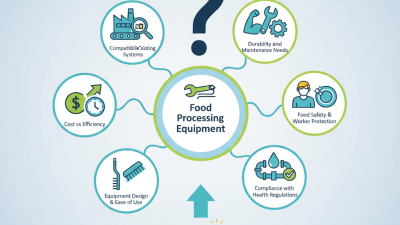
This guide examines leading Chinese suppliers through practical purchasing criteria. It considers hygienic stainless-steel construction, pressure stability, water consumption, chemical compatibility, automation, and maintenance access. Equipment should support consistent sanitation without damaging surfaces, seals, or sensitive production areas. Reliable suppliers can provide material certificates, operating manuals, installation guidance, and test records. Factory audits, sample demonstrations, and customer references add valuable evidence before a major purchase.
Details matter. A poorly positioned spray nozzle can leave residue behind a mixing tank. An undersized pump may extend cleaning time and increase labor costs. Buyers should also review electrical specifications, replacement-part availability, warranty terms, and after-sales response times. These points often separate a dependable partner from a low-cost seller.
No supplier is perfect. Some published specifications may require verification under actual working conditions. A strong evaluation therefore combines supplier documents with independent testing and operator feedback. This approach supports safer decisions and clearer cost estimates. It also reflects real processing environments, where water hardness, drainage design, production schedules, and local service capacity can affect performance. The following overview introduces China’s notable suppliers and explains how their food industry cleaning equipment may fit different sanitation requirements.
What Defines a Top Food Industry Cleaning Equipment Supplier in China?
A top food industry cleaning equipment supplier in China proves performance beyond a polished catalogue.
The WHO estimates that unsafe food causes 600 million illnesses and 420,000 deaths yearly. Therefore, suppliers must design equipment that removes soil, allergens, and microorganisms from difficult zones.
Hygienic welds, drainable pipes, rounded corners, and validated cleaning cycles matter. They should provide test records, material certificates, water-consumption figures, and chemical compatibility data. A practical factory trial is more convincing than a sales promise.
Experience is visible in details. Can the supplier adapt spray pressure for a delicate conveyor? Can technicians measure cleaning results with ATP testing after installation?
The FAO reported that 14% of food is lost between harvest and retail, showing why reliable processing systems matter.
Equipment should support stable production, not create long cleaning delays. Strong suppliers also understand ISO 22000 principles, HACCP controls, and export documentation. They explain limitations clearly. That is important. No supplier is flawless. A serious evaluation should include spare-part response times, operator training, maintenance access, and references from comparable plants. I would also inspect a working installation, because laboratory claims can look better than daily factory reality.
Key Types of Cleaning Equipment for Food Processing Facilities
Key Types of Cleaning Equipment for Food Processing Facilities
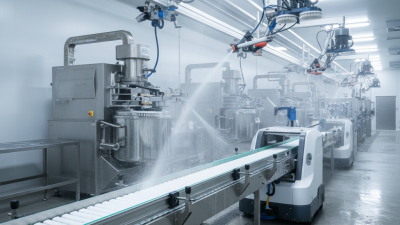
Food processing hygiene begins with equipment selection, not detergent alone. High-pressure, low-volume systems remove soil from floors, conveyors, and stainless-steel frames while limiting water use. Foam cleaning units spread visible detergent over large surfaces. Operators can check missed areas more easily. Portable clean-in-place systems circulate chemicals through tanks, pipes, and filling lines without full disassembly. That saves labor, but poor flow design can leave deposits inside valves.
Steam cleaners provide heat for selected surfaces, especially around drains, joints, and difficult corners. Industrial vacuum systems then collect dry ingredients before wet washing begins. This matters because flour and protein residues can spread through air or water. WHO estimates that contaminated food causes about 600 million illnesses and 420,000 deaths annually. The figure comes from its global food safety burden assessment.
Water control also deserves attention. FAO’s 2019 State of Food and Agriculture report estimated that 14% of food is lost between harvest and retail. Cleaning failures can add avoidable waste through spoilage, product recalls, and damaged packaging. I would not choose equipment only by pressure or price. A quieter system may improve operator compliance. That is easy to overlook. Suppliers should provide hygienic design details, flow-rate data, chemical compatibility records, and service training. No cleaning setup is perfect. Facilities should validate it with ATP testing, visual inspections, and periodic microbiological sampling.
Major Factors for Evaluating Chinese Equipment Suppliers
Choosing Chinese food industry cleaning equipment suppliers requires more than comparing prices. The FAO and WHO estimate that contaminated food causes about 600 million illnesses and 420,000 deaths each year. This makes hygienic design a purchasing requirement, not a marketing phrase. Check whether equipment uses smooth, drainable surfaces, food-contact materials, and validated cleaning procedures. Ask for material certificates, weld inspection records, and test reports from independent laboratories.
Supplier evaluation should also examine engineering depth. PMMI’s 2024 food and beverage processing trends report highlights labor shortages, automation, and resource efficiency as important investment drivers. A capable supplier should therefore provide automated cleaning-in-place controls, chemical dosing accuracy, water-use data, and access records. Request a factory acceptance test using your actual soil, temperature, flow rate, and cleaning chemicals. Photos are not enough. Visit the production site if possible, and inspect spare-parts storage, calibration systems, and after-sales response procedures.
Reliability is often harder to measure. Review references from facilities with similar products and sanitation risks. Confirm compliance with ISO 22000-based food safety systems and relevant Codex hygiene principles. A supplier may promise a short delivery time, yet weak documentation can delay validation for weeks. I would also test communication during a small pilot project. That exposes problems early. No evaluation method is perfect; even a detailed checklist can miss operator training and local service limitations. Procurement teams should record these uncertainties before signing.
China’s Food Industry Cleaning Equipment Suppliers: Major Evaluation Factors
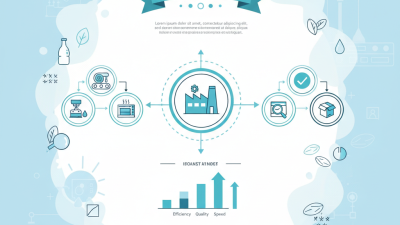
This weighted evaluation framework highlights the factors commonly used when assessing Chinese suppliers of food-industry cleaning equipment. Hygienic design, cleaning effectiveness, compliance documentation, after-sales service, customization, total cost, and delivery capability should be reviewed together rather than judged by price alone. The percentages are procurement-planning weights, not company-specific performance data.
Compliance, Hygiene Standards, and Equipment Certification
China Top Food Industry Cleaning Equipment Suppliers?
Compliance, Hygiene Standards, and Equipment Certification
Choosing a Chinese cleaning equipment supplier requires more than comparing prices. In practical procurement, hygiene design should be checked before production begins. Look for smooth stainless-steel surfaces, sealed welds, accessible drainage, and minimal areas where food residue can collect. These details matter during daily cleaning. They also affect inspection results.
Reliable suppliers should provide material certificates, equipment drawings, cleaning instructions, and traceable production records. Ask whether components meet relevant food-contact requirements in your target market. Certifications such as ISO 9001 or ISO 22000 can support supplier evaluation, but they do not automatically prove equipment hygiene. Certification scope must match the factory, process, and product. Read the documents carefully.
Factory acceptance testing should examine spray coverage, pressure, temperature control, chemical resistance, and emergency protection. Request test records with actual measurements, not only attractive photographs. A supplier may pass a quality audit yet offer weak after-sales support. That risk is easy to underestimate. Confirm spare-part availability, remote assistance, installation training, and cleaning validation support. I have also found that minor design changes can alter compliance evidence. Every modification should be documented and reviewed before shipment. Perfect paperwork is not enough. The equipment must remain hygienic under real production pressure.
How to Select the Right Supplier for Your Food Industry Needs
China Top Food Industry Cleaning Equipment Suppliers?
Selecting a supplier requires more than comparing prices. Start with your cleaning conditions, production volume, and hygiene risks. A reliable supplier should understand your product residue, water pressure, temperature limits, and drainage layout. Ask for equipment drawings before discussing final costs. Stainless steel construction, smooth welds, and accessible spray points matter during daily inspections. The supplier should also explain cleaning coverage, chemical compatibility, noise levels, and energy use.
Request test evidence using residue similar to your process. A factory demonstration is useful, but it may not reflect your real production line. Include your own soil samples when possible. Check inspection records, material certificates, operating manuals, and maintenance schedules. Confirm whether technicians can support installation and training. Spare parts availability is often overlooked. That mistake becomes expensive during peak production. Review references from facilities with comparable output, hygiene requirements, and working conditions.
Tips: Compare total ownership cost, not only the purchase price. Ask who responds when a pump fails at night. Require clear acceptance criteria, warranty terms, and operator training. Visit the manufacturing site if practical. Look for organized testing areas, traceable components, and careful documentation. Do not accept vague claims about “complete cleaning.” Measure results through inspection, swab testing, and repeatable procedures. No supplier is perfect. Your questions should reveal how honestly they discuss limitations.