Top 10 Peeling Equipment Manufacturers Worldwide
Selecting the world’s top 10 peeling equipment manufacturers requires more than comparing catalogue prices. A peeling line may handle potatoes, carrots, apples, or delicate root vegetables. Each crop reacts differently to blades, abrasives, steam, water, and pressure. Small design choices can decide whether a factory sells clean product or loses valuable flesh.
Food-processing expert Dr. Peter Fellows states, “The aim of food processing is to preserve food, extend its shelf-life, and maintain or improve its quality.” This principle guides our review of peeling equipment manufacturers worldwide. We examine peeling accuracy, product yield, throughput, hygiene design, energy use, automation, and after-sales support. We also consider practical factory details, such as adjustable rollers, stainless-steel contact surfaces, wash-water control, and access for daily cleaning. A machine that removes thin potato skins efficiently may perform poorly with soft fruit. No universal winner exists.
The ranking should therefore be read as a practical comparison, not an absolute verdict. Some manufacturers publish detailed test data, while others provide limited information. That gap matters. Real performance can change with cultivar, moisture, operator skill, and production speed. A 20-ton-per-hour system sounds impressive, but excessive trimming may erase its financial advantage. Buyers should request product trials, yield measurements, safety documentation, and local service records before investing. This article highlights leading manufacturers while acknowledging an uncomfortable point: the best peeling equipment on paper may not be the best fit for every processing plant.
What Peeling Equipment Is and Where It Is Used
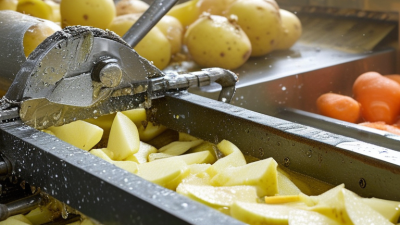
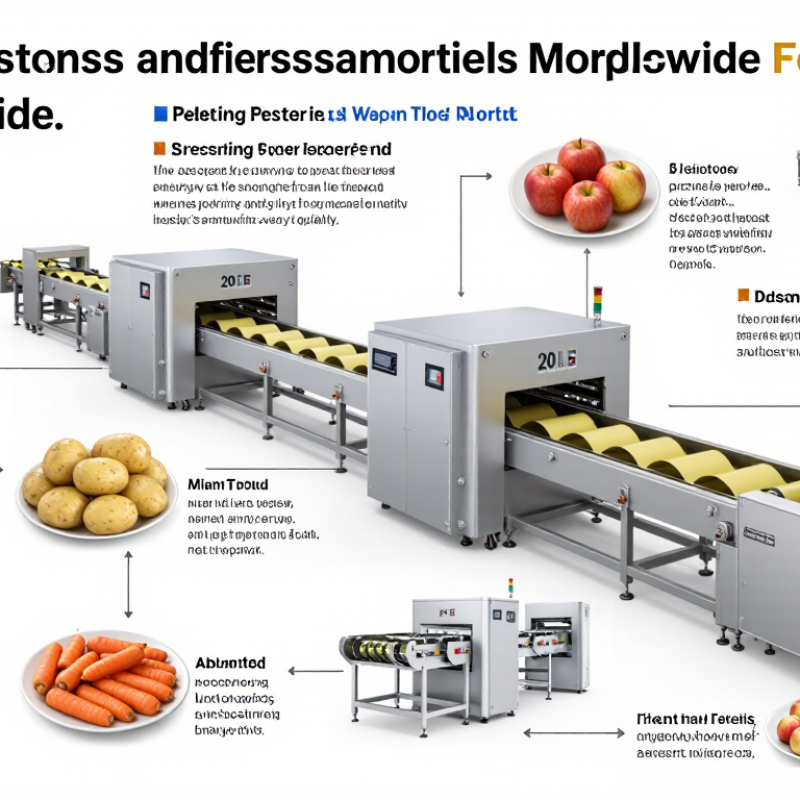
Peeling equipment removes skins, shells, or outer layers from food and agricultural products. Industrial models use blades, abrasive rollers, steam, or water pressure. The suitable method depends on product firmness, shape, moisture, and required yield. A potato peeler may use rotating abrasive drums, while a citrus system often relies on controlled blades and brushing.
These machines operate in processing plants, commercial kitchens, farms, and prepared-food facilities. They handle potatoes, carrots, onions, apples, root vegetables, and some fruits. Operators adjust speed, pressure, temperature, and feed rate. A small pressure change can affect breakage and product loss. Cleanable surfaces and accessible inspection points also matter because residue can collect around seals and cutters.
Real production is rarely perfect. No peeling machine removes every skin without wasting some edible material. Irregular produce can pass through partially peeled, especially after long storage. Experienced operators check samples by hand and compare peeling quality with yield data. Safety guards, emergency stops, drainage, and routine blade inspection support reliable operation. Water use deserves attention too. Some systems improve cleanliness but create more wastewater than expected. Testing representative batches before purchase is therefore wiser than choosing equipment from capacity figures alone.
How Leading Peeling Equipment Manufacturers Are Evaluated
Top 10 Peeling Equipment Manufacturers Worldwide
How Leading Peeling Equipment Manufacturers Are Evaluated
Evaluating peeling equipment manufacturers requires more than comparing catalog prices. Field experience starts with product trials, not polished brochures. Buyers should measure peeling yield, throughput, product damage, water use, and cleaning time under identical conditions. A machine that removes 98% of the skin may also remove valuable flesh. That hidden loss matters.
FAO reports that 13.2% of food is lost between harvest and retail worldwide. This makes precision and stable processing important evaluation factors. Manufacturers should provide test data for different sizes, varieties, moisture levels, and operating speeds. Their equipment should support hygienic design and documented sanitation procedures, consistent with ISO 22000 principles. Inspectors should check weld quality, drainage, access panels, and the risk of trapped residue. Small details matter.
Energy and labor performance also deserve measured evidence. The U.S. Department of Energy identifies motors and compressed-air systems as major industrial energy users. Efficient drives and simple controls can reduce operating costs, but claims need site-specific verification. After-sales support is another practical test. Spare-part availability, response time, training, and remote diagnostics often separate reliable suppliers from attractive sellers. Perfect testing is impossible. Product conditions change, and published results may be selective. A fair evaluation should record failures, downtime, and operator feedback, not only the best production run.
Top 10 Peeling Equipment Manufacturers by Product Strengths
Top 10 Peeling Equipment Manufacturers Worldwide
The top ten peeling equipment manufacturers stand out through different product strengths, not identical designs. Some specialize in abrasive roller peelers for potatoes, carrots, and other firm vegetables. Their machines remove thin skin layers while protecting usable product. Others focus on steam peeling, which handles high volumes with consistent results and reduced manual trimming. This matters in factories processing several tons each hour.
Mechanical blade systems suit delicate fruits and vegetables. They offer controlled cutting depth and quick size adjustments. Some manufacturers develop brush peelers for small batches, where flexible bristles reduce surface damage. Automatic washing, inspection, and conveyor integration also separate stronger equipment from basic units. Useful details include stainless-steel frames, tool-free access panels, and sealed electrical cabinets. Small details often decide uptime.
Reliable manufacturers usually provide testing support before installation. Operators can compare peeling loss, throughput, water use, and cleaning time using real raw materials. That experience is more valuable than a polished brochure. However, published capacity figures can be optimistic. Product variety, temperature, skin thickness, and operator settings change actual performance. Buyers should request trial data and maintenance records. A machine that peels quickly but wastes eight percent more product may be the weaker choice. Hygiene design remains essential, especially around drains, seals, and hard-to-reach corners. No system is perfect. Careful evaluation still prevents expensive surprises.
The chart compares major peeling technologies by indicative commercial throughput. The figures represent typical midpoints of publicly reported equipment capacity ranges and are intended as a technology-level benchmark rather than company-specific performance data.
How to Select the Right Peeling Equipment Manufacturer
How to Select the Right Peeling Equipment Manufacturer
Selecting from the top 10 peeling equipment manufacturers worldwide requires more than comparing purchase prices. The machine must match the crop, throughput, peeling method, and cleaning system. A 500-kilogram-per-hour line needs different engineering from a five-ton plant. Product trials matter. A supplier should test your actual potatoes, carrots, or root vegetables, then report peel loss, surface damage, and water consumption. The best machine is not always the fastest.
Independent data can sharpen this decision. FAO’s The State of Food and Agriculture 2019 estimates that 14% of food is lost between harvest and wholesale. Excessive peeling can increase that waste. MarketsandMarkets estimates the food processing equipment market will grow from about 52.5 billion US dollars in 2023 to 68.3 billion by 2028. This growth raises competition, but also creates more confusing claims. Request verified performance data, not attractive brochures.
Inspect the manufacturer’s technical depth. Ask for blade or abrasive replacement intervals, motor efficiency, spare-part lead times, and sanitation instructions. The equipment should provide accessible inspection points and smooth, drainable surfaces. A useful factory reference can reveal details missing from a sales meeting. Speak with operators, not only executives. Check training, remote support, warranty limits, and installation responsibility. I would also request a written acceptance test. It may feel excessive. Later, it can prevent an expensive argument. Pay attention to noise, vibration, and uneven peeling during trials. Small defects often become daily production losses.
Top 10 Peeling Equipment Manufacturers Worldwide - How to Select the Right Peeling Equipment Manufacturer
Anonymous comparison of manufacturer capabilities and key purchasing criteria
| Rank |
Anonymous Manufacturer Profile |
Primary Peeling Equipment |
Typical Applications |
Typical Capacity Range |
Automation Level |
Material Compatibility |
Customization |
Hygienic Design |
Best Fit |
| 01 |
Profile A |
Abrasive roller and brush peelers |
Potatoes, carrots, root vegetables |
1–15 t/h |
High |
Excellent |
High |
Washdown-ready |
Large processors |
| 02 |
Profile B |
Steam peeling systems |
Potatoes, beets, vegetables |
2–20 t/h |
Very high |
Good |
Medium |
Sanitary option |
High-volume lines |
| 03 |
Profile C |
Knife peeling machines |
Apples, pears, citrus, tubers |
0.5–8 t/h |
High |
Very good |
High |
Stainless construction |
Consistent product shapes |
| 04 |
Profile D |
Rotary and batch peelers |
Potatoes, onions, garlic |
0.2–5 t/h |
Medium to high |
Good |
Medium |
Basic to sanitary |
Small and medium plants |
| 05 |
Profile E |
Chemical and lye peeling lines |
Tomatoes, peaches, vegetables |
1–12 t/h |
High |
Application-specific |
High |
Process-controlled |
Canning operations |
| 06 |
Profile F |
Brush peeling and washing units |
Carrots, cucumbers, root crops |
0.5–10 t/h |
Medium |
Very good |
Medium |
Washdown-ready |
Fresh-cut facilities |
| 07 |
Profile G |
Pneumatic and abrasive peelers |
Potatoes, cassava, sweet potatoes |
1–10 t/h |
High |
Good |
Medium to high |
Sanitary option |
Continuous processing |
| 08 |
Profile H |
Specialty fruit peeling systems |
Citrus, apples, pears, kiwi |
0.2–6 t/h |
High |
Excellent |
Very high |
Food-grade design |
Fruit processors |
| 09 |
Profile I |
Compact modular peeling equipment |
Potatoes, vegetables, specialty crops |
0.1–3 t/h |
Medium |
Good |
High |
Easy-clean design |
Pilot and growing plants |
| 10 |
Profile J |
Integrated peeling and inspection lines |
Mixed vegetables and prepared foods |
1–15 t/h |
Very high |
Very good |
Very high |
Full hygienic integration |
Automated factories |
How to select the right manufacturer:
Compare peeling yield, product loss, throughput, utility consumption, cleaning requirements, spare-parts availability, operator safety, automation compatibility, installation support, and total cost of ownership. Capacity figures are typical industry ranges and should be verified through a product test using the buyer’s actual raw material.