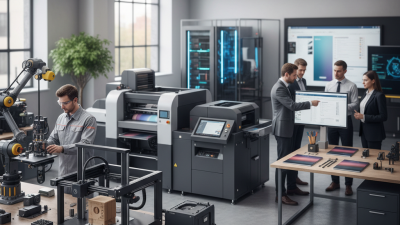
China’s experience equipment sector serves museums, science centers, commercial venues, and cultural attractions. Its products can include interactive walls, motion-based simulators, projection environments, and hands-on learning installations. The phrase “experience equipment” covers a broad field, not one standardized product category. That makes supplier comparisons less straightforward than a simple ranking suggests.
This guide introduces ten Chinese manufacturers and considers the practical details buyers should examine. These include design and engineering capabilities, installation support, customization, maintenance planning, and evidence of completed projects. A polished render is useful, but it cannot show how a system performs after months of daily use. Ask about materials, visitor capacity, safety testing, software updates, and spare-part availability. Details matter.
Company capabilities can also change over time. A supplier with strong creative work may rely on outside partners for fabrication or local installation. That is not automatically a problem, but buyers should understand who is responsible at each stage. Request clear specifications, documented references, and a realistic service plan before making comparisons. Independent verification is valuable where available.
The companies featured here should be treated as a starting point for research, not a universal verdict on quality. Project budgets, venue conditions, and visitor needs vary widely. One fit may fail elsewhere. Careful evaluation helps identify manufacturers whose experience equipment matches the intended use, operating environment, and long-term support requirements.
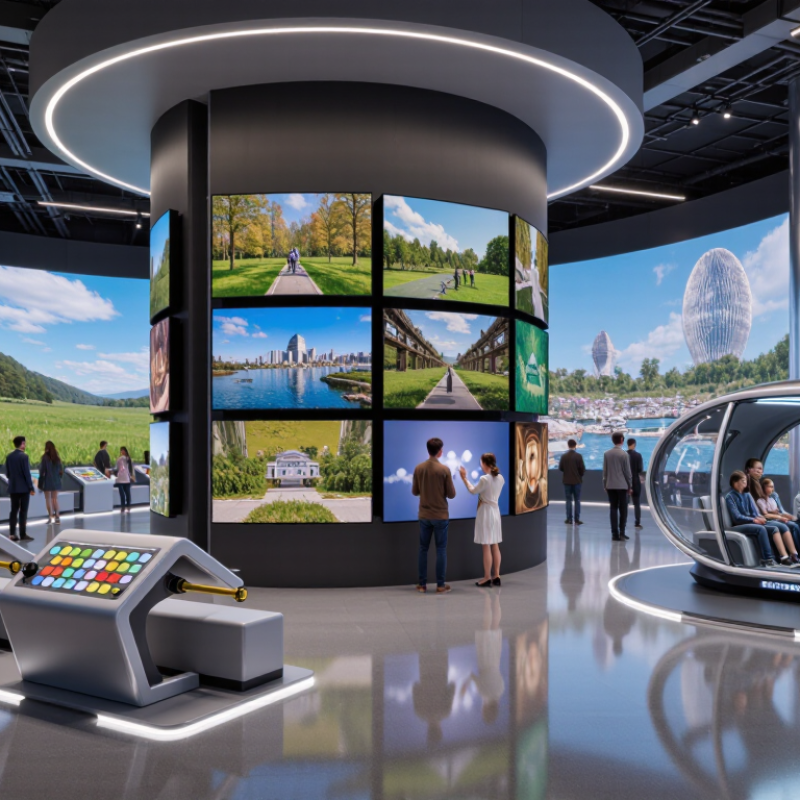
Experience equipment turns information into something visitors can touch, operate, or explore. The term covers interactive exhibits, motion simulators, projection rooms, and hands-on learning installations. A visitor might turn a physical wheel and watch a digital landscape respond. Small details matter: clear instructions, comfortable controls, and a screen that remains readable under bright lights. It should feel natural.
In China, this equipment supports museums, science centers, tourism spaces, and commercial venues. Local production can bring together mechanical parts, electronics, software, and custom fabrication. That coordination can help projects adapt to different spaces, from a compact indoor exhibit to a large themed hall. Yet the label “experience equipment” is broad. Two products may look similar and serve very different needs.
For buyers, the real test is how equipment performs after installation. Ask about maintenance access, component replacement, visitor flow, and operating conditions. A demo can be impressive. Daily use is different. A polished enclosure alone proves little if controls confuse visitors or repairs require dismantling the whole unit. Even careful planning misses things; watching people use a prototype often reveals awkward pauses that a design review does not.
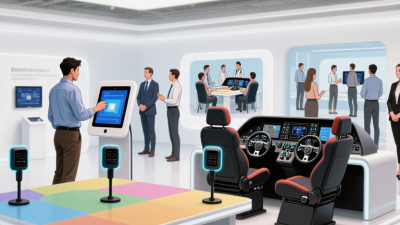
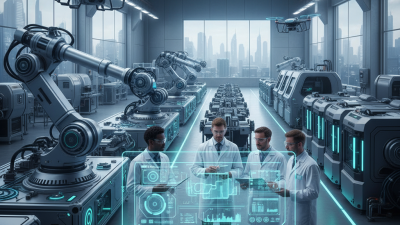
China’s experience equipment industry is moving beyond single-purpose rides toward connected visitor environments. Operators increasingly combine motion platforms, projection, sound, sensors, and hands-on exhibits to keep guests engaged. Demand is uneven. Large destinations seek signature installations, while smaller venues often prioritize flexible systems and lower operating costs. Manufacturers therefore compete on engineering, customization, installation support, and dependable maintenance—not just visual impact.
The market benefits from a broad manufacturing base and supply chains that can support projects of varied sizes. Yet a polished concept can become difficult to operate when software, hardware, and venue workflows are planned separately. That matters. Buyers should examine cycle times, spare-part access, staff training, cleaning needs, and performance under daily use. Pilot testing with real visitors can reveal bottlenecks that a showroom demonstration may miss. No design is perfect. Some venues also underestimate content refresh costs and the time required to retrain staff.
Tips: Request documented load limits, maintenance schedules, and acceptance tests. Compare lifecycle costs, not purchase price alone. Assign one clear owner to coordinate technical integration.
Criteria for comparing experience equipment manufacturers should begin with measurable performance, not showroom appeal.
The 2023 TEA Global Experience Index reported 242.9 million visits across the world’s 25 most-visited theme parks, up 23.5% from 2022.
That growth matters. Higher visitor volumes make ride capacity, equipment uptime, and queue management practical purchasing concerns. Ask manufacturers for tested hourly throughput, average recovery time after faults, and maintenance schedules under comparable operating conditions.
Safety engineering and adaptability deserve equal attention. Review risk assessments, operator training materials, emergency-stop access, and documented inspection routines. Request a live demonstration using realistic visitor loads, not an empty test floor.
For interactive installations, check whether sensors perform reliably under changing light and noise. A polished demo can hide awkward resets. It happens.
Also compare installation timelines, spare-parts availability, software update policies, and the length of technical support. These details shape ownership costs long after delivery.
Evidence should be specific and independently verifiable. The 2023 TEA report tracks attendance, not equipment reliability, so it cannot validate a supplier’s uptime claims. Ask for references from comparable venues and clarify how each performance figure was measured.
A simple comparison sheet helps, but it will miss some context; site layout and staff experience can change results. Keep room for judgment.
China’s experience-equipment sector is better judged by engineering depth than by showroom spectacle. A useful comparison of ten leading Chinese manufacturers looks at distinct strengths: ride mechanisms, motion platforms, interactive projection, control systems, themed fabrication, water-play features, family attractions, simulators, audiovisual integration, and maintenance support. These capabilities often overlap, but the overlap can make supplier comparisons harder.
Demand gives this work context. The 2023 TEA/AECOM Theme Index reported 244.6 million visits across the world’s 25 most-attended theme parks, up 23.1% from 2022. For buyers, attendance is only one signal. Ask how a system handles repeated cycles, heat, dust, and quick resets. Request component specifications, installation plans, and maintenance schedules. Small details matter. A polished demonstration may not reveal downtime or replacement-part lead times.
Manufacturer strengths are most visible in testing and after-sales support. Motion equipment should run smoothly under representative loads; interactive systems should respond reliably when several guests use them at once. Scenic finishes need close inspection at seams, edges, and high-touch surfaces. No scorecard is perfect: public data on failure rates and service response is uneven, so a neat ranking can overstate certainty. Cite performance evidence where available, and treat unsupported claims cautiously.
The entries below describe ten experience-equipment manufacturing specializations found in the Chinese market. They are anonymized industry profiles, not named companies or a verified company ranking; capabilities vary by supplier and project.
| No. | Manufacturer Specialization | Typical Equipment | Core Strengths | Key Engineering Considerations | Common Applications |
|---|---|---|---|---|---|
| 1 | Motion simulator systems | Motion platforms, simulator seats, synchronized visual systems | Combines mechanical motion, audiovisual content, and control systems into a coordinated attraction. | Motion limits, restraint design, emergency stops, and synchronization between platform and media. | Theme parks, indoor attractions, science and education venues |
| 2 | VR attraction equipment | VR seats, ride platforms, interactive head-mounted-display experiences | Pairs immersive content with physical effects such as movement, sound, and airflow. | Device fit and hygiene, accessible boarding, motion comfort, and safe operating procedures. | Family entertainment centers, attractions, commercial VR venues |
| 3 | Interactive projection and floor systems | Interactive floors, walls, projection games, sensor-based installations | Supports group participation and adaptable digital content without requiring individual wearable devices. | Ambient lighting, sensor calibration, surface durability, and clear pedestrian routes. | Museums, visitor centers, retail spaces, children’s venues |
| 4 | Immersive theater and media systems | Projection theaters, panoramic screens, synchronized audio and lighting | Creates large-scale shared experiences by coordinating media playback, sound, and show control. | Sightlines, acoustic treatment, projection alignment, and reliable show sequencing. | Theme parks, museums, cultural tourism projects |
| 5 | Dark-ride and track-based systems | Guided vehicles, track systems, onboard media and show effects | Integrates vehicle movement with themed scenes, audio, lighting, and special effects. | Vehicle restraint and control, loading procedures, track inspection, and evacuation planning. | Theme parks, indoor family attractions |
| 6 | Interactive arcade and game equipment | Interactive games, motion games, redemption and skill-based machines | Offers modular attractions designed for repeat play and straightforward venue operation. | Electrical safety, durable controls, maintenance access, and clear player instructions. | Arcades, family entertainment centers, leisure venues |
| 7 | Water-play experience systems | Interactive water features, splash-play equipment, water effects | Combines play features with water circulation and control systems for shared, hands-on experiences. | Slip resistance, drainage, water treatment, electrical protection, and supervision requirements. | Water parks, resorts, public recreation spaces |
| 8 | Rope-course and climbing experiences | Rope courses, climbing walls, aerial adventure elements | Provides active, height-based participation with configurable routes and challenge levels. | Structural design, fall protection, equipment inspection, staff training, and participant screening. | Adventure parks, resorts, sports and recreation facilities |
| 9 | Indoor soft-play systems | Climbing structures, slides, obstacle courses, toddler play zones | Makes efficient use of indoor space and can be configured for different age groups and play styles. | Impact protection, entrapment prevention, material durability, hygiene, and age-appropriate zoning. | Shopping centers, family entertainment centers, indoor play venues |
| 10 | Outdoor adventure and scenic-ride systems | Zip-line installations, scenic transport rides, outdoor challenge attractions | Connects outdoor settings with guided movement and adventure-oriented visitor experiences. | Site conditions, weather exposure, structural review, rescue planning, and ongoing inspection. | Scenic areas, resorts, outdoor recreation destinations |
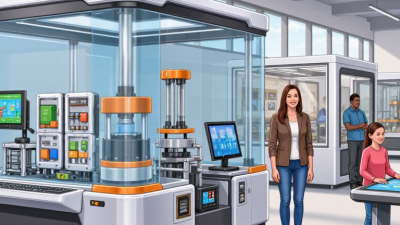
Experience equipment now serves museums, science centers, retail spaces, and visitor attractions across China. Designers combine projection, motion sensors, touchscreens, and physical controls to make exhibits feel responsive. A child might turn a wheel and watch a projected waterway change direction. In a training center, the same principles can support realistic practice without relying on screens alone. Good design starts with the visitor’s task, not the latest hardware. Clear instructions and comfortable reach distances often matter more than visual effects.
Tips: Test a working prototype with real visitors. Watch where they pause, miss a cue, or press too hard. Keep controls easy to reset. Use readable labels, adjustable sound, and pathways that accommodate different mobility needs. Small details matter.
Current design trends favor modular equipment, flexible content, and sensor-driven interaction. Modular parts can simplify repairs and allow an exhibit to evolve as visitor needs change. Designers are also paying closer attention to heat, glare, cleaning, and daily maintenance. These practical factors shape whether an engaging installation stays reliable after months of use. One trade-off remains: adding sensors can create richer responses, but it can also make troubleshooting harder. Not every interactive feature improves the experience. A quiet, intuitive exhibit may work better than a spectacular one that visitors cannot understand.
Common refresh-rate modes used in immersive display equipment. These are technical display modes—not market-share or manufacturer-sales figures.
Higher refresh rates can support smoother motion in VR and other interactive experiences. The achievable rate depends on the display hardware and the content rendering performance.
JK Machinery a.s.
Psohlavců 322/4, Praha 4,
Czechia
T: +420 777 610 380
E: sale@roll-formingmachinery.com