7 Best Food Processing Equipment Design Tips?
Designing food processing equipment demands more than selecting stainless steel and powerful motors. The design of food processing equipment affects product safety, cleaning efficiency, worker safety, production speed, and long-term operating costs. A poorly positioned valve can trap residue. An awkward access panel can delay maintenance. Small details matter.
This guide presents seven practical design tips for engineers, plant managers, and equipment buyers. It examines hygienic construction, clean-in-place performance, drainage, material selection, thermal control, operator access, and maintenance planning. Each recommendation connects technical decisions with real factory conditions, such as foam around a mixing vessel, moisture near electrical cabinets, or repeated vibration at a conveyor joint. These details often reveal weaknesses that drawings fail to show.
Reliable equipment design begins with evidence, not assumptions. Engineers should consult experienced operators, maintenance teams, sanitation specialists, and applicable food safety standards before approving a design. Testing should confirm cleanability, temperature accuracy, flow behavior, guarding, and emergency access. A polished prototype can still disappoint. Mistakes still happen. A drain may sit too low. A sensor may be difficult to replace. Reflecting on these failures improves future decisions and reduces avoidable downtime. The following tips offer a practical framework for building safer, more efficient, and easier-to-maintain food processing systems.
Define Production Goals and Processing Requirements
Before selecting equipment, define the product, target volume, and acceptable process variation. A sauce line needs different controls than a frozen vegetable line. Record batch size, hourly throughput, moisture range, temperature limits, allergen controls, and cleaning frequency. The Food and Agriculture Organization reports that 13.2% of food is lost between harvest and retail globally. Poor yield targets can worsen that loss.
Translate goals into measurable design requirements. Specify product contact materials, drainage angles, inspection points, changeover time, and operator access. Deloitte’s 2023 Smart Manufacturing Survey found that 86% of manufacturers expect smart manufacturing to become a major competitiveness factor within five years. However, adding sensors without a clear production objective creates expensive noise. In commissioning work, teams often discover that their original throughput estimate was optimistic. That deserves review.
Tip: Build a simple requirement sheet before requesting quotations. Include current output, future capacity, utility limits, cleaning chemicals, and required data records. Test the process with realistic ingredients, not laboratory-perfect samples. Ask whether the equipment can handle the smallest planned batch without unstable heating or excessive waste. Leave room for human error. Operators may load unevenly, and maintenance may take longer than planned. A strong design anticipates these imperfect moments.
Design Equipment for Efficient Workflow and Product Flow
7 Best Food Processing Equipment Design Tips?
Design Equipment for Efficient Workflow and Product Flow
Food processing equipment design should make product flow visible, short, and easy to control.
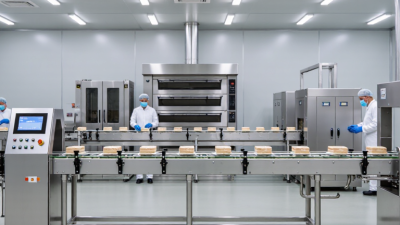
Start with a simple floor map. Mark receiving, washing, cutting, cooking, cooling, packing, and dispatch zones. Keep forward movement wherever possible. This reduces crossing paths, waiting, and backtracking.
Design equipment heights around operators, not only machines. Include adjustable platforms and reachable controls to reduce strain during long shifts.
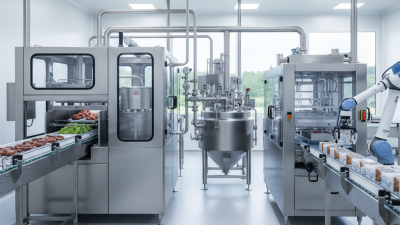
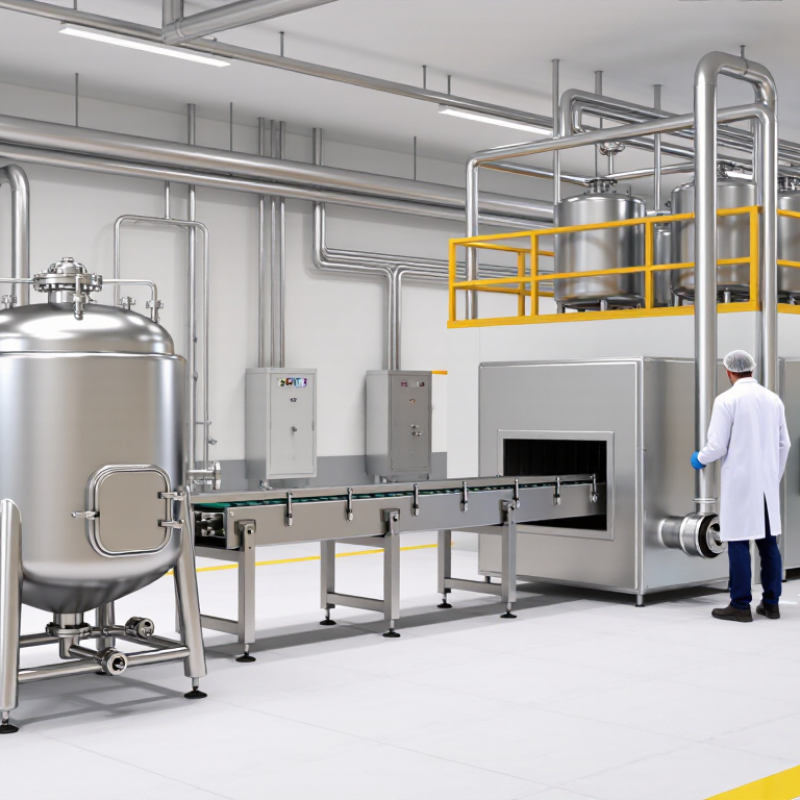
Use smooth transfers between conveyors, pumps, and vessels. Match speeds carefully. A fast conveyor feeding a slow filler creates a queue within minutes. Choose hygienic surfaces, rounded corners, sealed joints, and drainable frames. Leave clearance for inspection tools and cleaning access.
Place sensors at transfer points to detect gaps, jams, or unexpected surges. Separate raw and finished product routes with physical distance or controlled barriers.
Design for change, not just today’s recipe.
Quick-release parts and flexible line sections can support different batch sizes. Yet flexibility can become clutter. I have seen useful modules stored beside the line, blocking access. Define parking spaces for tools, hoses, and spare parts.
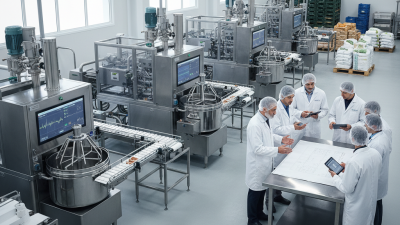
Have a qualified process engineer review the layout and documented risks. Test the workflow with water, empty containers, and timed operator trials before commissioning.
Record actual delays, because drawings rarely show every hesitation. Then revise the layout.