Top Special Welding Materials for Global Buyers to Consider?
In today's competitive manufacturing landscape, global buyers need to carefully consider their options for welding materials. The right choice can significantly affect production quality and cost efficiency. Among the various products available, Die Special Welding Materials stand out for their unique properties that cater to specific applications. These materials are designed to withstand extreme conditions, making them indispensable in many industries.
Navigating the myriad of options can be challenging. Buyers must evaluate each material's strength, flexibility, and compatibility with existing processes. Reliable suppliers often provide detailed specifications and past performance records to aid in decision-making. It's essential to ask critical questions to ensure that chosen materials are not only suitable but also cost-effective.
While there is an abundance of welding materials, not all will meet every requirement. Reflection on past experiences with various types can help inform better choices. A deeper understanding of Die Special Welding Materials and their applications can lead to enhanced outcomes in production. As trends and technologies evolve, remaining aware of advancements in welding materials is crucial for maintaining a competitive edge.
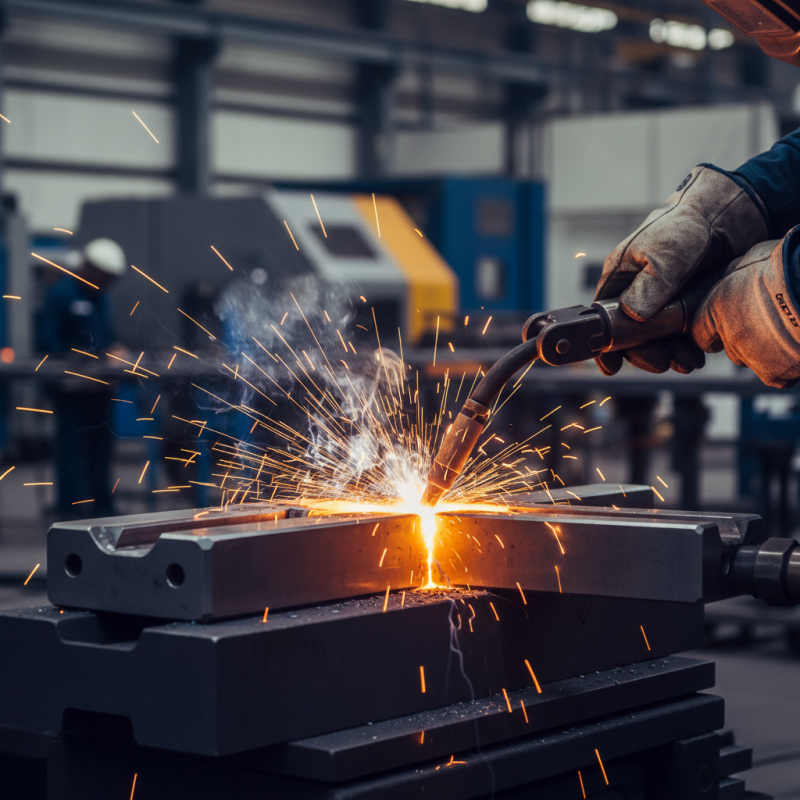
Overview of Special Welding Materials in the Global Market
The global market for special welding materials is expanding rapidly. According to a recent industry report by Research and Markets, the welding materials segment is expected to reach USD 25 billion by 2027, driven by increasing demand in sectors like automotive, construction, and manufacturing. Innovative materials are emerging to meet specific applications, which raises the interest of global buyers seeking efficiency and quality.
The diversity of available welding materials can be staggering. They range from advanced alloys that enhance strength to specialized electrodes that improve conductivity. For instance, the use of nickel-based superalloys is rising. These materials can withstand high temperatures and corrosive environments, making them essential for industries like aerospace. Surprisingly, not all buyers are aware of the benefits these materials can offer. Many firms still rely on traditional options, potentially missing out on such advancements.
Welding technology is continuously evolving. However, with innovation comes complexity. Buyers need to navigate various choices, which can be overwhelming. Additionally, understanding the specific requirements for different projects is crucial. A one-size-fits-all approach often results in inefficiencies. Awareness and research into industry trends and material properties can significantly affect project outcomes. Engaging with experts and keeping informed about new developments will strengthen decision-making processes.
Key Factors to Consider When Selecting Welding Materials
When selecting welding materials, several key factors come into play. Understanding the type of project is crucial. Different applications require different materials. For instance, high-strength steel may be essential for structural applications, while aluminum may be appropriate for lightweight designs.
Consider the mechanical properties of the materials. According to a report from the American Welding Society, around 80% of welding failures are attributed to poor material selection. This statistic highlights the importance of choosing materials with the right tensile strength and ductility. It’s important to match the material's properties with the operational environment. Temperature fluctuations and exposure to corrosive substances can impact performance.
Cost is another critical factor. While it might be tempting to opt for cheaper options, low-cost materials can lead to higher long-term expenses due to maintenance and replacement. A recent survey indicated that over 65% of project managers prioritize initial cost savings, only to face challenges later. This often results in reevaluating material choices halfway through the project. Assessing all these factors leads to more informed decisions and successful outcomes.
Top Specialty Welding Materials for Different Industries
When discussing specialty welding materials, different industries have unique requirements. For instance, the aerospace sector often uses high-performance materials such as titanium and nickel alloys. These materials offer superior strength and temperature resistance, crucial for high-altitude applications. According to a recent industry report, the demand for specialty materials in the aerospace industry has grown by 5% annually. This trend reflects the increased focus on lightweight yet durable components.
In the construction industry, stainless steel remains a top choice for welding. Its corrosion resistance is vital for structures exposed to harsh environments. The material's adaptability makes it popular for both residential and commercial projects. An analysis by welding experts revealed that about 60% of construction professionals prefer stainless steel for its longevity and low maintenance. However, challenges remain in terms of welding techniques and ensuring strong joints.
The automotive industry demands materials that enhance fuel efficiency and safety. Lightweight alloys play a significant role here. A recent survey indicated that 70% of automotive manufacturers prioritize such materials in their production processes. Nonetheless, achieving optimal weld quality can be tricky. Factors such as material thickness and joint design often lead to inconsistent results. Industry feedback suggests a need for enhanced training and better equipment to address these issues.
Emerging Trends in Welding Material Technology
The landscape of welding materials is rapidly evolving. Emerging trends in welding technology focus on innovative methods and advanced materials. One notable development is the rise of hybrid welding processes. These combine traditional and modern techniques to enhance efficiency. The result is improved penetration and reduced thermal distortion in welded joints.
Another trend gaining traction is the use of high-performance alloys. These materials offer excellent resistance to corrosion and heat. They are becoming essential in industries such as aerospace and automotive. However, the challenge lies in the complex manufacturing processes required for these materials.
Adoption of environmentally friendly materials is also on the rise. Bio-based welding consumables are being explored. They reduce carbon footprints while maintaining strength and durability. Yet, there are concerns regarding their overall performance compared to conventional options. Manufacturers must evaluate these trade-offs carefully. The welding community is in a state of flux, and though advancements are promising, not all emerging technologies have proven their reliability and effectiveness yet.
Comparative Analysis of Global Suppliers and Their Offerings
When choosing welding materials, global buyers face a vast array of options. Different suppliers offer unique products, each with varying specifications, qualities, and prices. This makes it crucial to analyze these suppliers comprehensively. Certain materials excel in specific environments, while others are more versatile but may lack in certain areas.
Some suppliers emphasize quality control, ensuring consistency in their materials. However, not all suppliers adopt the same rigorous standards. Buyers must scrutinize certification processes and supplier reputations. Factors such as the source of raw materials and sustainability practices also play a significant role. Even among top-tier suppliers, there can be inconsistencies in availability and lead times, which necessitate flexibility from buyers.
Beyond materials, customer service and technical support are vital considerations. Some suppliers may provide extensive training and resources for their clients, while others fall short. This can lead to challenges during the welding process, impacting the overall project outcome. Buyers should seek feedback from past clients to gauge reliability and performance. Balancing price with quality and support is often an ongoing challenge for buyers in this competitive landscape.