Ask us


A Diaphragm Slitting Machine can look simple from the aisle: a wide separator roll, narrow blades, and finished reels. In practice, every cut matters. Edge burrs, uneven tension, or wandering material can damage a delicate film and disrupt downstream cell assembly. Buyers comparing top manufacturers should look beyond advertised speed. Blade control, web guiding, dust management, changeover time, and after-sales support all shape real production performance.
The demand context is substantial. The International Energy Agency’s Global EV Outlook 2024 reports that electric-vehicle battery demand reached about 750 GWh in 2023, roughly 40% above 2022. That figure does not measure slitting-machine sales. It does show why reliable, repeatable separator processing matters as battery production scales. Small defects can become expensive when a line runs continuously.
Battery scientist Dr. Shirley Meng is a useful voice on the broader manufacturing challenge. A paraphrase of her perspective—not a verbatim quotation—is: “Advanced battery materials need manufacturing processes that can reproduce their quality at scale.” That principle fits slitting closely. A capable machine should hold narrow tolerances across long runs, not only during a showroom trial. Ask manufacturers for application-specific test results, sample reels, and documented inspection methods. Watch the web pass through the machine. Listen for unstable tension. Look closely at the cut edges. No machine is perfect, and published specifications rarely tell the whole story. This guide compares leading manufacturers through practical criteria, while recognizing that the best choice depends on separator material, target width, throughput, and the support available after installation.
What Is a Diaphragm Slitting Machine?
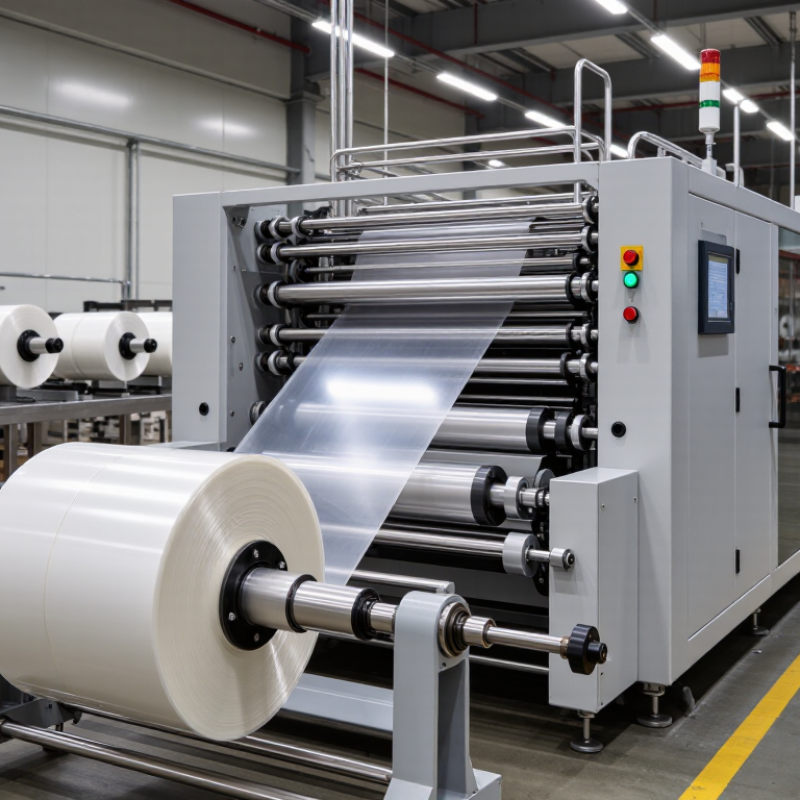
A diaphragm slitting machine cuts wide rolls of thin, porous separator film into narrower rolls. This film is used in battery cells, where it separates electrodes while allowing ions to move through its pores. The machine typically includes an unwind station, tension controls, slitting knives, and rewind shafts. Each part helps guide the delicate web without stretching or wrinkling it.
Small defects matter. A blunt knife can leave rough edges, while uneven tension may cause wrinkles or telescoping rolls. Operators set blade spacing to match the required width and check samples for edge quality, roll alignment, and visible damage. Clean handling is important because dust or loose particles can affect the film. Inspection methods and acceptable limits depend on the material and production requirements.
In practice, stable performance takes adjustment. Changes in film thickness, roll diameter, or room conditions can affect web tension and cutting results. A setup that worked yesterday may need attention today. That is not always obvious at first. Regular checks of blades, tension readings, and finished roll edges help teams spot problems early, though no single setting suits every diaphragm material.
| Dimension | Information | Practical Consideration |
|---|---|---|
| Machine definition | A diaphragm slitting machine converts a wide roll of thin separator film into narrower rolls by making continuous longitudinal cuts. | It is used in battery-material processing, where slit width, edge quality, and contamination control are important. |
| Typical materials | Microporous polymer separator films, commonly made from polyethylene (PE), polypropylene (PP), or multilayer PE/PP structures. | Material thickness, porosity, coating, and mechanical properties affect blade selection, tension settings, and handling. |
| Slitting methods | Common methods include shear slitting with a rotary knife pair and razor slitting with a sharp blade. Crush-cutting may be used for some materials. | The best method depends on film properties and required edge quality; trials with the actual material are advisable. |
| Core machine sections | A typical line includes an unwind stand, web-guiding system, tension-control equipment, slitting station, rewind station, and safety enclosures. | Integrated control of web alignment and tension helps reduce wrinkles, wandering, and uneven winding. |
| Slit-width capability | Available slit widths vary by machine configuration, tooling, and product specification; there is no single universal range for all lines. | Confirm minimum and maximum slit widths, number of lanes, changeover method, and achievable width tolerance with the supplier. |
| Speed and output | Operating speed is determined by the machine design, material, slit pattern, winding requirements, and quality limits. | Compare demonstrated production speed on a similar separator film rather than relying only on a maximum speed specification. |
| Tension control | Unwind, slitting, and rewind tension are managed to keep the thin web stable throughout the process. | Suitable tension control helps prevent stretching, slack edges, telescoping rolls, and other winding defects. |
| Web guiding and alignment | Edge sensors and guiding equipment can correct lateral movement of the incoming web or control its position during processing. | Sensor placement and response should suit the web width, line speed, and required slit-position accuracy. |
| Blade and tooling setup | Blade type, overlap or clearance, mounting accuracy, and maintenance condition influence the cut. | Ask about tool-change time, blade life, setup repeatability, and procedures for inspecting cut edges. |
| Quality checks | Common checks include slit-width measurement, edge inspection, roll hardness and alignment, and verification of material traceability. | Inspection criteria should be matched to the separator specification and downstream battery-production requirements. |
| Cleanliness and safety | Separator processing may require controlled cleanliness, enclosed cutting areas, dust management, and guarding around moving parts. | Confirm applicable site requirements, operator safeguards, cleaning procedures, and the machine’s provisions for handling debris. |
| Manufacturer evaluation | Compare suppliers by material-processing experience, machine configuration, technical support, spare parts, and documented quality procedures. | Request a material trial, sample rolls, a detailed specification, and references for comparable applications before purchase. |
Note: Machine performance and achievable tolerances depend on the material, tooling, configuration, and operating conditions. Confirm production requirements through a technical review and material trial.

JK Machinery a.s.
Psohlavců 322/4, Praha 4,
Czechia
T: +420 777 610 380
E: sale@roll-formingmachinery.com


