Choosing Alkaline Water Hydrogen Production Equipment is not just a matter of comparing nameplate capacity. The right system must fit the project’s hydrogen demand, available utilities, site conditions, and operating schedule. A unit designed for steady production may not suit a facility with frequent start-ups or changing loads. Small details matter. Water quality, cooling needs, electrical supply, and access for maintenance can all affect performance after installation.
A useful evaluation begins with verified operating data. Review the manufacturer’s stated production range, energy consumption, hydrogen purity, and operating limits, then ask how those figures were tested. Confirm what equipment is included, such as gas treatment, controls, and water preparation. These items can change both the footprint and the total cost. Safety systems and clear operating procedures deserve close attention, too. Reliable suppliers should explain commissioning, spare-parts availability, and service support in practical terms—not just offer broad assurances. Independent technical review can help identify gaps before purchase. No selection is perfect, and small projects can underestimate maintenance access. That is easy to miss on a drawing. The seven tips in this guide offer a structured way to compare equipment, ask better questions, and avoid choices based on price alone. They are not a substitute for engineering review, but they can make early decisions more grounded.
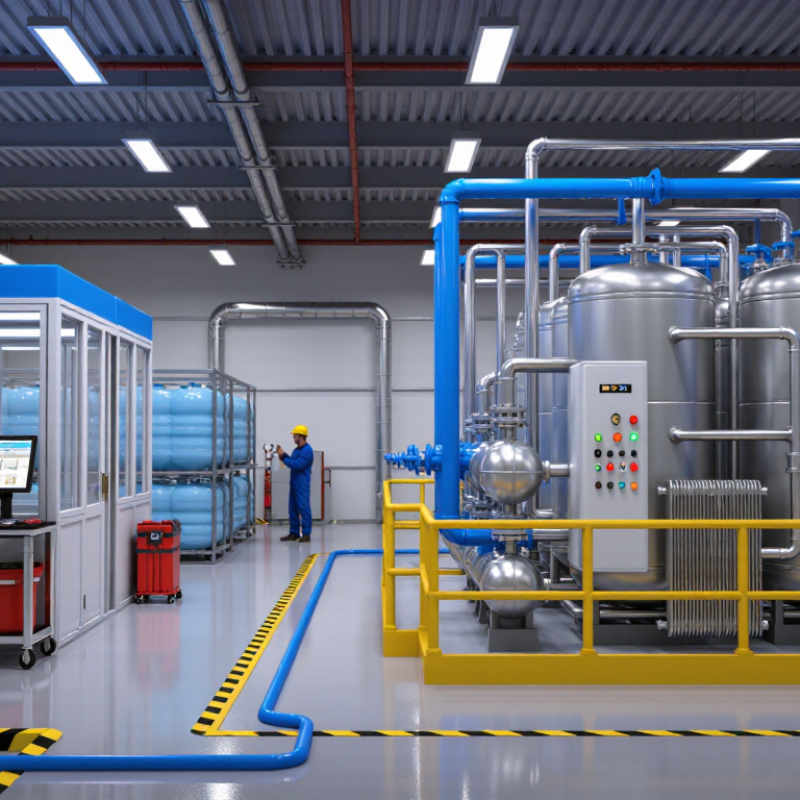
Alkaline hydrogen water equipment uses an electrical current to split water molecules. At the cathode, hydrogen gas forms; oxygen forms at the anode. In many systems, an ion-selective membrane keeps the gases apart while allowing charged particles to move. The exact design varies. Some countertop units use replaceable filters, while others need regular cell cleaning.
The hydrogen produced must dissolve into the water before drinking. It does not stay dissolved indefinitely, so fresh output and prompt use matter. Look for a clear explanation of the device’s production rate and how that figure was measured. A pH reading alone cannot confirm dissolved hydrogen. Neither can oxidation-reduction potential; it may shift with water chemistry. A suitable dissolved-hydrogen test is more informative.
Small details count. Check whether your tap water suits the unit, and follow its cleaning and filter schedule. Mineral buildup can cloud a cell’s surface and affect performance. Keep the equipment ventilated, especially during production, and never block its gas outlets. A display can look reassuring, but it is not a substitute for maintenance. It is easy to focus on advertised output and overlook the water going in. That’s worth reconsidering.
In alkaline electrolysis, direct current splits water into hydrogen at the cathode and oxygen at the anode. The balanced reaction produces hydrogen and oxygen in a 2:1 molar ratio. Use this principle when assessing equipment design and gas separation; actual output depends on operating conditions and equipment specifications.
Before comparing alkaline water hydrogen production equipment, estimate how much water you will use on an ordinary day and during your busiest hour. Peak demand matters. A system rated for ample daily output may still refill too slowly when several people need water at once. Note whether you need continuous flow or can use a storage tank, and allow room for cleaning and routine maintenance.
Define the hydrogen level you require at the point of use, usually expressed as dissolved hydrogen in milligrams per liter. Do not confuse this figure with the machine’s hydrogen production rate or water’s pH; they describe different things. Ask how the stated level was measured, when the sample was taken, and whether storage time changes the result. Numbers need context.
Check the equipment under conditions close to your own, including source-water quality, temperature, and expected flow. If possible, test a measured sample soon after production and again after it sits in your usual container. A spreadsheet can help, but it may miss the small delays of a busy kitchen. Be precise, yet leave a little margin: real demand is rarely as neat as an estimate.
Choosing hydrogen equipment starts with the water, not the brochure. Alkaline systems circulate a liquid alkaline electrolyte, while PEM systems use a solid polymer membrane. Both need controlled feedwater, but their treatment and maintenance requirements differ. Ask for the permitted conductivity, silica, chloride, and hardness levels, then compare them with your actual source-water test. A clear sample can still contain dissolved minerals.
Check the complete water-treatment train and its operating limits. Hardness can form scale; chloride and other contaminants may damage components or shorten service life. PEM systems generally demand very high-purity water, while alkaline units also need careful electrolyte management. Request documented water specifications, sampling frequency, and operating data at your expected temperature and load. Small details matter. A drain line, for example, can reveal whether routine maintenance is practical.
The International Energy Agency’s Global Hydrogen Review 2024 reports about 1.4 GW of installed water-electrolysis capacity worldwide by the end of 2023, with roughly 700 MW added that year. That growth makes performance comparisons useful, but nameplate output alone is not enough. Compare measured energy use, start-up behavior, water consumption, and performance under variable loads. ISO 22734:2019 covers safety requirements for hydrogen generators using water electrolysis; it does not replace checking site-specific water compatibility. I would still treat supplier claims cautiously unless test conditions are stated.
| Tip | What to Compare | Alkaline Electrolysis | PEM Electrolysis | What to Verify Before Buying |
|---|---|---|---|---|
| 1 | Identify the cell technology | Uses an alkaline electrolyte, commonly potassium hydroxide in industrial systems. The electrolyte and cell design affect servicing and operating requirements. | Uses a proton-exchange membrane as the electrolyte. The membrane separates the product gases and requires suitable water quality. | Confirm the actual cell type and whether the unit is designed for drinking-water production, laboratory use, or industrial hydrogen generation. |
| 2 | Check permitted feedwater | Feedwater requirements differ by design. Some units accept specified potable water; others require treated or demineralized water. | Typically requires low-contaminant, low-mineral water to protect the membrane and electrodes; exact limits depend on the equipment. | Request the manufacturer’s feedwater specification, including allowed conductivity or resistivity, and follow it rather than assuming tap water is suitable. |
| 3 | Assess hardness and scale risk | Calcium and magnesium can form deposits and reduce performance when they accumulate in the cell or water passages. | Mineral deposits can also impair membranes, flow paths, and electrodes; low-mineral feedwater is commonly recommended. | Test source-water hardness and ask whether pretreatment, a replaceable filter, or periodic descaling is required. |
| 4 | Review chlorine and other contaminants | Chlorine, chloramines, and other water constituents may affect materials or water quality, depending on the cell construction. | Contaminants can affect membrane and electrode durability, so pretreatment may be needed for the specified feedwater. | Check the unit’s limits for disinfectants, silica, iron, and organic matter. Use only treatment methods approved for that model. |
| 5 | Compare hydrogen output and measurement | Output depends on current, cell area, temperature, pressure, and system design; “alkaline” alone does not indicate production capacity. | Output also depends on operating conditions and system design; PEM technology by itself does not guarantee a particular concentration in the water. | Compare rated hydrogen production using the same units and test conditions. For water devices, ask how dissolved hydrogen is measured and under what sampling conditions. |
| 6 | Understand maintenance and consumables | Maintenance may include electrolyte management in industrial systems, plus inspection of seals, electrodes, and water passages. Requirements vary by design. | Maintenance may include water pretreatment and replacement of filters or other service parts; membrane service life depends on operating conditions. | Get a written maintenance schedule, consumables list, cleaning procedure, and expected replacement intervals for the specific model. |
| 7 | Check safety and intended use | Hydrogen and oxygen are produced during electrolysis. Ventilation, leak control, electrical protection, and safe gas handling are important. | Hydrogen and oxygen are also produced; safe separation, ventilation, pressure control, and electrical protection are essential. | Confirm applicable safety certifications, operating limits, and instructions. Do not use an appliance outside its stated purpose or make health claims based solely on hydrogen output. |
Note: Water-quality limits, output ratings, and maintenance intervals are model-specific. Always compare the published technical specifications and use feedwater that meets the selected equipment’s requirements.
Before comparing output claims, inspect the safety systems. Hydrogen can collect in poorly ventilated spaces, so look for clear ventilation requirements, leak detection, and automatic shutoff controls. Pressure relief devices should be accessible and described in the manual. Small details matter. Check whether the unit has electrical protection and alarms suited to its intended operating environment.
Materials matter just as much. Alkaline solutions can affect metals, seals, and tubing over time. Ask what materials contact the electrolyte, and check the manufacturer’s compatibility data rather than relying on a polished exterior. Look for corrosion-resistant components and replaceable seals. Ask for proof. If material grades or maintenance intervals are vague, request written clarification before purchase.
Review certifications and test reports for the exact model, not merely the product family. Confirm which independent organization issued them and what each document actually covers: electrical safety, pressure components, or another feature. Paperwork can look reassuring, yet an outdated certificate may not apply to a revised design. No shortcut here. Have a qualified technician assess installation needs, especially ventilation and electrical supply. I’d also compare the manual’s inspection schedule with the time and skills available on site; a technically sound unit can still be a poor fit if routine checks are unrealistic.
Tip: Ask for a written maintenance schedule before comparing equipment. It should list routine checks, recommended cleaning, and replacement intervals for items such as filters, seals, and electrodes. Confirm which tasks your staff can handle and which require a trained technician. A clear parts list helps, too. Tiny details matter.
Tip: Read the warranty terms closely. Check its duration, covered components, labor costs, and exclusions related to water quality or installation. Ask how a service request is documented and what evidence you must keep. A long warranty sounds reassuring, but unclear coverage can still leave costly gaps. Keep operating logs from day one.
Tip: Test supplier support before purchase. Request a sample maintenance guide and ask who handles troubleshooting after installation. Find out typical response times, technician availability, and whether essential parts are stocked locally. Put promised support in writing. It is easy to focus on production figures and overlook service access; I would not assume a quick reply just because one came during a sales discussion. If possible, speak with an operator using similar equipment and ask what maintenance actually takes each month.
JK Machinery a.s.
Psohlavců 322/4, Praha 4,
Czechia
T: +420 777 610 380
E: sale@roll-formingmachinery.com