What is a Rotary Cylinder and How Does It Work?
A Rotary Cylinder is a pivotal device in various mechanical systems. Its unique design allows it to convert linear motion into rotary motion effectively. This functionality has made it popular across industries, from automotive to aerospace.
Understanding the operation of a Rotary Cylinder requires knowledge of its components. It typically consists of a cylinder, a piston, and a shaft. When the piston moves, it rotates the shaft. This simple yet efficient mechanism performs essential tasks. However, it is crucial to recognize that not all Rotary Cylinders are created equal. Some may wear down quicker than others, impacting performance.
In many applications, precision is key. A faulty Rotary Cylinder can lead to inefficiencies. Engineers must assess and choose the right model for specific needs carefully. Observations from various industries illustrate the importance of maintenance and quality checks. Awareness of these factors can enhance the reliability of a Rotary Cylinder in any application.
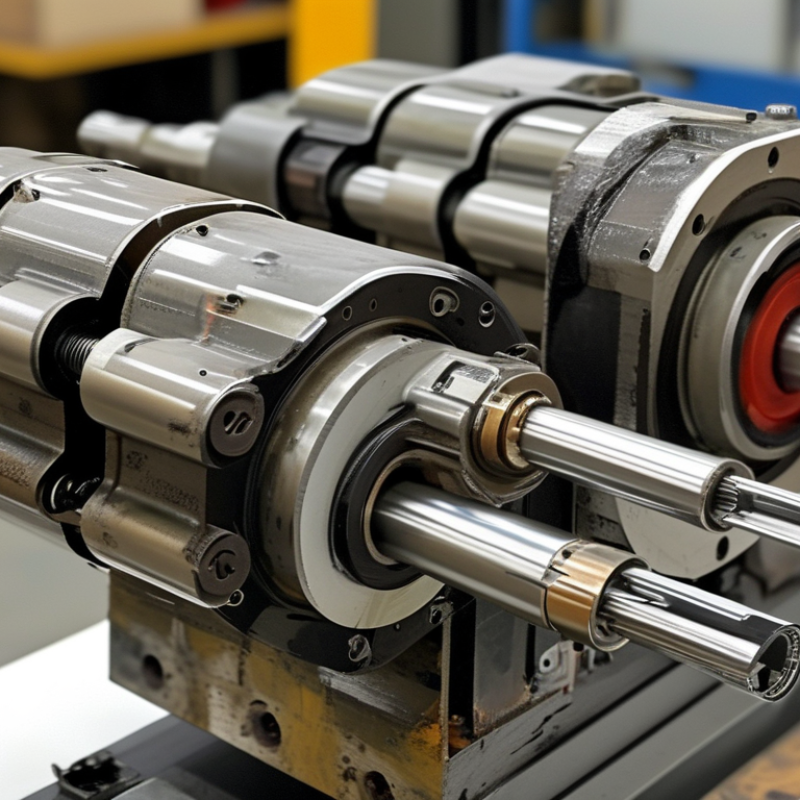
Definition and Basic Structure of a Rotary Cylinder
A rotary cylinder is a critical component in various mechanical systems. Its primary function is to convert linear motion into rotary motion, or vice versa. Understanding the basic structure of a rotary cylinder helps in grasping its operational mechanisms.
The structure typically consists of a cylindrical body, end caps, and internal components like pistons or vanes. The cylinder's interior is often divided into chambers, which serve specific purposes during operation. When pressurized fluid enters, it moves the pistons. This action rotates the cylinder, driving machinery or actuators connected to it. The design of these cylinders allows for high efficiency and precision, making them suitable for many applications.
However, despite their effectiveness, rotary cylinders are not without drawbacks. Proper alignment is crucial for them to function correctly. Misalignment can lead to increased wear and tear. Maintenance is essential to ensure longevity and optimal performance. Regular inspections can help identify potential issues. Yet, operators often overlook this aspect, leading to unexpected failures. Understanding the nuances of rotary cylinder operation can significantly enhance its reliability and efficiency in various applications.
Rotary Cylinder Efficiency Analysis
This chart presents the performance metrics of a rotary cylinder, including efficiency, power output, and heat generation. These metrics are essential for understanding the operational capability and thermal management of rotary cylinder systems.
Principle of Operation in Rotary Cylinders
Rotary cylinders operate based on the principle of converting rotary motion into linear motion. This mechanism is essential in various industries, including manufacturing and robotics. A rotary cylinder typically consists of a cylinder containing a rotor, which when turned, displaces an internal piston. This transformation allows for precise control of motion, an attribute highly valued in automated systems.
The efficiency of rotary cylinders is backed by industry reports. For instance, a study by the International Mechanical Engineering Association indicated that rotary actuators could reduce energy consumption by up to 30% compared to traditional linear systems. This remarkable efficiency stems from their ability to maintain high torque while minimizing energy loss. Companies report that adopting rotary cylinders has led to increased productivity in assembly lines, emphasizing reliability and reduced downtime.
However, challenges do exist. Some users may encounter issues with alignment, impacting overall performance. Additionally, the initial installation can be complex, requiring skilled technicians. It's essential for operators to continually assess and calibrate their systems. While rotary cylinders offer substantial benefits, understanding their limitations is equally important for optimizing their use in various applications.
Applications of Rotary Cylinders in Industry
Rotary cylinders are vital components in many industrial applications. Their design allows for efficient movement and control of materials. In manufacturing processes, these cylinders provide reliable force and motion. Industries such as automotive, packaging, and food processing heavily rely on them.
In the automotive industry, rotary cylinders help in assembly lines. They automate tasks like tightening bolts or manipulating parts. This increases efficiency and reduces manual labor. In packaging, these cylinders fill and seal products quickly. They adjust to various package sizes, improving versatility. The food industry also benefits, as these cylinders handle sensitive products without damaging them.
Despite their advantages, rotary cylinders are not without challenges. Maintenance can be complex, requiring skilled technicians. Issues like pressure fluctuations can affect performance. Companies must invest in proper training and resources to mitigate these risks. Balancing efficiency with reliability is an ongoing process in many sectors.
Advantages of Using Rotary Cylinders Over Other Mechanisms
Rotary cylinders are often praised for their efficiency in various applications. One of their main advantages is their smooth operation. Unlike traditional linear actuators, rotary cylinders provide consistent torque throughout their movement. This results in less wear on components and longer service life. Additionally, they often require less space for installation, making them suitable for compact setups.
When considering various mechanisms, rotary cylinders excel in speed and versatility. They can easily convert rotary motion into linear force, allowing for a wide range of applications. Many industries, from automotive to manufacturing, benefit from this adaptability. Users often find that rotary cylinders can handle different loads with ease, offering flexibility that other systems may lack.
Tips: Always evaluate your specific application needs. Look for systems that match your operational environment. Experimenting with different configurations can reveal unexpected benefits. Performance can sometimes vary based on usage, so monitoring results is crucial. Regular maintenance is also key to longevity. Consider routine inspections to catch any potential issues early. This proactive approach can prevent downtime and enhance overall reliability.
What is a Rotary Cylinder and How Does It Work? - Advantages of Using Rotary Cylinders Over Other Mechanisms
| Feature | Rotary Cylinder | Other Mechanisms |
| Operating Principle | Converts rotary motion into linear motion | Usually relies on linear motion directly |
| Efficiency | High energy efficiency | May have higher energy losses |
| Durability | Long lifespan with minimal maintenance | May require frequent maintenance |
| Space Requirement | Compact design | Usually larger and less space-efficient |
| Control | Precise control over motion | Lesser control precision |
| Applications | Robotics, automation, and packaging | General mechanical applications |
Maintenance and Troubleshooting Tips for Rotary Cylinders
Regular maintenance of rotary cylinders is crucial for optimal performance. Start by checking the seals for wear and tear. Damaged seals can lead to leaks, which compromise efficiency. Keep an eye on the cylinder’s lubrication. Insufficient lubrication causes excessive friction, leading to faster degradation.
Routine inspection can help you catch issues early. Look for unusual noises or vibrations. These can indicate alignment problems or internal wear. If you notice any irregularities, it’s best to consult a professional. They can provide a thorough diagnosis. Sometimes, a small adjustment can prevent major damage.
When troubleshooting, consider environmental factors. Dust and debris can adversely affect the cylinder's operation. Ensure the installation area is clean. If problems persist, document the symptoms. This information is vital for technicians to identify issues accurately. Regular care and attention can enhance the lifespan of your rotary cylinder.