Top Production Line Equipment Trends for 2026 What to Expect?
The landscape of production line equipment is evolving rapidly. As we approach 2026, trends in this sector are more important than ever. Innovations will not only enhance efficiency but also redefine how manufacturers operate. The integration of technology plays a central role in this transformation.
In recent years, we have seen significant advancements in automation and robotics. These technologies are becoming standard in production lines. They promise to reduce labor costs and improve precision. Yet, with these advancements, challenges such as cybersecurity and workforce adaptation remain. Companies must reflect on how to integrate these tools effectively.
Sustainability will also shape production line equipment trends. Manufacturers are increasingly focusing on eco-friendly solutions. This shift is due, in part, to consumer demand for greener products. It creates an opportunity for organizations to lead in sustainability while optimizing operations. Overall, the journey towards 2026 presents both exciting advancements and critical reflections for the industry.
Emerging Automation Technologies in Production Lines by 2026
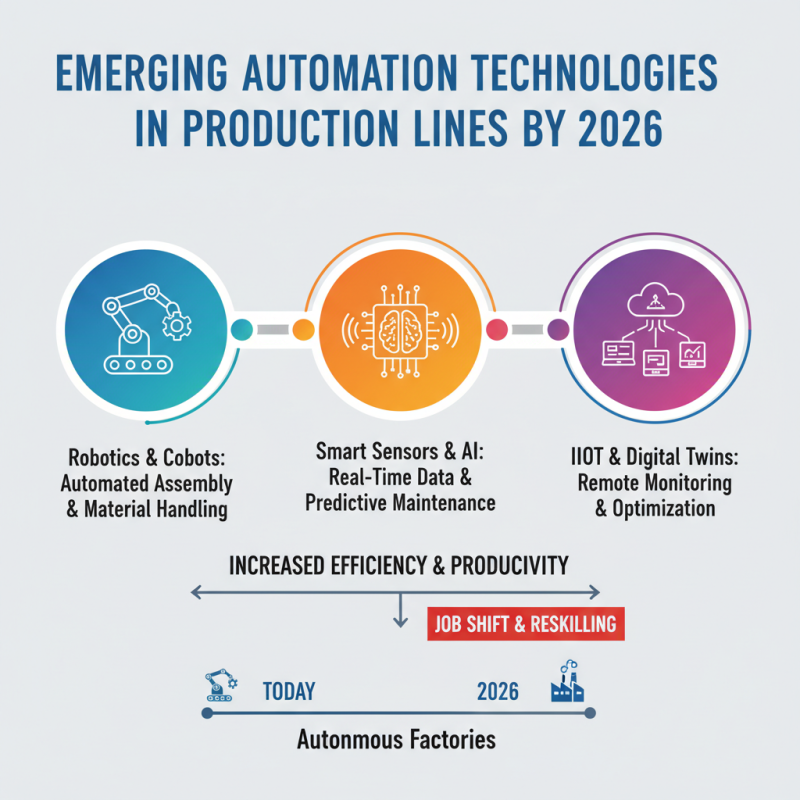
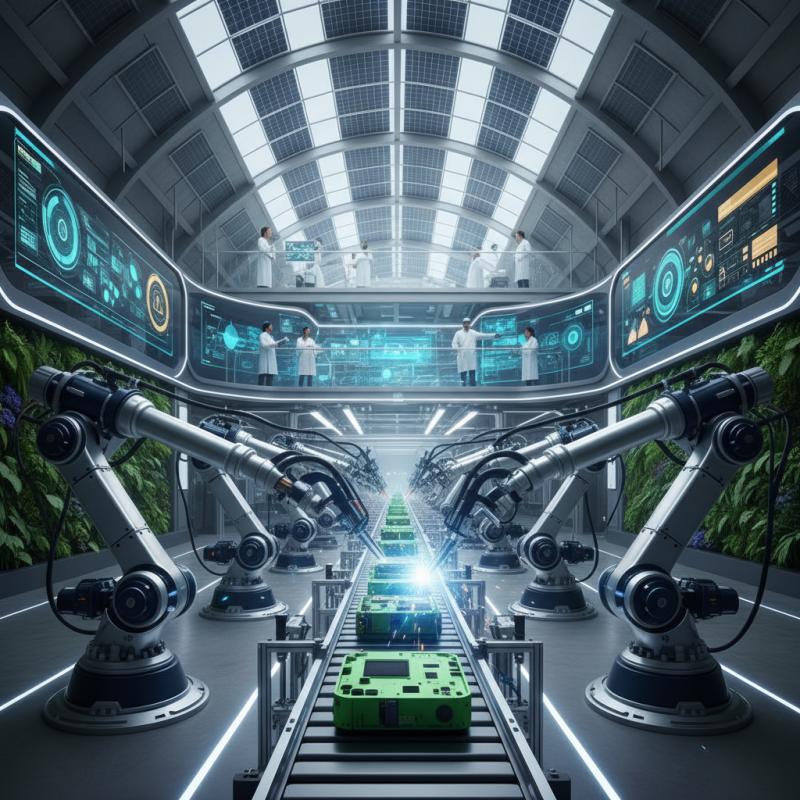
As we look toward 2026, automation technologies are set to drastically reshape production lines. Robotics will take center stage, streamlining tasks that once required human intervention. Smart sensors will gather and analyze data in real-time, enabling very effective decision-making. This shift promises efficiency but also raises questions about job displacement.
Artificial intelligence will enhance predictive maintenance. Machines will learn from past data to forecast breakdowns. This proactive approach reduces downtime and saves costs. Yet, it challenges traditional workforce skills, requiring workers to adapt and learn new technology. The learning curve could lead to inconsistencies in production processes as employees adjust.
Integration of IoT will create connected production environments. Machines will communicate and coordinate, improving overall productivity. However, the complexity of such systems could lead to security vulnerabilities. Companies must remain vigilant against cyber threats. Balancing innovation with risk management will be essential. As these trends emerge, adaptability and training will be key factors for success in evolving production landscapes.
Sustainable Manufacturing Practices Shaping Production Equipment Trends
Sustainable manufacturing practices are transforming the production landscape. As businesses become more eco-conscious, the shift toward eco-friendly production equipment is essential. In 2026, expect to see a surge in energy-efficient machines. These advancements focus on reducing carbon footprints. Companies are investing in technology that minimizes energy consumption. This shift not only benefits the environment but also reduces operational costs.
Recycling and waste reduction are also critical trends. Equipment designed for material recovery will rise in popularity. This includes machines that streamline recycling processes. Many manufacturers face challenges in adopting these technologies due to initial costs and complexity. Despite these hurdles, the long-term benefits can outweigh the short-term difficulties. Companies that integrate sustainable practices often see enhanced brand reputation.
Furthermore, digital innovation plays a vital role in sustainable manufacturing. Smart factories use data analytics to optimize resource use. Integrating IoT sensors can lead to better monitoring of energy consumption. However, companies must still address cybersecurity concerns. As they adopt new technologies, security cannot be overlooked. The collaboration between sustainability and technology continues to evolve, shaping the future of production.
Integration of AI and Machine Learning in Production Line Operations
As manufacturers look to 2026, the integration of AI and machine learning will redefine production line operations. Reports suggest that AI could boost productivity by over 30% in manufacturing by 2026. This technology enables real-time data analysis, predicting equipment failures before they occur. Imagine a factory where machines communicate issues autonomously, reducing downtime and maintenance costs significantly.
AI systems can streamline workflows and enhance quality control. They analyze variances in product quality more accurately than traditional methods. An IBM study indicated that 70% of manufacturers who adopt AI will see an improvement in operational efficiency. However, implementing these technologies can pose challenges. Employees may resist changes due to fears of job loss. Companies must foster a culture of learning and adaptability.
Tips: Foster employee involvement during AI integration. Provide training sessions to ease transitions. Regular feedback will help teams adjust to new systems efficiently. Prioritizing communication can also alleviate concerns. As with any new strategy, reflect on both successes and areas needing improvement to optimize the process. Embrace change while staying aware of its potential barriers.
Smart Manufacturing: The Role of IoT in Future Production Equipment
The integration of IoT in smart manufacturing is reshaping production equipment trends as we approach 2026. Data from industry reports predict that by 2026, IoT-enabled devices will generate over 79.4 zettabytes of data. This massive influx of data allows manufacturers to make informed decisions in real-time. However, managing this data effectively remains a significant challenge. Many companies struggle with data overload, leading to inefficiencies instead of the intended improvements.
Connectivity is at the core of smart manufacturing. IoT devices communicate seamlessly, offering insights that improve operational efficiency. A report by IDC indicates that 90% of manufacturers are expected to invest in IoT technologies by the end of 2025. However, not every deployment is successful. There are instances where the connection between devices lags, resulting in miscommunication. Ensuring robust connectivity is crucial but often overlooked in implementations.
Moreover, real-time monitoring is a double-edged sword. While it helps in predictive maintenance and reduces downtime, it raises concerns over cybersecurity. A report from Deloitte emphasizes that cybersecurity threats in smart manufacturing increased by 30% last year. Companies must prioritize not only innovation but also secure their systems. Balancing progress and security will be a key focus as industries move toward 2026.
Ergonomic Design Innovations for Enhanced Operator Safety and Efficiency
The focus on ergonomic design innovations is shaping the future of production line equipment. In 2026, companies will prioritize operator safety. Reducing physical strain improves worker health, extending their careers. Many designs will feature adjustable workstations. These allow operators to personalize height and angle. Workers can switch positions, minimizing fatigue.
Incorporating sensors into tools could raise efficiency. These tools will provide feedback on posture. They help users adjust their stance, ensuring safety. While technology improves ergonomics, not every solution fits all. Customizations might require trial and error. Some workers may resist changes, preferring familiar routines.
Operators must be involved in the design process. Listening to their feedback is critical. They know the challenges they face daily. Likewise, training will be essential to adapt. Clear guidance helps workers understand new tools. While progress is promising, organizations must remain vigilant. Constant evaluation of ergonomic benefits is crucial.