How to Choose Performance Equipment for Your Business?
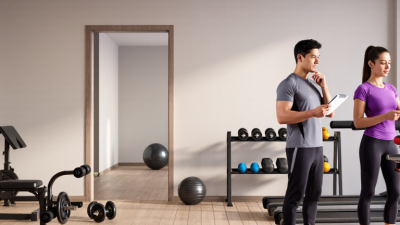
Choosing performance equipment for your business is not simply a matter of buying the newest machines. It is a decision about safety, workflow, customer experience, and long-term value. A busy training studio needs equipment that survives repeated use, fits its floor plan, and supports different user abilities. A rehabilitation center may prioritize adjustability, quiet operation, and precise measurement. The right choice begins with your actual business model.
Vern Gambetta, a respected athletic-performance coach, has said, “The greatest adaptation to training is the ability to train.” His point applies to equipment selection. If a machine is uncomfortable, unreliable, or difficult to adjust, clients may stop using it. That failure can be expensive.
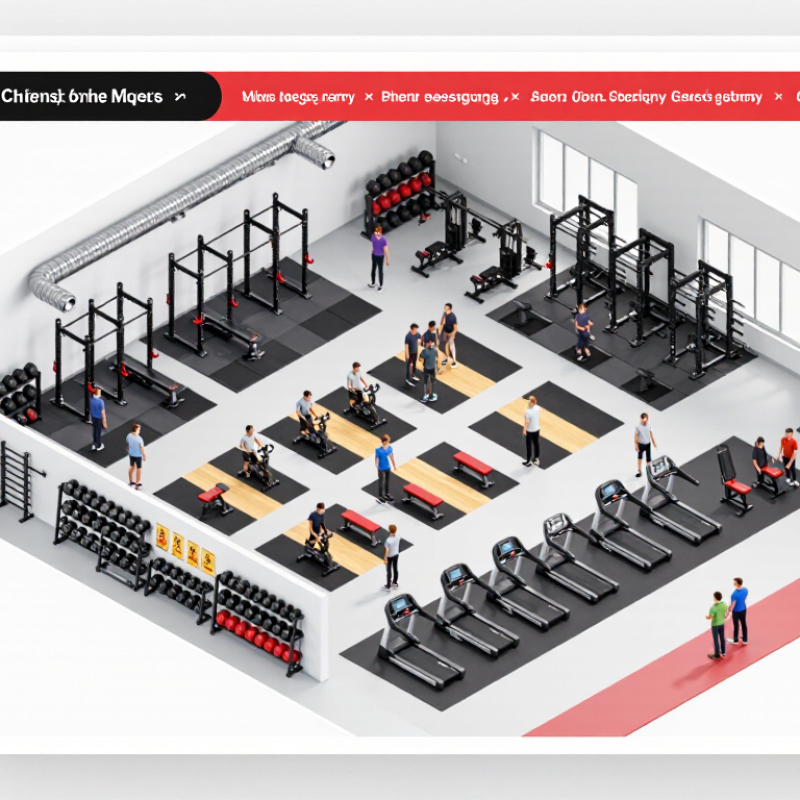
Measure the room first. Leave clear walking paths around racks, platforms, and cable systems. Check power requirements, flooring needs, delivery access, and ventilation. Then compare build quality, maintenance schedules, warranty terms, and replacement-part availability. A lower purchase price may hide frequent service costs. Sometimes, it does.
Speak with staff who will use the equipment daily. Their practical experience can reveal problems that product brochures omit. Ask whether controls are intuitive, whether cleaning is simple, and whether beginners can use the equipment safely. Request demonstrations and test high-contact parts, such as handles, seats, belts, and adjustment pins.
Your decision may still contain uncertainty. Budgets change. Client demand shifts. However, documented testing, supplier references, and a realistic three-year cost estimate can reduce avoidable risk. Performance equipment should strengthen your service, not become an expensive obstacle.
Define Your Business’s Performance Equipment Requirements
Before choosing performance equipment, define what your business actually needs. Start with daily workload, available space, staff skills, and customer expectations. A busy training studio may need durable equipment that handles repeated use, while a small office may value compact, quiet tools. Measure doorways, floor capacity, storage areas, and power access before reviewing specifications.
In practice, I have seen businesses buy impressive equipment that rarely gets used. That mistake usually begins with vague requirements. Write down the intended tasks, usage frequency, weight limits, adjustment range, and required safety features. Consider who will operate the equipment and how quickly they can learn it. Record current problems, such as slow setup, poor ergonomics, or frequent maintenance. These details create more reliable selection criteria than general claims about performance.
Keep the requirements measurable. Define acceptable noise levels, operating time, service intervals, warranty expectations, and total ownership costs. Ask suppliers for manuals, testing information, safety documentation, and realistic delivery timelines. A short trial can reveal awkward controls or uncomfortable positioning. Do not ignore feedback from daily users. They notice practical flaws quickly. I would also leave room for uncertainty. Forecasts can be wrong, and future demand may change. Review the list with staff, revise weak assumptions, and approve only equipment that supports clear business outcomes.
Compare Equipment Types, Features, and Technical Specifications
Choosing performance equipment requires more than comparing prices and visual appeal. Compare equipment types by intended use, user volume, and training goals. Selectorized machines offer controlled movement and quick adjustments. Plate-loaded systems provide heavier loading and simpler mechanics. Cable stations support varied movement patterns but require careful pulley inspection. Cardio units should be assessed for motor output, maximum user weight, deck size, noise, and emergency-stop access.
Specs matter more. Check load increments, resistance curves, range of motion, frame steel thickness, footprint, floor loading, and power requirements. For connected equipment, examine data accuracy, software compatibility, offline operation, and cybersecurity controls.
ACSM’s Worldwide Survey of Fitness Trends for 2025 ranked wearable technology first and traditional strength training fifth. That finding supports combining measurable feedback with dependable resistance equipment. Yet, trend rankings should not replace a site-specific assessment. A small studio may gain more from compact cable equipment than oversized machines.
I once valued a high maximum load too highly. Daily adjustment time mattered more for busy users. Measure how quickly staff can clean surfaces, replace cables, and identify loose fasteners. ISO 20957 and relevant ASTM guidance can help evaluate stability, testing, and user safety. Ask suppliers for test methods, maintenance intervals, spare-part availability, and noise measurements under normal operation. Do not accept “commercial grade” without evidence. A technical sheet may omit vibration, heat output, or service delays. That gap deserves scrutiny.
Evaluate Quality, Safety Standards, and User Compatibility
Choosing performance equipment starts with evidence, not appearance. Inspect frame welds, moving joints, cables, padding, and adjustment points. Ask for load testing, maintenance records, and replacement-part availability. ISO 20957-1 sets general safety requirements for stationary training equipment, including stability, mechanical strength, and user protection. Treat compliance documents as a starting point, not proof of excellent quality. Small details fail.
Safety checks should match the environment. Look for guards around pinch points, clear emergency stops, stable bases, readable warnings, and controlled resistance. The U.S. Consumer Product Safety Commission has reported tens of thousands of treadmill-related emergency-department injuries in some annual estimates. That figure makes supervision, inspection, and user instruction practical necessities. Staff should test equipment under repeated use, not only during installation.
User compatibility is equally measurable. Record user height, reach, strength, mobility, and training goals before purchasing. The World Health Organization’s Global Status Report on Physical Activity 2022 estimates that 31% of adults worldwide do not meet recommended activity levels. Equipment must therefore support beginners, older users, and people with limited mobility, not only trained athletes. Adjustable seats, low step-over heights, simple controls, and visible feedback can reduce hesitation. I have learned that a technically perfect machine may still be ignored if setup feels awkward. Test several users in real operating conditions. Their criticism is often more valuable than a polished supplier presentation.
Calculate Total Costs, Maintenance Needs, and Return on Investment
How to Choose Performance Equipment for Your Business?
Purchase price is only the visible cost. Energy, labor, servicing, downtime, training, and disposal shape the real investment. The Whole Building Design Guide, supported by the National Institute of Building Sciences, estimates operations and maintenance can represent 60–85% of a facility’s life-cycle cost. That range should change your buying discussion. Build a five-year or ten-year total-cost model. Include installation, electricity, consumables, inspections, spare parts, and resale value. Compare these figures with local labor rates and utility tariffs.
Return on investment needs a measurable baseline. Record current output, cycle time, energy use, defects, and unplanned stoppages. Calculate ROI as cumulative benefit minus ownership cost, divided by ownership cost. The U.S. Department of Energy recommends life-cycle cost analysis for equipment with different purchase prices. Industry research reports that predictive maintenance may reduce maintenance costs by 10–20%. However, results depend on data quality and execution. Do not treat that range as guaranteed. A spreadsheet can still lie. Add a conservative case with slower productivity gains and higher repair costs.
Tips: Request three years of maintenance records for comparable equipment. Price one critical spare part before signing. Check emergency response times. Pilot the equipment in one workflow. Measure results for 90 days. Question optimistic forecasts. Real operations are rarely tidy.
How to Choose Performance Equipment for Your Business? - Calculate Total Costs, Maintenance Needs, and Return on Investment
Use the equipment with the shortest payback period only when it also meets your required capacity, safety standards, maintenance availability, and expected service life.
Select Suppliers and Plan Equipment Implementation
Choosing performance equipment is only half the decision. Supplier selection determines whether that equipment performs reliably in daily operations. Request documented specifications, safety certifications, warranty terms, maintenance procedures, and replacement-part availability. Ask suppliers for references from businesses with similar workloads. A polished demonstration is useful, but it does not reveal long-term service quality. I also recommend testing one unit during a normal work period. Observe noise, energy use, cleaning time, and operator comfort.
Tips: Compare total ownership cost, not just purchase price. Check delivery schedules and installation responsibilities. Require written training materials. Assign one internal person to manage supplier communication. Keep every promise in the contract.
Implementation needs a practical plan. Measure the available space before delivery, including door widths, power outlets, ventilation, and floor strength. Train staff beside the actual equipment, using realistic tasks and safe operating limits. Begin with a small pilot group and record results for several days. Track output, downtime, errors, and employee feedback. Our first rollout was too ambitious; we installed several units before confirming workflow compatibility. That mistake caused avoidable delays. A slower pilot would have exposed the problem earlier.
Reliable suppliers should welcome detailed questions and explain limitations clearly. Be cautious when answers remain vague. Schedule preventive maintenance before problems appear, rather than waiting for performance to decline. Review the implementation after thirty days. Some measurements may disappoint. That is useful evidence. Adjust staffing, training, or equipment settings based on observed results, not assumptions.
How to Choose Performance Equipment for Your Business?
Select Suppliers and Plan Equipment Implementation
Use this weighted evaluation model to compare suppliers consistently. Prioritize technical performance and total cost of ownership, while reserving sufficient weight for after-sales support, safety compliance, installation readiness, and future scalability.