What is a Hollow Bit and How is it Used in Drilling?
A Hollow Bit is a specialized drilling tool designed for creating holes in various materials. Unlike standard drill bits, Hollow Bits have a unique structure. They feature a cylindrical shape that allows them to remove material from the center while leaving the outside intact. This design is particularly useful in woodworking and metalworking applications.
One of the key advantages of using a Hollow Bit is its efficiency. It can quickly create precise holes without excessive waste. Imagine drilling into a piece of wood to prepare for dowels or doweling joints. The process becomes more manageable with a Hollow Bit. However, choosing the right size and type for the job can be challenging. Mistakes in selection can lead to poor results.
Users must also consider the materials being drilled. Different surfaces require different techniques. Not all Hollow Bits can handle tough materials like steel. Some may struggle and produce unsatisfactory holes. It’s essential to ensure you have the correct bit to avoid frustration and wasted effort in your project. Understanding the nuances of Hollow Bits can enhance your drilling experience.
Definition and Overview of Hollow Bits
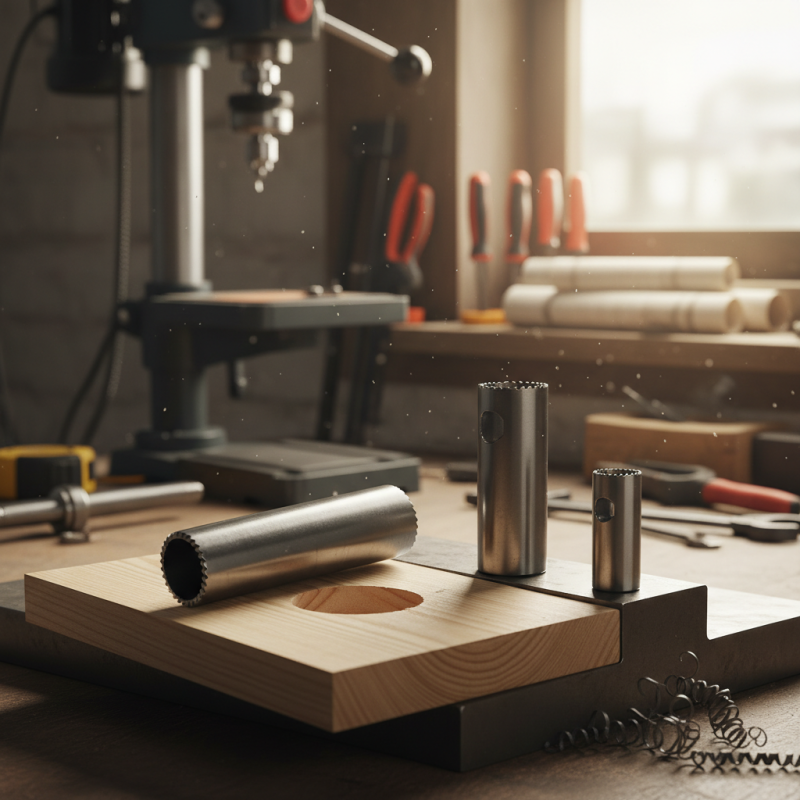
Hollow bits are specialized drilling tools designed for specific applications. They have a unique design that allows material to be removed while drilling. This feature makes them ideal for creating clean, cylindrical holes. The hollow center allows debris to exit through the bit, reducing clogging and improving efficiency.
These bits are used in various industries, including construction and plumbing. They can handle tough materials such as concrete and wood. A hollow bit can be particularly useful when a clean finish is required. However, using hollow bits may require precision and practice. Operators need to control speed and pressure carefully. If not, the results can be less than perfect.
The versatility of hollow bits is impressive, but they come with challenges. Not all tasks are suited for these bits. They can struggle with some harder materials or complex shapes. It’s essential to assess each drilling task carefully before choosing a hollow bit. Understanding the strengths and limitations of tools is crucial for success in drilling operations.
Types of Hollow Bits Used in Drilling
Hollow bits are specialized drilling tools. They come in various types, tailored for specific tasks. Each type is designed to efficiently remove core samples from different materials. This makes them crucial in industries like mining and construction.
One common type is the diamond-tipped hollow bit. It is effective on hard materials like concrete or stone. The sharp edges allow for precise drilling. Another type is the wood boring hollow bit. This one is excellent for creating holes in wooden structures. Its design helps prevent splintering.
Different drilling conditions may require different bits. Choosing the wrong type can lead to inefficiencies. Sometimes a bit might wear out quickly. This can be frustrating, especially on large projects. Proper care and regular inspections are essential. A small oversight can result in significant delays. Remember, each bit has its purpose and limitations. Understanding these can improve drilling outcomes.
Mechanism of Action: How Hollow Bits Cut through Materials
Hollow bits are specialized tools used primarily in drilling applications. They consist of a cylindrical body with a hollow center, allowing them to remove material efficiently while creating deep holes. The mechanism of action is quite fascinating. As the hollow bit rotates, its sharp edges cut through the material. The hollow center enables debris removal, preventing blockage and maintaining cutting efficiency.
When using hollow bits, selecting the right speed is crucial. Too fast, and the bit might overheat. Too slow, and it might not cut effectively. Make slight adjustments based on material hardness. It may take a few tries to find the perfect setting.
In challenging drilling projects, patience is key. Sometimes, the hollow bit gets stuck. If this happens, gently rotate it back and forth. This can help dislodge it without causing damage. Always monitor your progress; irregular resistance may indicate issues. Keep a close eye on your drill. Over time, wear and tear can affect performance.
Hollow bits are effective but can be tricky. It's essential to practice proper techniques. You'll likely run into obstacles, but each challenge provides a chance to improve your skills. Consider starting with softer materials before moving to harder substances. Every experience counts.
Applications of Hollow Bits in Various Industries
Hollow bits are essential tools in drilling applications across various industries. They create holes while also allowing the extraction of materials from the drilled area. This feature makes them valuable in mining, construction, and even medical fields. The versatility of hollow bits helps in achieving precise drilling, which is crucial for many projects.
In the construction sector, hollow bits are used to create core samples from the earth. These samples provide critical data for engineers. They assess soil conditions before starting a project. Tips for using hollow bits include maintaining sharpness and selecting the right size for the task. Wearing safety gear is also essential when operating drilling equipment.
In the medical field, hollow bits are instrumental in biopsy procedures. They remove tissue samples for analysis. It’s important to use hollow bits specifically designed for medical use. Otherwise, complications may arise. Always double-check your equipment before starting. Ensuring proper preparation can significantly impact the quality of the samples collected.
Maintenance and Care for Hollow Bits in Drilling Operations
Maintenance and care for hollow bits are crucial in drilling operations. These tools are designed to create cylindrical holes efficiently. However, neglecting their upkeep can lead to reduced performance and increased costs. Regular inspection is essential. Check for wear and tear after each use. This helps identify issues early and prolongs their lifespan.
Cleaning is another key part of maintenance. After each drilling session, remove debris and residue from the bit. Debris can impact drilling efficiency and accuracy. Use a soft brush or cloth for this task. It's also wise to lubricate the bit periodically. Proper lubrication reduces friction and heat, helping the bit to function better.
Moreover, operators should pay attention to their drilling technique. Overloading a hollow bit can cause premature failure. Each material poses different challenges. If a bit seems to struggle, consider reducing the load. Monitoring your technique can prevent costly mistakes and enhance overall productivity. In drilling, awareness and proactive care often lead to success.
What is a Hollow Bit and How is it Used in Drilling? - Maintenance and Care for Hollow Bits in Drilling Operations
| Aspect | Description | Maintenance Tips |
| Definition | A hollow bit is a type of drilling tool that features a cylindrical shape with a hollow center, used for drilling holes in various materials. | Regularly inspect for wear and tear; clean after each use. |
| Common Uses | Used in construction, mining, and metalworking to create precise holes. | Store in a dry place to prevent rust; apply lubricant to minimize friction. |
| Material | Made of high-speed steel, carbide, or other durable materials to withstand intense drilling conditions. | Check for material degradation before use; sharpen or replace if necessary. |
| Size Variations | Available in various diameters to accommodate different hole sizes. | Choose the appropriate size for the task to avoid excess wear. |
| Drilling Technique | Requires steady pressure and proper speed to ensure efficient drilling and prevent bit damage. | Use consistent feed rates and avoid excessive force. |