How to Choose the Right Machine Bolt for Your Project?
Selecting the right Machine Bolt for your project can be challenging. With various options available, it's crucial to consider specific requirements. The global fastener market was valued at approximately $82 billion in 2020 and is projected to grow significantly. Machine bolts play a vital role in many industries, including construction and manufacturing.
According to a recent industry report, nearly 20% of machine failures are linked to improper fasteners. This statistic underscores the need for careful selection when choosing machine bolts. Critical factors include material, grade, coating, and dimensions. For example, the tensile strength of steel machine bolts can vary greatly, impacting their performance in applications.
Additionally, manufacturers recommend consulting technical specifications to ensure optimal compatibility. You may find yourself questioning whether a standard bolt will meet specific needs. This reflection can save time and resources down the line. Ultimately, informed decisions lead to enhanced safety and structural integrity in your projects.
Understanding the Different Types of Machine Bolts Available
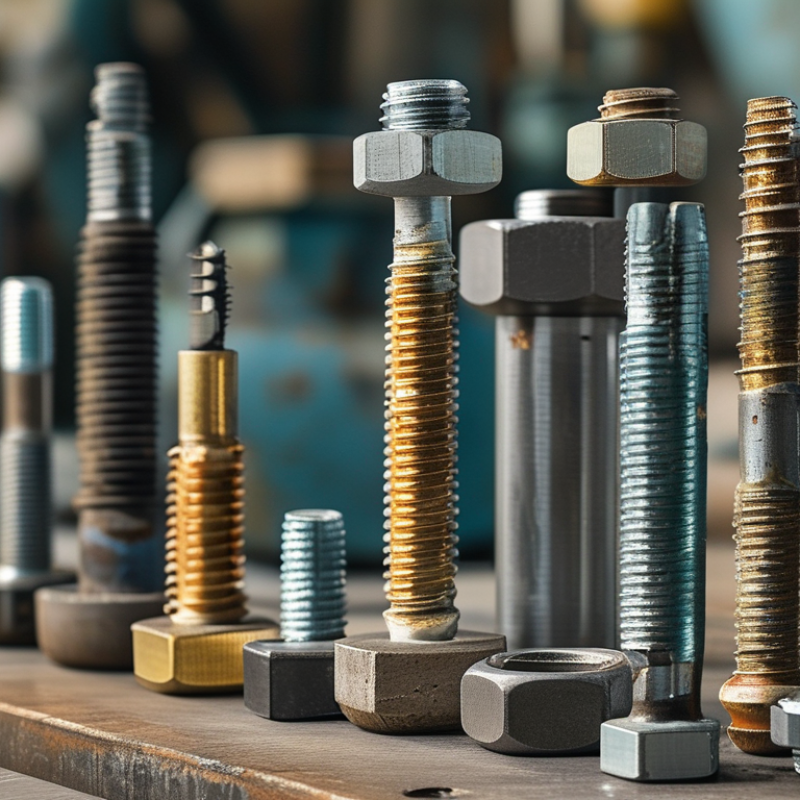
Choosing the right machine bolt can be overwhelming. Numerous types of bolts exist, each designed for specific applications. Standard hex bolts, for instance, are common for structural use. They feature a hexagonal head for easy tightening and a strong shaft for holding heavy loads.
In addition to standard hex bolts, consider flange bolts. These bolts have a built-in washer, distributing the load over a larger area. This feature makes them ideal for projects requiring a secure and stable fit. Another option is socket head cap screws, which are designed for spaces where a hex key is more accessible than a wrench.
Understanding the varying materials is also essential. Steel bolts are widely used due to their strength, but grades vary. Higher-grade steel offers better load handling. However, using them improperly can lead to failure. It's crucial to match the bolt grade with the project requirements. Explore options like stainless steel for corrosion resistance as well. Each choice carries weight; thus, reflecting on the project's demands shapes the decision.
Key Factors to Consider When Selecting Machine Bolts
Choosing the right machine bolt for your project is essential. Several key factors influence this decision. The first consideration is material. Most machine bolts are made of steel, but materials vary widely. For instance, stainless steel offers corrosion resistance, while carbon steel provides strength.
Another vital factor is the bolt grade. Bolt grades indicate strength and ductility, with Grade 5 and Grade 8 being common in the U.S. According to the American Society for Testing and Materials (ASTM), standard grades can withstand significant loads. Therefore, understanding the specific load requirements is crucial for optimal performance.
Tips: Always check the load-bearing capacity. A miscalculation could lead to failures. Measure the length and diameter accurately. Poor measurements can compromise the installation.
Finally, consider the environmental factors. Temperature variations and exposure to chemicals can impact bolt selection. Reports suggest that 20% of projects face delays due to improper material choices. Choosing the correct machine bolt ensures longevity and reliability, ultimately enhancing project success.
Material Selection: Choosing the Right Bolt Material for Your Needs
When selecting a machine bolt, material choice is crucial. Various metals, such as steel, stainless steel, and aluminum, offer distinct benefits. Steel bolts are strong and cost-effective. They can withstand high stress but may corrode without proper coating. Stainless steel, while more expensive, resists rust and maintains durability in harsh environments. Aluminum bolts are lightweight and ideal for applications where weight is a concern.
Tips: Consider corrosion resistance when your project exposes bolts to moisture. This choice can save you maintenance costs down the line. Also, think about strength requirements. Using a material that is too weak may lead to failures, while excess strength can add unnecessary costs.
The selection of the right bolt material impacts project longevity. According to industry reports, improper material choices account for 30% of failures in mechanical assemblies. A thoughtful approach enhances reliability. Evaluate environmental factors and load requirements. Pay attention to how different materials interact with each other. This can prevent issues, especially when dissimilar metals are involved. Choose wisely for improved performance and durability.
Determining Size and Thread Specifications for Machine Bolts
When selecting the right machine bolt, understanding size and thread specifications is crucial. A suitable bolt ensures structural integrity and proper assembly. Start by measuring the diameter of the bolt needed for your project. This measurement must match the hole's size for a secure fit. Common diameters include 1/4 inch, 3/8 inch, and 1/2 inch. Failing to choose the correct size can lead to bolt failure under load.
Next, consider the thread pitch. This refers to the distance between threads. For instance, fine threads are often used in precision applications, while coarse threads are better for strength. Thread specifications can typically be found in design manuals. You may also need to determine if a specific grade of bolt is necessary for your project. Keep in mind that using a lower grade bolt might lead to unforeseen issues. Getting these details right prevents future headaches. Always double-check your measurements and specifications before finalizing your choice.
Understanding Load and Stress Requirements for Your Project
When selecting a machine bolt, understanding the load and stress requirements is vital. Different projects impose varying demands on fasteners. For instance, a bolt in a high-load application will face different forces than one in a light-duty setting. Evaluating these requirements helps ensure reliable performance and safety.
Consider the type of load acting on the bolt. Is it static or dynamic? Static loads occur in fixed positions. Dynamic loads change frequently and can lead to fatigue over time. A bolt’s shear strength must be assessed against these factors. Additionally, think about the environment where the bolt will be used. Corrosive settings might require bolts with special coatings.
It's also important to reflect on your choices. Choosing the wrong size or grade can lead to failure. An under-rated bolt might not withstand stress, causing project delays or accidents. Tightening techniques can also affect performance. Over-tightening may weaken the bolt, while under-tightening can lead to loosening. These details demand attention for successful installation and long-term durability.
How to Choose the Right Machine Bolt for Your Project? - Understanding Load and Stress Requirements for Your Project
| Bolt Size (mm) | Bolt Grade | Tensile Strength (MPa) | Shear Strength (MPa) | Common Applications |
| 8 | 8.8 | 800 | 640 | Construction |
| 10 | 10.9 | 1000 | 900 | Automotive |
| 12 | 12.9 | 1200 | 1000 | Heavy Machinery |
| 16 | 8.8 | 800 | 640 | Marine |
| 20 | 10.9 | 1000 | 900 | Structural |