How to Choose the Right Technological Machines and Equipment for Your Needs?
Choosing the right technological machines and equipment is a vital task for any business. This choice can greatly impact productivity and efficiency. Understanding your specific needs is crucial. Each business operates differently. Thus, the machines that work for one may not suit another.
When selecting technological machines and equipment, consider the core requirements of your operation. Think about the tasks you need to accomplish. Ask yourself, how much volume must you handle? What size is optimal for your space? These questions guide your decision-making process.
It's also important to reflect on your budget. The initial cost of the equipment is just one factor. Maintenance, energy consumption, and longevity also factor into the overall expenses. A more expensive machine may offer better value in the long run. Take time to weigh pros and cons, and remember, not every solution is perfect for everyone.
Identify Your Specific Requirements and Goals
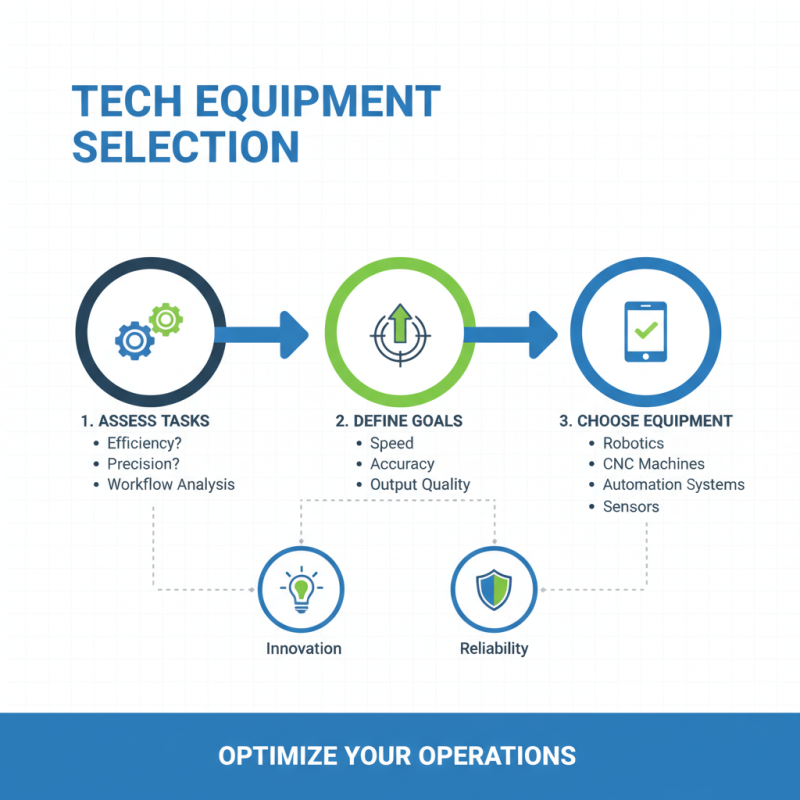
Identifying your specific requirements is crucial when choosing technological machines and equipment. Start by assessing the tasks you need to accomplish. Are you looking for efficiency? Or perhaps precision is your goal? Analyze your workflow. This will help you pinpoint the type of equipment that meets your needs.
**Tips:** Consider your workspace. If it’s limited, compact machines may be necessary. Look into the learning curve too. Complex equipment might require training. This can add to costs and time delays. A fit-for-purpose tool can greatly enhance productivity.
Before making a purchase, reflect on your long-term goals. Will your needs change over time? Flexibility in technology can be vital. Remember, investing in machines that offer upgrades might save you money in the long run. Don’t rush this decision; take the time to weigh your options carefully. You might find clarity in what your ideal setup looks like.
Evaluate Specifications, Features, and Capabilities
Choosing the right technological machines and equipment starts with understanding their specifications. Look closely at the performance metrics. Are they suitable for your tasks? Pay attention to power consumption and efficiency. These factors can heavily influence long-term costs.
Next, consider features that enhance usability. Some machines offer advanced interfaces, while others stick to basic controls. A user-friendly design can save time and reduce errors. However, too many features can complicate operation. It's crucial to strike the right balance.
Assess the capabilities of the equipment in real-world scenarios. Will it meet your production needs? Sometimes, machines may look perfect on paper but fail in actual use. Analyzing user reviews can provide insights. It’s important to learn from others' experiences to make informed choices. Reflecting on your specific requirements is vital. Each project is unique, and finding the right fit is never a one-size-fits-all solution.
Comparison of Key Specifications for Different Technological Machines
Consider Budget Constraints and Total Cost of Ownership
When choosing technological machines and equipment, budget constraints often play a critical role. It's important to look beyond just the initial purchase price. The total cost of ownership (TCO) includes maintenance, energy consumption, and operational costs. For instance, a low-cost machine may lead to higher repair bills later.
Consider energy efficiency ratings. An energy-efficient machine may cost more upfront but save money in the long run. These details matter. Breakdowns or inefficiencies can hinder productivity. Think about the lifespan of the equipment, too. Some machinery requires frequent upgrades or replacements.
It can be tempting to cut costs initially. However, this may backfire when equipment fails. Always analyze potential hidden costs. They could turn a good deal into a costly mistake. Investing time in research now can prevent future headaches. Reflect on your long-term needs and goals.
How to Choose the Right Technological Machines and Equipment for Your Needs? - Consider Budget Constraints and Total Cost of Ownership
| Equipment Type |
Initial Cost ($) |
Maintenance Cost/Year ($) |
Operational Efficiency (%) |
Estimated Lifespan (Years) |
Total Cost of Ownership ($) |
| CNC Machine |
15,000 |
1,200 |
85 |
10 |
27,000 |
| 3D Printer |
5,000 |
300 |
90 |
5 |
7,500 |
| Laser Cutter |
20,000 |
1,500 |
78 |
8 |
36,000 |
| Milling Machine |
10,000 |
800 |
82 |
12 |
24,600 |
| Lathe |
8,000 |
600 |
80 |
15 |
16,500 |
Assess Vendor Reputation and Customer Support Services
When selecting technological machines and equipment, vendor reputation is crucial.
A recent industry report indicated that 75% of organizations value vendor reputation highly when making purchase decisions. This highlights the importance of trusting your supplier. The credibility of a vendor often reflects the quality of their products.
Additionally, customer support services play a vital role. Research shows that companies with robust customer service see a 20% increase in customer satisfaction. Timely support can prevent operational downtime. Equipment malfunctions can lead to significant losses. Imagine a scenario where a piece of machinery fails during peak production. The right vendor should provide quick resolutions.
However, not every vendor meets expectations. Some may overpromise on their support capabilities. This can lead to frustration. It's essential to investigate thoroughly. Look for reviews or testimonials from other businesses. Engage with past clients to understand their experiences. A vendor's response time and willingness to help matter greatly. Ultimately, a good choice can mean the difference between success and failure in your operations.