How to Choose Green Matcha Powder for Wholesale Buyers?

Choosing Green Matcha Powder for wholesale distribution requires more than comparing vivid color and low prices. Buyers must connect farm practices, processing controls, documentation, and customer expectations. A bright green surface can attract attention. It cannot prove freshness, purity, or consistent performance. Experienced purchasing teams examine origin, cultivar, shading period, harvest timing, and stone-milling methods. These details influence flavor, texture, caffeine content, and storage stability. Small differences become significant when thousands of units reach retail shelves.

A dependable supplier should provide a traceable lot number, recent laboratory reports, and clear product specifications. Ask whether testing covers pesticide residues, heavy metals, allergens, and microbiological safety. Requirements vary by destination market, so buyers should confirm current regulations with qualified local professionals. Request representative samples before signing a large contract. Test it carefully. Whisk a measured portion in water and observe aroma, bitterness, foam, and sediment. Then test it in the intended products, such as lattes, beverages, or bakery mixes. A powder that performs well alone may behave differently after blending. Compare samples.

Packaging also deserves practical attention. Moisture, light, oxygen, and heat can weaken quality before customers open the pouch. Opaque, food-grade packaging and controlled storage should be discussed in writing. Supplier audits, production capacity, lead times, and complaint procedures can reveal operational reliability. Price alone is a weak guide. No checklist is perfect. Even experienced buyers can overvalue color or overlook seasonal variation. Review evidence, compare supplier claims, and leave room for honest uncertainty. The strongest decision balances verified quality, stable supply, regulatory awareness, and a realistic wholesale margin.
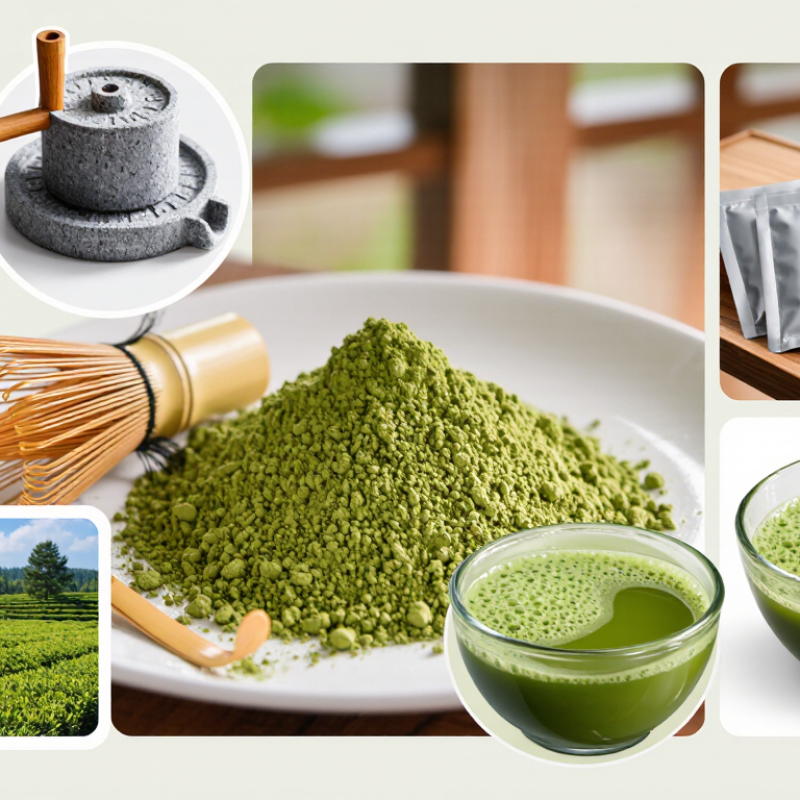
How to Choose Green Matcha Powder for Wholesale Buyers?

Understanding Green Matcha Powder and Its Wholesale Uses

Green matcha powder is finely milled shade-grown tea, usually produced from tencha leaves. Shade treatment increases chlorophyll and softens bitterness. Stone milling creates a smooth, vivid powder, but it also limits production speed. Wholesale buyers should understand this supply constraint before promising year-round volume.

Grand View Research estimated the global matcha market at approximately USD 3.27 billion in 2023, with continued growth projected through 2030. This demand reflects cafés, ready-to-drink beverages, bakery products, dairy alternatives, and nutritional formulations. For beverage applications, buyers should request vibrant colour, low grit, stable dispersion, and a fresh vegetal aroma. Bakery buyers may prefer a stronger, more economical profile because heat and sugar reduce perceived intensity. No single grade fits every use.

A useful purchasing specification includes origin, harvest season, particle size, moisture, microbiological results, heavy-metal testing, pesticide screening, packaging, and shelf life. Colour alone can mislead. A bright sample may still taste flat. The U.S. Department of Agriculture identifies tea quality and safety testing as important factors in international trade, while Codex food-safety principles support documented hazard controls. Ask for batch samples and compare them in the final recipe, not only in dry form. A 2024 sample may perform differently after storage. That detail is easy to overlook. Wholesale decisions should also review lead times, minimum order quantities, lot consistency, and traceability records. Mistakes happen when buyers judge powder only by price or colour.

How to Choose Green Matcha Powder for Wholesale Buyers?

Understanding caffeine concentration helps wholesale buyers compare green matcha powder with other commonly prepared tea and coffee products. The ranges below are approximate and can vary by cultivar, processing method, serving size, and preparation.

Reference basis: approximate caffeine ranges from published matcha analyses and USDA FoodData Central entries for brewed coffee and green tea. Matcha assumes 2 g of powder per serving; tea and coffee assume approximately 240 ml per serving.

Defining Quality Standards for Green Matcha Powder

Wholesale buyers should define quality before comparing price. For green matcha powder, quality is not simply a vivid color or smooth marketing claim. It combines origin records, harvest timing, milling method, sensory performance, and laboratory results. Request a recent certificate of analysis for every production lot. It should identify moisture, microbiological results, heavy metals, pesticide residues, and test methods. Prefer reports from an independent, accredited laboratory. Keep the lot number linked to each shipment.

Evaluate a sample in realistic conditions. Sift it into a dry bowl, then whisk it with warm water. High-quality powder usually looks fine, feels silky, and produces a fresh vegetal aroma. The liquor should taste balanced, with gentle bitterness and lasting umami. A neon shade can mislead. Taste matters more. Still, sensory judgment is subjective, so use a trained panel and written scoring sheet. I have seen buyers overlook storage history, which can dull aroma before arrival. No checklist is perfect.

Tips:
Compare at least three production lots, not three advertisements. Check particle size, color consistency, packaging seals, and storage temperature. Ask whether the supplier can repeat the same specification next season. Record every finding, including small defects, because consistency often matters more than one impressive sample.

Evaluating Matcha Origin, Cultivation, and Processing

For wholesale buyers, green matcha powder should be judged by origin, cultivation, and processing, not color alone.

A clear origin statement should identify the growing region, harvest season, and producer. Reliable suppliers can provide traceability records and recent laboratory results for pesticides, heavy metals, and microbiological safety. These documents matter more than attractive packaging.

Cultivation methods shape the powder’s flavor and nutritional profile.

Shade-grown tea usually develops a deeper green color, softer bitterness, and stronger umami. Ask how long the plants were shaded before harvest. Carefully picked young leaves often produce a smoother texture. However, farming conditions vary each year. One harvest may taste sweeter, while another may seem more astringent. That difference deserves honest discussion.

Processing is equally important.

After steaming, leaves should be dried, deveined, and ground slowly into a fine powder. Traditional stone milling can help protect aroma, but it may reduce production speed. I have found that very bright powder is not always better; excessive freshness claims can hide weak flavor.

Request a small sample and whisk it with warm water. Check for clumps, grassy aroma, clean foam, and bitterness that fades quickly.

Tips: Compare samples from the same harvest period. Review test dates, not only certificates. Store opened powder in an airtight, light-protected container. Ask difficult questions. Suppliers who answer clearly are easier to trust.

Comparing Suppliers, Certifications, and Wholesale Pricing

How to Choose Green Matcha Powder for Wholesale Buyers?

A reliable supplier should provide more than a bright green sample. Ask about harvest season, grinding method, storage temperature, and lot traceability. A useful supplier can show a certificate of analysis for each batch, not only a general product sheet. Check pesticide residues, heavy metals, microbiological results, moisture, and caffeine levels. The documents should match the lot code printed on the packaging.

Certifications need careful checking. Organic certification may depend on the production country and your target market. Food safety systems, such as HACCP or ISO-based controls, can indicate structured processing, but certificates must remain valid. Request the issuing body, certificate number, scope, and expiry date. Some suppliers provide attractive documents with limited coverage. That detail is easy to miss. Consider asking for an independent laboratory report before signing a large contract.

Wholesale pricing should include more than the price per kilogram. Compare minimum order quantities, packaging options, testing fees, shipping terms, customs costs, and payment conditions. A lower quote may become expensive after air freight and repacking. Request samples from two or three production lots when possible. Evaluate color, aroma, bitterness, particle texture, and performance in milk or bakery recipes.

A practical trial might reveal sediment or fading color after several weeks. No checklist is perfect, and buyers sometimes overvalue vivid color while overlooking traceability and consistent supply.

Checking Packaging, Shelf Life, and Order Fulfillment Terms

For wholesale buyers, packaging is not a cosmetic detail. It protects matcha from light, oxygen, moisture, and heat. Choose opaque, food-grade pouches or tins with strong inner barriers. Check whether the seal survives transport tests. A loose seal can turn bright green powder dull and flat. Grand View Research estimated the global matcha market at about USD 2.15 billion in 2023, with continued growth expected through 2030. That growth increases pressure on suppliers to prove handling quality.

Shelf life deserves closer inspection. Ask for the production date, best-before date, storage conditions, and batch-level laboratory records. Many suppliers state 12 to 24 months, but freshness usually declines after opening. The exact period depends on milling, oxygen exposure, and storage temperature. The International Tea Committee’s tea market reporting shows how strongly quality and origin affect tea trade values. Matcha needs even tighter control because its powder has a large exposed surface. I once saw a supplier list only an expiration date. That was insufficient, and honestly, easy to overlook.

Tips: Request one sealed sample and one opened sample. Compare color, aroma, clumping, and taste after seven days. Confirm carton dimensions, pallet limits, minimum order quantity, and replacement terms for damaged units. Ask for dispatch lead time, carrier options, tracking procedures, and customs documents. A written fulfillment schedule is safer than a confident promise. Verify whether the supplier can maintain the same lot specification during repeat orders. Be careful with unusually short lead times; speed may hide weak inventory planning.