What to Look for When Buying a CNC Milling Machine?
When considering the purchase of a Cnc Milling Machine, expert insights can guide your decision. John Smith, a renowned authority in CNC technology, notes, "Choosing the right CNC milling machine can significantly impact your production efficiency." This statement underscores the importance of thorough research before making a commitment.
The CNC milling machine industry offers a variety of options, each with distinct features. It's crucial to consider factors like machine size, spindle speed, and precision. An adequate understanding of these elements may lead to better operational outcomes and lower costs.
However, many buyers overlook crucial details in their haste to purchase. They may focus on price over quality or underestimate the support options available after a sale. A well-informed choice requires balancing price, features, and long-term support. Such nuanced considerations can ultimately ensure a successful investment in a CNC milling machine.
Key Features to Consider in CNC Milling Machines
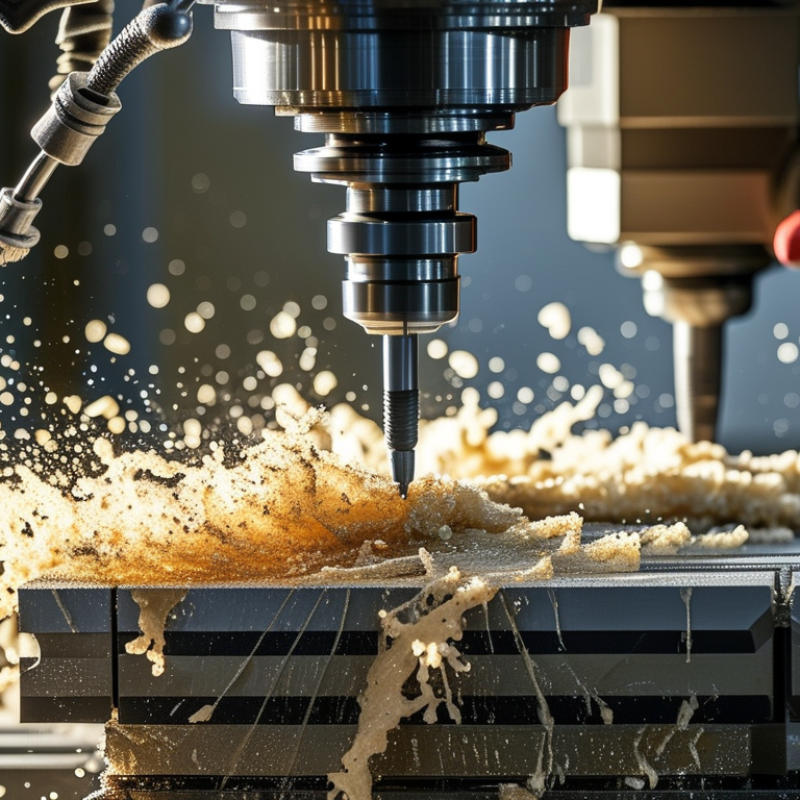
When purchasing a CNC milling machine, several key features require careful consideration. First, spindle speed plays a crucial role in machining efficiency. High-speed spindles can enhance productivity, allowing for faster material removal. However, you must balance speed with the machine's ability to handle various materials. Not every machine can manage aluminum and steel equally well, which can limit your operational scope.
Another important aspect is the axis configuration. A three-axis machine is sufficient for simple tasks, but a five-axis model offers advanced capabilities. These machines can create complex geometries and reduce setup time. Yet, they often come with higher costs and a steeper learning curve. Ensure your team is prepared for the increase in complexity.
Lastly, consider software compatibility. The right CNC milling machine should integrate smoothly with your existing design and manufacturing software. It can minimize errors and streamline operations. However, you might find that the learning curve for new software can be challenging. Training and adaptation are necessary for optimal performance in your production line.
Types of CNC Milling Machines and Their Applications
CNC milling machines come in various types, each designed for specific applications. A vertical milling machine is commonly used for precision tasks. Its spindle is oriented vertically, allowing for intricate designs and detailed work. You can often find this type in workshops and small manufacturing units.
Horizontal milling machines, on the other hand, excel at handling larger workpieces. The horizontal orientation promotes higher stability and can process multiple cutting areas simultaneously. This aspect can speed up production, but it demands more experience to operate effectively.
Multifunctional CNC mills combine both vertical and horizontal capabilities. They offer versatility but can be overwhelming for beginners. Understanding your project requirements is crucial. It is vital to evaluate your expected workload and capabilities. Consider how each machine can impact productivity. Remember, investing in the right type improves efficiency, but technical skills also matter in maximizing its potential.
Understanding Precision and Tolerances in Milling Processes
When selecting a CNC milling machine, understanding precision and tolerances is crucial. Precision refers to how closely a milling machine can achieve the desired specifications. Tolerances indicate the acceptable amount of deviation from these specifications. These factors directly impact the quality of the finished product.
In milling processes, small errors can lead to significant issues. This can affect functionality and alter performance metrics. It's essential to consider the machine's capability to maintain tight tolerances. Machines designed for high precision are tested under stringent conditions. Assessing their performance in varied scenarios can help gauge reliability.
Tips: Always verify the machine's specifications. Check the manufacturer’s documentation for tolerance ratings. Inspect previous projects completed on similar machines. It can give you insight into the machine's reliability.
When shopping, consider the materials you will mill. Different materials require different precision levels. A high-speed machine may be necessary for harder materials. Look for reviews from users in similar industries. Reflect on the trade-offs between precision and cost. Balancing these can lead to better long-term outcomes.
What to Look for When Buying a CNC Milling Machine? - Understanding Precision and Tolerances in Milling Processes
| Feature | Importance | Precision Level | Typical Tolerance Range |
| Spindle Speed | Critical for Material Removal Rate | High (up to ±0.005 mm) | ±0.02 mm |
| Axis Travel | Determines Size of Workpieces | Moderate (up to ±0.01 mm) | ±0.05 mm |
| Tooling System | Affects Tool Change Efficiency | High (up to ±0.002 mm) | ±0.01 mm |
| Control System | Influences User Experience & Precision | High (up to ±0.003 mm) | ±0.01 mm |
| Machine Frame | Stability Impacts Precision | High (up to ±0.004 mm) | ±0.02 mm |
Budgeting for Your CNC Milling Machine Purchase
Budgeting for a CNC milling machine purchase is important for any buyer. Before making a decision, assess your financial capacity. Determine how much you can afford without compromising your business operations. Understand that higher costs do not always guarantee better quality.
Consider the total cost of ownership, not just the initial price. Maintenance, tooling, and operational expenses can add up over time. Often, buyers overlook these factors, leading to unexpected expenses later. Research the machine's energy consumption as well. It can impact your monthly budget significantly.
Don’t rush the decision-making process. Talk to experienced users and seek advice. Their insights can help you avoid common pitfalls. Take time to compare features and functionalities of different machines. Sometimes, less expensive options may meet your needs perfectly. Reflect on what you truly require before settling on a choice.
Maintenance and Support: Ensuring Longevity and Performance
When considering a CNC milling machine, maintenance and support should be a key focus. A reliable machine requires regular upkeep. Scheduling routine maintenance can often prevent costly breakdowns. Many operators overlook this, leading to unexpected downtimes. Ensure the machine has accessible components for cleaning and lubrication. Opt for machines with clear maintenance instructions. A detailed manual aids in long-term care.
Support is equally important. Understand what support services are available. Are there on-site technicians? Is there a hotline for immediate assistance? Companies that offer robust customer support tend to have better machine longevity. Training for your team is also vital. Operator knowledge impacts performance. The learning curve can be steep. Investing in training can enhance productivity.
Additionally, check for parts availability. Sometimes, needed components might be hard to find. Ensure the manufacturer has a good track record in this area. Investigate online forums for real-user experiences. Shared insights can highlight potential pitfalls. It’s crucial to assess these factors before making a purchase.