Best Sanding Cloth For Metal What You Need to Know?
When working with metal surfaces, selecting the right Sanding Cloth For Metal is crucial. The right material can greatly enhance your efficiency, saving you both time and effort. There are various options available, each designed for specific tasks. Understanding these differences is essential for achieving the best results.
High-quality sanding cloths boast durable grains that resist wear and tear. This durability translates into longer-lasting performance, particularly on hard metals. However, not all sanding cloths are created equal. Some may not provide the necessary grit or finish. Users often overlook this aspect, leading to subpar outcomes. It's important to reflect on your specific needs before making a choice.
In addition, consider the backing material of the sanding cloth. A flexible backing can conform to metal surfaces, ensuring a smooth finish. Yet, it might not be suitable for heavy-duty applications. Review your project requirements critically. With so many options, continuous experimentation can lead to better choices over time. The right sanding cloth for metal can transform your project, but choosing wisely is key.
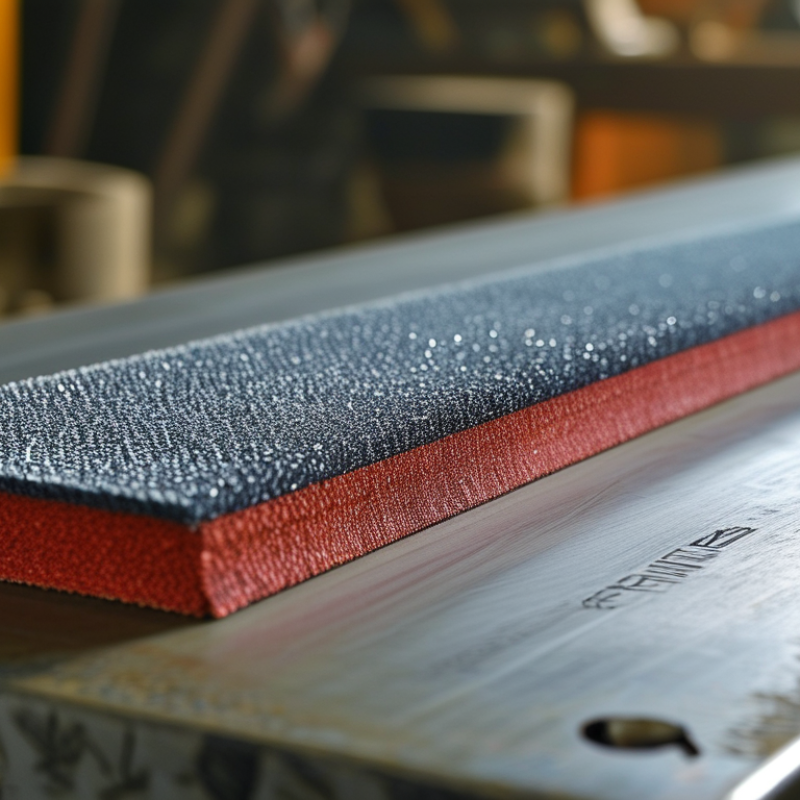
Types of Sanding Cloth Suitable for Metal Surfaces
When selecting sanding cloth for metal surfaces, understanding different types is essential. Aluminum oxide cloth is a common choice. It is versatile and suits most metals. This type of cloth offers a good balance between durability and cutting efficiency. You can use it for general sanding tasks.
Another type is silicon carbide cloth. This material works well for harder metals. It produces finer finishes and is often used for polishing. However, it's less durable than aluminum oxide.
For specialized tasks, consider zirconia cloth. It can handle heavy grinding and sanding applications. Choosing the right cloth impacts the quality of your work. Not all sanding cloth is suitable for every metal. You might find some types tear easily. Others may not provide the finish you need.
Make sure to experiment with various options. Each project may require a tailored approach. Understanding these differences will lead to better results.
Key Features to Look for in Sanding Cloth
When selecting the best sanding cloth for metal, certain features stand out. First, consider the abrasive material. Aluminum oxide is popular for its hardness and durability. According to industry reports, this material can last significantly longer than other abrasives. Garnet is another option, often used for finer finishes.
The backing material is equally crucial. A flexible backing allows for better conformity to metal surfaces, reducing the risk of scratches. Many users prefer X-weight cloth for its balance of strength and flexibility. Research indicates that a strong backing enhances the sanding process, leading to more uniform results.
Grain size is another aspect worth noting. Coarser grits remove material quickly, while finer grits refine surfaces. Some experts suggest using a range of grits to achieve the best finish. However, the challenge lies in choosing the right sequence. This choice affects efficiency and surface quality, often requiring experimentation. Keeping these factors in mind helps ensure a successful sanding project.
Comparing Grit Sizes and Their Applications
When it comes to sanding metal, selecting the right grit size is crucial for achieving a smooth finish. Grit sizes range from coarse to fine, each serving specific purposes. Coarse grits (40-60) are ideal for heavy material removal. They quickly eliminate rust, paint, or significant surface imperfections. However, using too coarse of a grit on delicate surfaces can cause scratches.
On the other hand, fine grits (120-400) are perfect for polishing and refining surfaces. They allow you to achieve a smooth texture without deep marks. Fine sanding prepares the metal for painting or finishing processes. Additionally, very fine grits (600 and above) are often used for final touches. This level ensures a polished look.
Tips: Always start with a coarser grit if you're working on a rough surface. Progress to finer grits gradually. Testing on a scrap piece can save time. Be mindful of the pressure you apply; too much can lead to uneven results. It's essential to choose the right sanding cloth, as not all materials are suited for metal. Understanding grit sizes and their applications will significantly affect your project outcomes.
Best Brands and Products for Metal Sanding
When it comes to sanding metal, the right sanding cloth can make a significant difference. Various studies highlight that using the correct abrasive material enhances efficiency and reduces time spent on projects. Aluminum oxide and ceramic abrasives are frequently recommended for metal surfaces due to their durability and effectiveness.
Popular choices among professionals include both open-coat and closed-coat options. Open-coat sanding cloths allow better dust extraction, which minimizes clogging. In contrast, closed-coat varieties offer a smoother finish. An industry report indicates that about 70% of metalworkers prefer open-coat products for their convenience.
Additionally, it’s essential to consider grit size. A finer grit number yields a smoother finish but may require additional time. Many professionals report that it’s common to use multiple grits for various stages of sanding. While these insights provide a foundation, personal preferences remain crucial. Finding the ideal sanding cloth often involves trial and error.
Tips for Proper Use and Maintenance of Sanding Cloth
When using sanding cloth on metal, proper technique and maintenance are crucial. The right choice of sanding cloth can significantly impact your project’s outcome. A recent industry report from the Abrasive Association highlights that users get better results when selecting the correct grit size for their specific metal type. For instance, starting with a coarser grit for heavy material removal helps ensure a smooth finish in the end.
Tips for proper use include always sanding in the direction of the metal grain. This prevents scratching and achieves a better surface texture. Keep your sanding cloth clean. Dust and debris clogging the cloth can reduce its effectiveness by up to 30%, according to manufacturing studies. Regularly switch to a new section of the cloth to maintain optimal performance.
Maintenance matters too. Store sanding cloth in a cool, dry place to prevent degradation. Humidity can lead to cloth warp or mildew, which reduces performance. Some may overlook this aspect, but proper storage can extend the life of your sanding cloth significantly. Always inspect the cloth for wear before each use, ensuring you achieve the best results every time.
Best Sanding Cloth For Metal What You Need to Know? - Tips for Proper Use and Maintenance of Sanding Cloth
| Sanding Cloth Type | Grit Size | Best Use | Durability | Maintenance Tips |
| Aluminum Oxide | 80 - 400 | General Metal Finishing | High | Store in a dry place, avoid moisture |
| Silicon Carbide | 400 - 600 | Fine Finishing and Polishing | Medium | Clean after each use, avoid heavy pressure |
| Ceramic | 60 - 120 | Heavy Material Removal | Very High | Regularly inspect for wear, replace as needed |
| Zirconia | 36 - 80 | Aggressive Grinding | High | Keep clean, minimize heat buildup |
| Alumina | 80 - 1200 | Versatile Use | Medium to High | Store away from direct sunlight, keep clean |