10 Best MMA Welding Machines for Global Buyers
Choosing the right Mma Welding Machine is rarely a simple price comparison. Global buyers must examine power input, duty cycle, electrode range, portability, protection class, and after-sales support. A compact unit may suit repair work in a rural workshop. A heavier machine may perform better on construction sites with long welding cycles.
John C. Villafuerte, a recognized welding engineer and author, describes welding as “a blend of science, skill, and disciplined practice.” That principle guides this selection. Reliable machines should produce a stable arc, clean starts, and consistent penetration across common electrodes. They should also tolerate voltage fluctuation without becoming difficult to control.
Real conditions matter.
A 200-amp inverter can look impressive on paper. However, its actual performance depends on input stability, cable quality, cooling, and operator technique. Some machines advertise high duty cycles that apply only under ideal laboratory conditions. That needs careful questioning.
This guide reviews ten Mma Welding Machine options for international buyers. It considers workshop repairs, fabrication, farm maintenance, field service, and light industrial production. Each model is assessed through practical details, not marketing claims alone. We also consider warranty access, plug compatibility, spare parts, and user feedback from different regions.
No machine is perfect. That is worth stating. A lower-cost model may offer excellent portability but weaker long-term support. A premium unit may deliver smoother welding but exceed a small workshop’s budget. The best choice depends on honest workload assessment, qualified operation, and safe working practices.
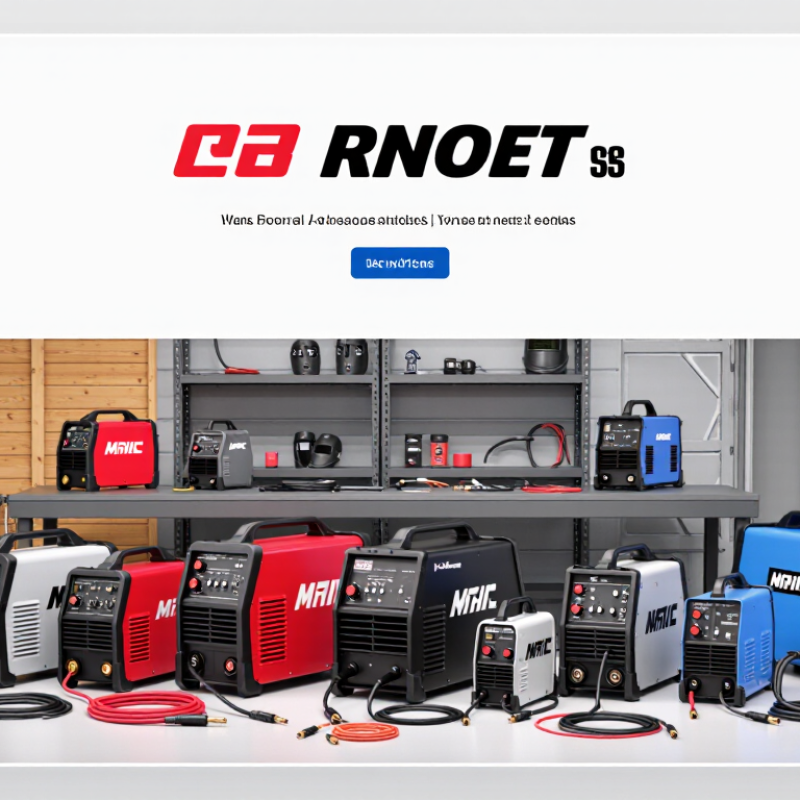
What Is an MMA Welding Machine and How Does It Work?
What Is an MMA Welding Machine and How Does It Work?
An MMA welding machine uses a coated metal electrode to join steel and other conductive metals. MMA means Manual Metal Arc welding, also called stick welding. The machine changes electrical power into a controlled welding current. When the electrode touches the workpiece, an electric arc forms and produces intense heat. This heat melts both the electrode tip and the joint edges.
The electrode coating burns during welding and creates shielding gas around the molten pool. It also forms slag, which protects the cooling weld from air contamination. After the joint cools, the operator removes this slag with a chipping hammer and wire brush. The operator controls travel speed, arc length, and electrode angle by hand. Small changes can create visible differences in bead width and penetration.
For global buyers, input voltage and duty cycle deserve close attention. A machine rated for 220 volts may not suit a 110-volt workshop. A 60% duty cycle at 160 amps means six minutes of welding within ten minutes. Check the electrode diameter range, current adjustment, cable length, and thermal protection. In field use, stable cables and clean metal often matter more than high advertised power. Poor grounding causes unstable arcs.
MMA equipment works well outdoors because wind affects it less than gas-shielded processes. Still, moisture-sensitive electrodes need dry storage. I have found that beginners often choose excessive current, believing it improves penetration. It usually creates spatter, undercut, and unnecessary heat. The better setting depends on metal thickness, electrode type, and joint position. Practice beads reveal more than a specification sheet.
Key Features That Determine MMA Welding Quality and Performance
MMA welding quality depends on stable current, not impressive numbers alone. A reliable machine keeps the arc steady when electrode distance changes. This matters on rusty steel, outdoor repairs, and uneven joints. Hot-start assistance helps ignite difficult electrodes without repeated striking. Arc-force control reduces sticking during short arcs. Anti-stick protection limits current when an electrode freezes.
Duty cycle also deserves careful attention. A compact unit may weld smoothly for several minutes, then require cooling. Check the rated cycle at a stated amperage and ambient temperature. Input-voltage tolerance is important for global buyers using unstable workshop power. Thermal protection should shut the machine down safely, without damaging internal parts. Cable length, electrode-holder quality, grounding clamps, and ventilation affect daily performance. I have seen good welders perform poorly because their cables were too thin. Specifications cannot reveal every practical weakness.
Tips: Match the machine to your common electrode sizes and metal thickness. Test the arc on scrap steel before starting a visible joint. Watch for excessive spatter, uneven penetration, or a wandering arc. Keep vents clear and inspect connections regularly. A higher maximum amperage is not always better. It may add weight, cost, and unused capacity. Consider service access and replacement parts before purchase. I would also leave room for error; real job sites rarely stay ideal.
How to Choose the Right MMA Welder for Different Applications
10 Best MMA Welding Machines for Global Buyers
Choosing an MMA welder starts with the application, not the highest amperage number. For repair work, 160–200 amps usually handles common mild-steel electrodes. Farm gates, pipelines, and structural repairs may need 250 amps or more. Check duty cycle carefully. A machine rated at 60% duty cycle can weld for six minutes within ten minutes. Higher output is not always better.
The U.S. Bureau of Labor Statistics projects 2% welder employment growth from 2023 to 2033. It also expects about 45,000 annual openings. This supports the need for reliable, easy-to-control equipment. For field work, choose a compact unit with stable arc control, hot start, and anti-stick functions. For workshops, prioritize higher duty cycles, thermal protection, and compatibility with local input voltage. IEC 60974-1 provides a useful safety reference for arc-welding equipment. I have seen buyers overlook cable quality. That mistake creates voltage loss and unstable arcs. Small details matter.
Tips: Match the electrode to the metal thickness. E6013 suits general fabrication, while low-hydrogen electrodes demand dry storage. Confirm generator compatibility before outdoor use. Test the ground clamp first. Do not guess. Keep spare electrodes sealed, and inspect ventilation around the work area. A machine can look powerful on paper, yet perform poorly under heat. Recheck the datasheet before ordering.
Safety, Maintenance, and International Buying Considerations
For global buyers, safety starts before an MMA welding machine reaches the workshop. Check the input voltage, frequency, plug type, and grounding requirements carefully. A machine designed for 230V may fail on a 110V circuit. That mistake can damage equipment and injure operators. Use a properly rated helmet, dry gloves, flame-resistant clothing, and covered safety boots. Keep ventilation active, especially when welding coated or painted steel. Remove fuel, cardboard, and other flammable materials from the work area. Small sparks travel farther than expected.
Maintenance should be practical and regular. Inspect electrode holders, cables, and connectors before every shift. Replace cracked insulation immediately. Dust can block cooling vents and shorten the service life of internal components. Clean the fan area with dry, controlled air. Do not open the housing unless qualified personnel can isolate stored electrical energy. After use, store the machine away from moisture. It sounds simple. It is often missed.
International purchasing requires more than comparing output amperage. Confirm the duty cycle using the same testing standard and ambient temperature. Request clear manuals, wiring diagrams, conformity documents, and spare-part information. Check whether local technicians can service the unit. Warranty support may be slow across borders, and shipping a heavy machine can become expensive. I have seen buyers overlook regional power differences and underestimate customs delays. A pre-shipment inspection helps, although it cannot replace careful installation. Leave room for human error when selecting cables, generators, and protective devices.