10 Best Carburetor Cleaners for Global Buyers

Carburetor Cleaner remains a practical maintenance product for workshops, farmers, motorcycle owners, and classic-car enthusiasts worldwide. Deposits can appear as dark varnish around throttle plates, sticky residue inside float bowls, or a rough idle after seasonal storage. Buyers need more than a powerful spray. They need verified material compatibility, clear safety instructions, consistent pressure, and reliable cleaning performance.

Industry data supports careful product selection. Grand View Research’s automotive aftermarket analysis identifies maintenance chemicals as an established replacement category. Fortune Business Insights also reports continued growth in global automotive aftermarket spending, supported by longer vehicle ownership and repair activity. These reports do not measure Carburetor Cleaner alone. That limitation matters. Market figures are often broader than the product itself.

Automotive writer and ASE-certified technician Larry Carley offers a useful maintenance warning: “The right cleaner must remove deposits without damaging sensitive components.” His point reflects workshop experience. Rubber seals, plastic linkages, painted surfaces, and oxygen sensors may react differently to strong solvents. One spray cannot fit every engine.

This guide compares ten products for global buyers. It examines cleaning strength, nozzle control, residue, evaporation, packaging, documentation, and regional availability. Safety Data Sheets receive special attention. So do user reviews, although reviews can be inconsistent and difficult to verify. Some products promise dramatic results. Real performance may depend on deposit age, temperature, and application technique. Buyers should test cautiously, ventilate the work area, and follow local chemical-handling requirements. Reliability begins with realistic expectations.
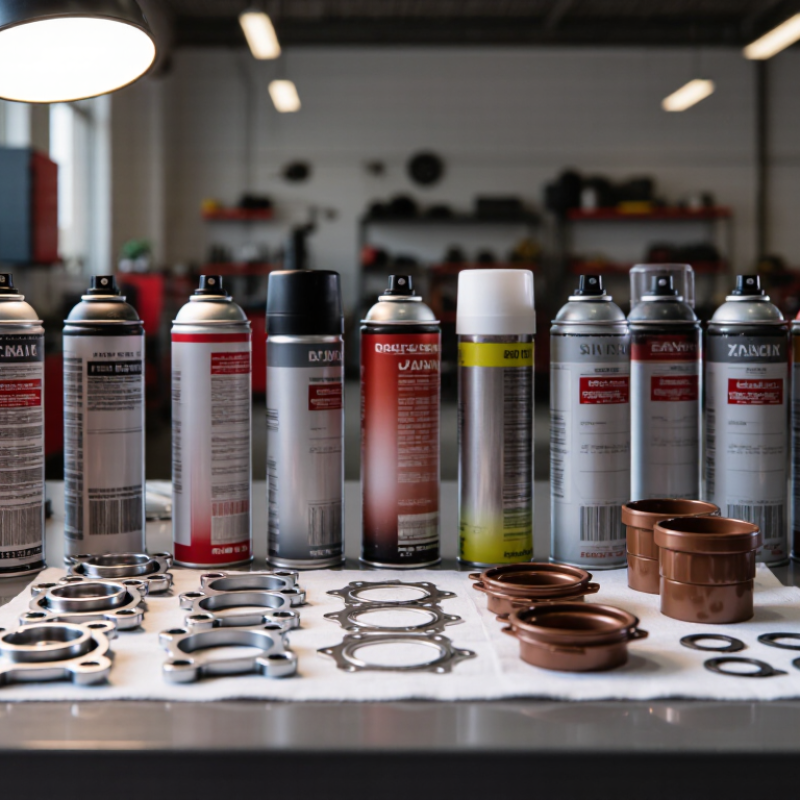
10 Best Carburetor Cleaners for Global Buyers

What Carburetor Cleaners Do and Why Global Buyers Need Them

Carburetor cleaners remove varnish, fuel residue, carbon deposits, and fine dust from carburetor passages. These deposits can restrict fuel flow and cause hard starting, rough idling, or uneven acceleration. Effective formulas loosen contamination quickly, helping restore airflow and fuel delivery without replacing a serviceable component.

Global buyers need more than cleaning power. They must check compatibility with aluminum, rubber seals, plastic parts, and painted surfaces. Local fuel quality, storage conditions, and climate can change residue buildup. Humid regions may also increase corrosion risks. Always review the safety data sheet, ventilation requirements, transport rules, and language on the label before purchasing.

Small details matter.

A suitable cleaner should provide controlled spray, clear instructions, and consistent performance across routine maintenance tasks. Aerosol pressure, nozzle design, and drying speed affect practical results. However, cleaner cannot repair worn jets, damaged gaskets, or incorrect adjustments. This is where many buyers expect too much. A careful inspection should follow every cleaning job. Test the engine only after the solvent has fully evaporated, and keep ignition sources away during use. Product claims deserve verification through technical documents, user feedback, and supplier support. The cheapest option may create extra work if it attacks sensitive materials or leaves residue.

Key Features for Comparing Carburetor Cleaning Products

For global buyers, carburetor cleaner selection should begin with measurable performance, not aggressive marketing. Compare solvent strength, evaporation speed, residue, and spray control. A fast-drying formula can save workshop time, but excessive evaporation may reduce cleaning coverage. The U.S. Environmental Protection Agency identifies volatile organic compounds as contributors to ground-level ozone formation, so buyers should review VOC information and local requirements. Check the safety data sheet carefully. It should state flash point, ventilation needs, storage limits, and first-aid measures.

Material compatibility matters just as much. A cleaner that removes fuel varnish may also damage rubber seals, painted surfaces, plastics, or protective coatings. ASTM International standards provide useful testing principles for fuels, solvents, and material exposure, although they do not replace product-specific testing. Spray pattern is another practical feature. A narrow jet reaches small passages, while a wider spray covers throttle plates more evenly. Residue-free drying sounds ideal, but laboratory wording can differ from workshop results.

The National Fire Protection Association’s flammable-liquid guidance highlights the importance of flash-point classification and safe storage. Global buyers should compare container quality, valve reliability, multilingual labeling, and transport documentation. Test a small hidden area first. Always. I would also record cleaning time, odor persistence, and surface changes after 24 hours. This approach is less convenient than trusting a ranking, yet rankings often ignore climate, storage conditions, and engine materials. No product wins every situation. That remains an inconvenient, but useful, fact.

Ten Leading Carburetor Cleaners Across Different Use Cases

10 Best Carburetor Cleaners for Global Buyers

Ten Leading Carburetor Cleaners Across Different Use Cases

Global demand favors practical maintenance products. Grand View Research valued the worldwide automotive aftermarket at about USD 475 billion in 2023. Its report also projects steady growth through 2030. That expansion supports wider demand for reliable carburetor cleaning solutions. Buyers should still check local VOC rules and the product’s safety data sheet. Regulations differ between countries and product categories.

Ten leading cleaner types serve different workshop needs. Aerosol solvent works for quick roadside deposits. A liquid dip cleaner suits removable metal parts. Water-based formulas reduce harsh odor during routine servicing. Low-VOC cleaners support enclosed garages. Ultrasonic-safe concentrates help professional restoration shops. Plastic-safe formulas protect floats, seals, and nearby fittings. Aluminum-compatible cleaners reduce staining on soft metal. Heavy-carbon formulas target baked deposits inside passages. Precision-straw sprays reach narrow jets. Bulk workshop cleaners lower packaging waste and operating cost.

A visible throttle plate should turn cleanly after treatment. Residue should not leave a sticky film. Experience matters here. I once over-cleaned a fragile gasket and created extra repair work. That mistake changed my buying checklist. I now compare solvent strength, material compatibility, flash point, and drying time. OSHA hazard communication guidance supports this approach through standardized SDS information. Still, some technical sheets are vague. Buyers should question unclear claims, test a hidden area, and avoid assuming “universal” means harmless.

10 Best Carburetor Cleaners for Global Buyers - Ten Leading Carburetor Cleaners Across Different Use Cases
Rank Cleaner Profile Typical Format Main Cleaning Chemistry Best Use Case Residue Behavior Material Compatibility Key Buying Considerations
1 Fast-Drying Non-Chlorinated Aerosol Aerosol spray with directional straw Volatile organic solvents such as acetone, heptane, alcohols, or aromatic solvents Routine cleaning of carburetor throats, jets, linkages, and external deposits Usually evaporates quickly and leaves little visible residue Generally suitable for bare metal; test painted surfaces, plastics, rubber, and diaphragms first Good general-purpose choice; check local rules for volatile organic compound emissions and flammability labeling
2 Chlorinated Heavy-Duty Cleaner Aerosol spray or refill solvent Chlorinated solvents, commonly based on compounds such as tetrachloroethylene or methylene chloride Stubborn varnish, baked-on fuel residue, and heavy workshop contamination Typically very low residue after evaporation Effective on metal, but may damage some plastics, elastomers, coatings, and painted surfaces Review restrictions carefully; avoid heat, welding, and poorly ventilated areas because hazardous decomposition products may form
3 Low-Odor Non-Chlorinated Formula Aerosol can or trigger spray bottle Lower-odor aliphatic hydrocarbons, alcohols, and other non-chlorinated solvents Indoor workshops and regular maintenance where odor control is important Normally dries without an oily film when used as directed Metal-friendly; compatibility with plastics, seals, and coatings varies by solvent blend Compare the safety data sheet, flash point, ventilation requirements, and evaporation rate rather than relying only on odor
4 Throttled-Body and Intake Cleaner Aerosol spray with extension tube Fast-evaporating hydrocarbon and oxygenated solvents Throttle plates, idle-air passages, and external intake deposits on gasoline engines Designed to minimize residue on airflow-related surfaces Use caution around electronic sensors, rubber hoses, coatings, and plastic intake components Choose a formula whose instructions specifically permit use near throttle-body components; do not spray into energized electrical equipment
5 Soak-Tank Carburetor Cleaner Liquid concentrate or ready-to-use immersion bath Alkaline builders, detergents, glycol ethers, and hydrocarbon solvents, depending on formulation Disassembled metal carburetor bodies, bowls, jets, and complex passages May leave a wet surface that requires rinsing and thorough drying Often suitable for steel and aluminum when exposure time is controlled; prolonged soaking can attack zinc, soft metals, finishes, rubber, and plastics Check dilution, immersion time, waste-disposal rules, and whether the formula is approved for aluminum and zinc components
6 Water-Based Low-VOC Cleaner Trigger spray, bulk liquid, or concentrate Water, surfactants, builders, and water-miscible solvents Light-to-medium dirt, dust, oily deposits, and maintenance work where solvent emissions must be reduced Can leave moisture or surfactant residue unless rinsed and dried completely Usually gentler than strong solvent cleaners, but prolonged contact may affect bare steel, zinc coatings, or sensitive electrical parts Useful where workplace VOC limits are strict; corrosion protection and complete drying are important after cleaning
7 Citrus-Based Degreasing Cleaner Ready-to-use spray or concentrated liquid Citrus terpenes such as d-limonene combined with surfactants External grease, oily workshop soil, and preliminary cleaning before detailed carburetor service May leave a fragrant or slightly oily film and usually needs wiping or rinsing Test first on rubber, plastics, painted parts, and decals because citrus solvents can soften or swell some materials Lower odor preference does not mean nonflammable; confirm flash point, rinsing instructions, and storage requirements
8 Precision Jet and Passage Cleaner Fine-spray aerosol or small-volume applicator High-volatility solvent blend intended to penetrate narrow passages Small jets, air bleeds, idle circuits, and precision passages after mechanical disassembly Usually rapid evaporation with minimal residue Suitable for metal passages; avoid forcing solvent through sensitive diaphragms, seals, sensors, or electrical connectors A narrow spray pattern improves control; use soft wire or approved tools separately rather than enlarging calibrated jet openings
9 Commercial Bulk-Solvent Cleaner Metal can, pail, or drum for workshop use Concentrated hydrocarbon or oxygenated-solvent blend High-volume maintenance operations and repeated cleaning of removed metal parts Depends on formulation; parts may require wiping, rinsing, or air drying Usually intended for metal, but material compatibility must be confirmed before processing mixed assemblies Evaluate bulk packaging, transport classification, fire-storage requirements, worker exposure limits, and disposal costs
10 Aerosol Cleaner with Corrosion-Inhibiting Finish Spray can or pump dispenser Solvent cleaner combined with a light corrosion-inhibiting additive Storage preparation for cleaned metal carburetor parts and workshop equipment Leaves a thin protective film rather than a completely dry surface Appropriate for compatible metal surfaces; the film may be unsuitable for jets, air passages, sensors, or surfaces requiring dry operation Confirm whether the protective film must be removed before assembly or engine operation; avoid confusing it with a fuel-system additive
Selection should be based on the carburetor material, contamination type, required evaporation behavior, ventilation, flash point, local chemical regulations, and the cleaner’s safety data sheet. Always disconnect ignition sources, wear suitable gloves and eye protection, and test the product on an inconspicuous area before treating mixed-material assemblies.

How to Choose the Right Cleaner for Engine Type and Cleaning Task

Choosing a carburetor cleaner begins with the engine, not the label’s strongest claim. Two-stroke engines may need extra care around fuel residue and oil deposits. Four-stroke lawn equipment often requires a cleaner that cuts varnish without harming gaskets. Small marine engines need products compatible with metal, rubber, and painted surfaces. Always check the cleaner’s technical sheet first.

Tips: Match the product to the cleaning task. Use a fast-drying spray for light deposits and external passages. Choose a soak formula for hardened residue and removable metal parts. Test it on an unseen area. Wear gloves and eye protection, and work with strong ventilation. Never spray a running engine or an overheated component.

From practical maintenance work, I have found that aggressive formulas are not automatically better. They can soften plastic floats, dull coatings, or dry sealing materials. A product suitable for aluminum may still damage nearby rubber. Read the instructions twice. I once left a small jet soaking too long and created another problem: its finish changed, and the passage needed careful replacement. This is why experienced buyers compare material compatibility, evaporation time, container size, and disposal guidance. Results also vary with temperature and deposit age. Follow the engine maker’s service instructions and local chemical-handling rules.

The chart uses a practical suitability index from 1 to 5, where 5 indicates strong suitability for the cleaning task. Aerosol cleaners are typically preferred for quick surface and passageway cleaning, soak solutions for heavy varnish and gum, ultrasonic detergents for detailed parts cleaning, and compressed air for final drying rather than chemical removal.

Safe Application, Storage, and International Buying Considerations

Carburetor cleaner needs careful handling because its solvent vapors can irritate skin, eyes, and lungs. I spray only in a well-ventilated area, away from flames, heaters, and running engines. Outdoor use is better, but wind can carry mist toward people or painted surfaces. Wear chemical-resistant gloves and safety glasses. Never test a cleaner on plastic, rubber, wiring, or painted parts without checking compatibility first.

My own mistake was assuming that every formula worked the same way. One cleaner softened a nearby gasket after a short contact. Now I apply a small amount to a cloth or hidden surface first. I also keep the engine completely cool and disconnect suitable power sources before cleaning. Follow the product label and safety data sheet, especially for exposure limits and first-aid instructions.

International buyers should request the safety data sheet, technical specifications, batch details, and expiry information before ordering. Aerosol products may face different shipping, customs, and storage rules in each country. Confirm the destination’s requirements with the seller and carrier. Do not accept leaking, swollen, or poorly labeled containers. Store sealed cans upright in a cool, dry place, below direct sunlight and away from ignition sources. Keep them inaccessible to children. Used cloths and empty containers may require local hazardous-waste handling, not ordinary household disposal. Packaging can fail during long transport. That risk deserves more attention than a small price difference.