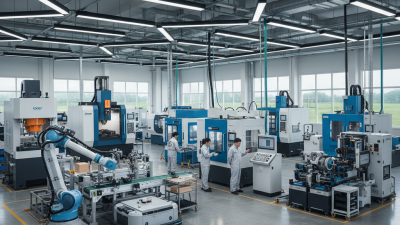
Choosing the best production equipment in 2026 is less about buying the newest machine and more about solving a specific production problem. A fast line can still disappoint if changeovers take too long, maintenance is difficult, or operators need extensive training. The right choice depends on product mix, target volume, available floor space, and the skills of the people who will run it.
Start with the work itself. Measure cycle times, downtime, material waste, and bottlenecks before comparing specifications. Then assess practical details: service access, spare-part availability, energy use, software compatibility, and the supplier’s support record. A machine that fits today’s demand may limit future growth; one built for a much larger operation may consume budget without adding useful capacity. It depends.
Buyers should also test claims against evidence. Request a live demonstration using representative materials, and ask for references from facilities with similar workloads. Compare total ownership costs, not just purchase prices. Include installation, training, maintenance, and expected upgrades in the estimate. Those numbers can be imperfect. Forecasts often are. Still, a transparent estimate is better than a confident guess.
This guide examines production equipment options through those real-world criteria, from automation and flexible machinery to inspection and packaging systems. It will help readers identify trade-offs, ask sharper supplier questions, and match investment to measurable needs. The best choice is rarely universal. It is the one your team can operate reliably, maintain responsibly, and justify with clear production goals.
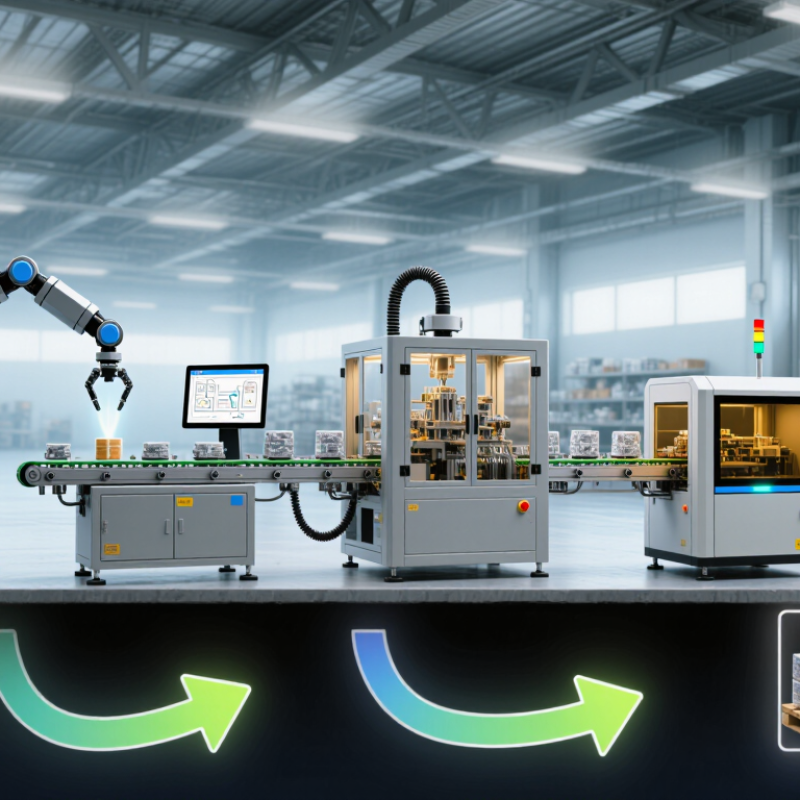
Production equipment is the machinery, tools, and supporting systems used to turn materials into finished goods. It can include mixers, cutting machines, conveyors, inspection devices, and packaging lines. The term is broad, so a machine’s purpose matters more than its name. In 2026, buyers should classify equipment by the work it performs, not by marketing descriptions.
Common classifications include processing, assembly, material handling, inspection, and packaging equipment. Another useful view is production role: standalone machines, linked production-line systems, and support equipment such as compressors or temperature controls. Equipment can also be manual, semi-automated, or automated. These categories sometimes overlap. A conveyor, for example, may handle materials while forming part of an automated line. The classification is not always neat, and forcing a machine into one box can hide important requirements. Consider the product, output rate, available floor space, operator skills, maintenance access, and compatibility with existing systems before comparing options.
Tips: Write down the task, target output, and material dimensions before requesting quotes. Ask vendors for operating and maintenance requirements, then check them against your actual workflow. Measure the installation area, including clearance for servicing. A quick estimate can miss a constraint.
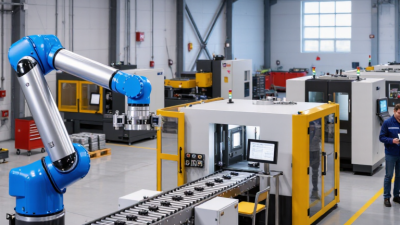
Before choosing production equipment for 2026, define what it must produce, in what quantities, and by when. Use recent order records, not only optimistic forecasts. Separate products by process, size, and changeover needs; a line that handles one steady product may struggle with frequent short runs. Start with evidence. Measure cycle times at the actual workstations, including loading, inspection, cleaning, and routine adjustments. Then compare required output with available production hours, planned shifts, and realistic staffing.
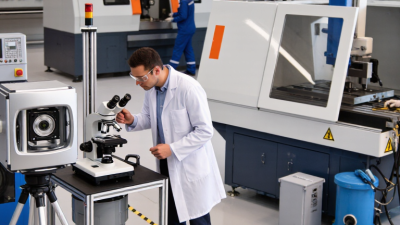
Nominal machine speed can be misleading. Calculate usable capacity after maintenance, changeovers, breaks, and ordinary downtime. A simple spreadsheet can expose the bottleneck: perhaps a filling step runs quickly, but packing takes twice as long. Small details matter. Check floor space, power, ventilation, material flow, and operator access before settling on a machine size. Ask suppliers for test data using your materials and representative products, then confirm what the figures include. Keep some margin for demand spikes, but avoid paying for capacity that may sit idle. Forecasts are imperfect, and so are early measurements. Revisit the numbers after a pilot run, when actual cycle times and product changeovers reveal what the plan missed.
| Equipment type | Best suited for | Indicative nameplate capacity | Example planning output at 75% of nameplate rate | Key capacity checks before buying | Indicative equipment budget (USD) |
|---|---|---|---|---|---|
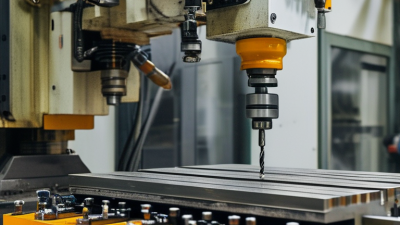
| CNC vertical machining center | Precision milling, drilling, and repeatable machining of metal or plastic parts. | About 1–20 parts per hour; cycle time depends heavily on part geometry, setup, and machining operations. | About 0.75–15 parts per hour. | Confirm cycle time using representative parts; include setup, tool changes, inspection, and operator loading in the estimate. | $80,000–$300,000 per machine; tooling and workholding may be additional. |
| Injection molding press | High-volume production of repeatable thermoplastic components. | Roughly 100–1,000+ parts per hour, depending on cycle time and the number of cavities in the mold. | Roughly 75–750+ parts per hour. | Size the press for mold clamping force and shot volume; check mold cycle, resin drying, cooling, and downstream handling. | $75,000–$350,000 for a press; mold, auxiliaries, and installation are generally additional. |
| Automatic packaging line | Filling, sealing, labeling, or packing products in consistent formats. | About 30–200 packs per minute for suitable configurations and products. | About 22–150 packs per minute. | Check the slowest process step, product and package changeover time, reject rate, and compatibility with existing conveyors. | $50,000–$500,000; line scope, automation, and format flexibility drive the range. |
| Industrial laser cutting system | Cutting sheet materials or components where flexible designs and short changeovers are valuable. | About 20–200 parts per hour for example jobs; material, thickness, cut length, and nesting affect the rate. | About 15–150 parts per hour. | Request a timed test using production material and representative part files; include loading, unloading, and material handling. | $50,000–$300,000 for many standard systems; material handling and specialized configurations can add cost. |
| Robotic palletizing cell | Automating repetitive case or bag stacking at the end of a production line. | About 6–15 cases per minute, depending on case weight, pallet pattern, and cell layout. | About 4.5–11 cases per minute. | Check the required cases per minute, payload, reach, pallet pattern, safety guarding, and time needed to exchange full pallets. | $75,000–$250,000 for a typical cell; conveyors and site integration may be additional. |
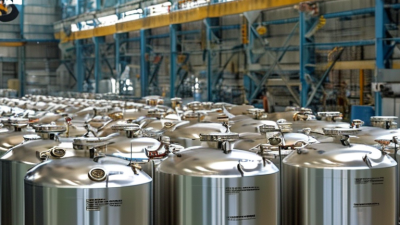
The best production equipment to buy in 2026 depends less on broad industry trends than on the work your facility actually performs. Food processors may need mixers, slicers, or filling machines with accessible surfaces and repeatable portion control. A few test batches can reveal whether a machine handles sticky dough or uneven produce without frequent stops. Packaging lines suit businesses that need consistent sealing, labeling, or case forming. Match their speed to the slowest step in the line, not the most impressive figure on a specification sheet. Downtime is expensive.
Metal fabricators often prioritize cutting, bending, and machining equipment that meets required tolerances. CNC systems can improve repeatability, but operators still need training and dependable maintenance support. Textile producers may focus on industrial sewing, knitting, or cutting machines that handle their fabric weights without damaging edges. In agriculture, sorting, washing, and processing equipment should fit crop type, seasonal volume, and available floor space. Small details matter. Check power requirements, replacement-part access, cleaning time, and noise before committing. A useful comparison includes total operating costs, not just purchase price. I’d leave room for an imperfect reality: staff may use a machine differently from the original workflow plan. A site trial, when possible, can show what a brochure cannot.
Choosing production equipment in 2026 is less about buying the fastest machine and more about matching it to your workload. Compare total cost, including installation, energy, tooling, training, and planned maintenance. A low quote may conceal costly changeovers or frequent part replacement. Ask for cycle-time data under conditions close to yours, not only during a polished demonstration. Track output per shift, scrap, and downtime during a pilot. Small details matter. Six minutes saved per batch may still create a bottleneck elsewhere.
Tips: Request a written cost breakdown, test your most common product sizes, and record setup time. Check warranty limits and spare-part availability before comparing final prices.
Automation should fit the team’s skills and the factory’s existing workflow. Look for clear controls, accessible safety checks, and data that operators can actually use. More automation is not automatically better; complex systems can add training and recovery time. Ask how quickly technicians respond, which parts are stocked nearby, and whether remote diagnostics are available. Speak with current users about ordinary service calls, not just headline performance. One uncomfortable question is worth asking: what happens when the machine stops on a busy Friday? Support quality can decide whether a small fault costs minutes or a full shift.
In 2026, the best production equipment is the equipment that fits your actual process, not the one with the longest feature list. Start by mapping current and expected demand, including peak shifts, changeovers, and the products you may add. Measure floor space, power, ventilation, and material flow before requesting quotations. Measure twice. Ask operators to identify recurring delays and awkward manual tasks; their observations often reveal needs that spreadsheets miss. Set measurable targets, such as units per hour, acceptable reject rates, and planned maintenance time.
Compare the full cost of ownership, not just the purchase price. Include installation, training, tooling, energy use, spare parts, and downtime during commissioning. Check whether the equipment can connect to existing controls and production data systems. Request a trial using representative materials and realistic cycle conditions. A clean demonstration is useful, but it is not proof of reliable performance across a busy shift. Build an implementation plan with a named project lead, operator training, acceptance criteria, and a fallback process. Leave room for surprises; forecasts rarely stay tidy.
Tips: Get written service response times and spare-part lead estimates. Verify safety features with qualified staff. Run a small pilot before full deployment, then record cycle time, defects, and operator feedback. Revisit the numbers after several weeks; your first assumptions may need adjusting.
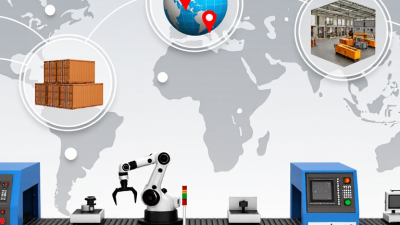
Global industrial robot installations grew substantially from 2020 to 2022 and remained high in 2023. This trend supports evaluating automation equipment for suitable production tasks, but it is not a 2026 forecast. Before buying, compare throughput needs, integration costs, worker safety, service support, and expected payback. Source: International Federation of Robotics, World Robotics 2024.
JK Machinery a.s.
Psohlavců 322/4, Praha 4,
Czechia
T: +420 777 610 380
E: sale@roll-formingmachinery.com